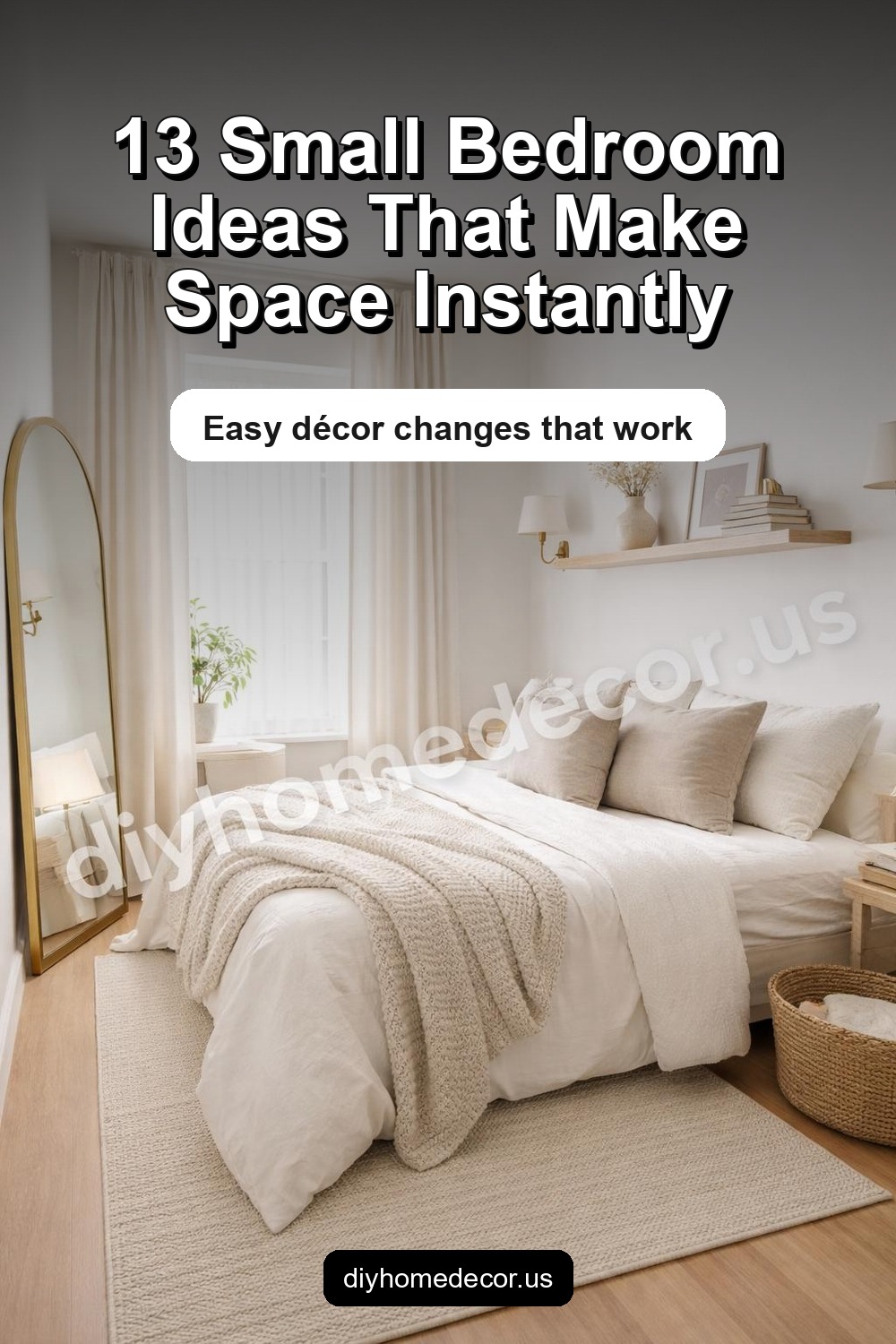
Small bedrooms can start to feel crowded fast. One extra chair, the wrong curtain, or a dark lamp can make the room feel tighter than it really is.
And when that happens, the room usually stops feeling restful. You end up dodging clutter instead of relaxing, which is the opposite of what a bedroom should do.
The good news is you do not need a remodel to fix it. With a few smart décor choices, you can make a small bedroom feel lighter, calmer, and a lot more open.
Start with the floor and work upward
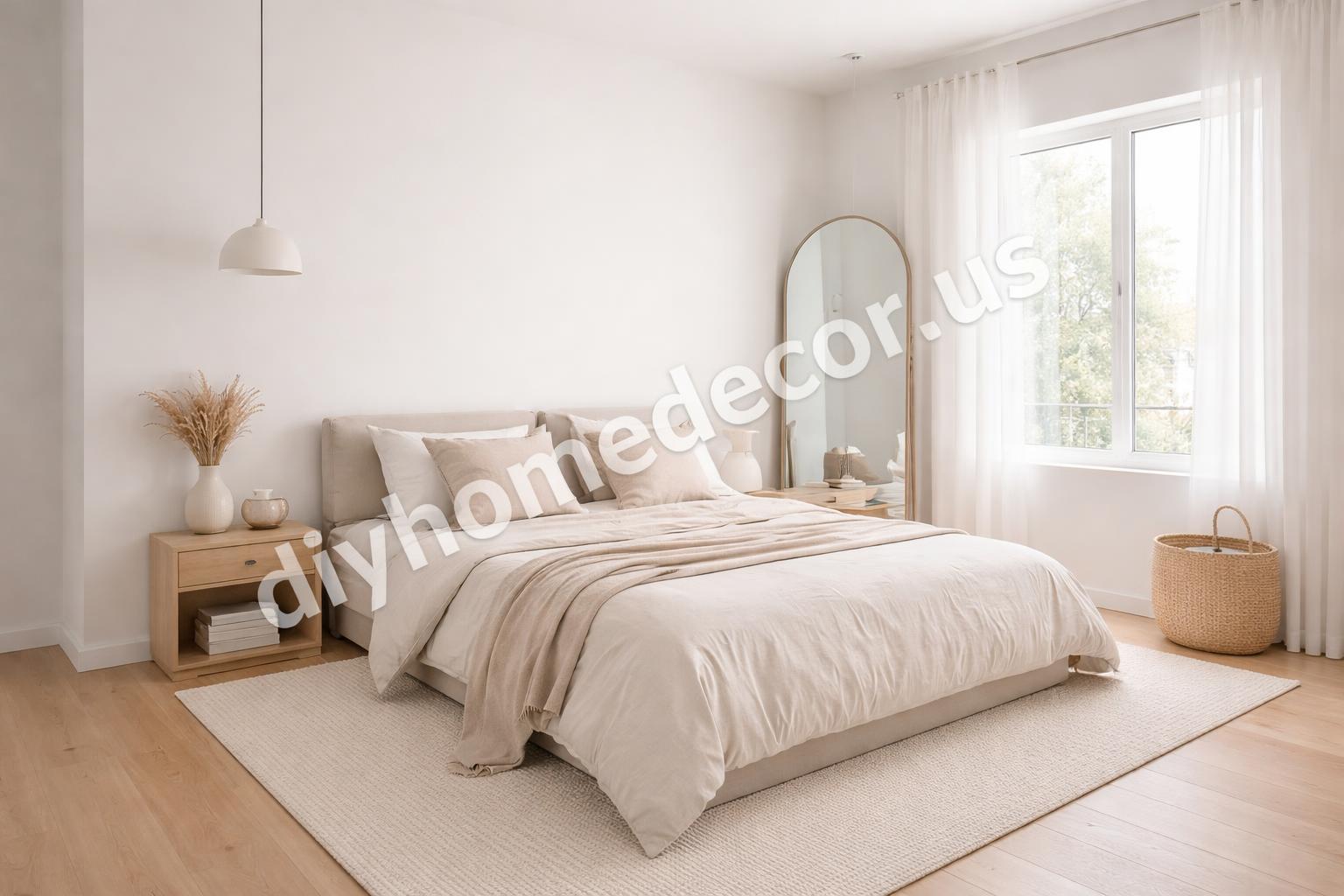
The easiest way to make a small bedroom feel bigger is to keep the floor as open as possible. That sounds obvious, but people fill the floor first when they’re trying to make a room feel finished.
A low-profile bed frame helps a lot here. It gives the room a cleaner line and usually leaves more visible space underneath, which tricks the eye into reading the room as larger.
If you can, skip bulky bench seating at the foot of the bed. In a small room, that one piece can become the thing that throws everything off.
A clear floor does more for spaciousness than most décor trends ever will.
1. Choose a bed frame with visible legs
A bed frame on legs gives the room breathing room. Even if the bed itself takes up the same amount of space, you can see more of the floor, and that makes the room feel less boxed in.
This works especially well in rooms where the bed is the main piece of furniture. I’ve seen people focus on wall décor when the real issue was just a heavy, low bed.
2. Use under-bed storage that disappears visually
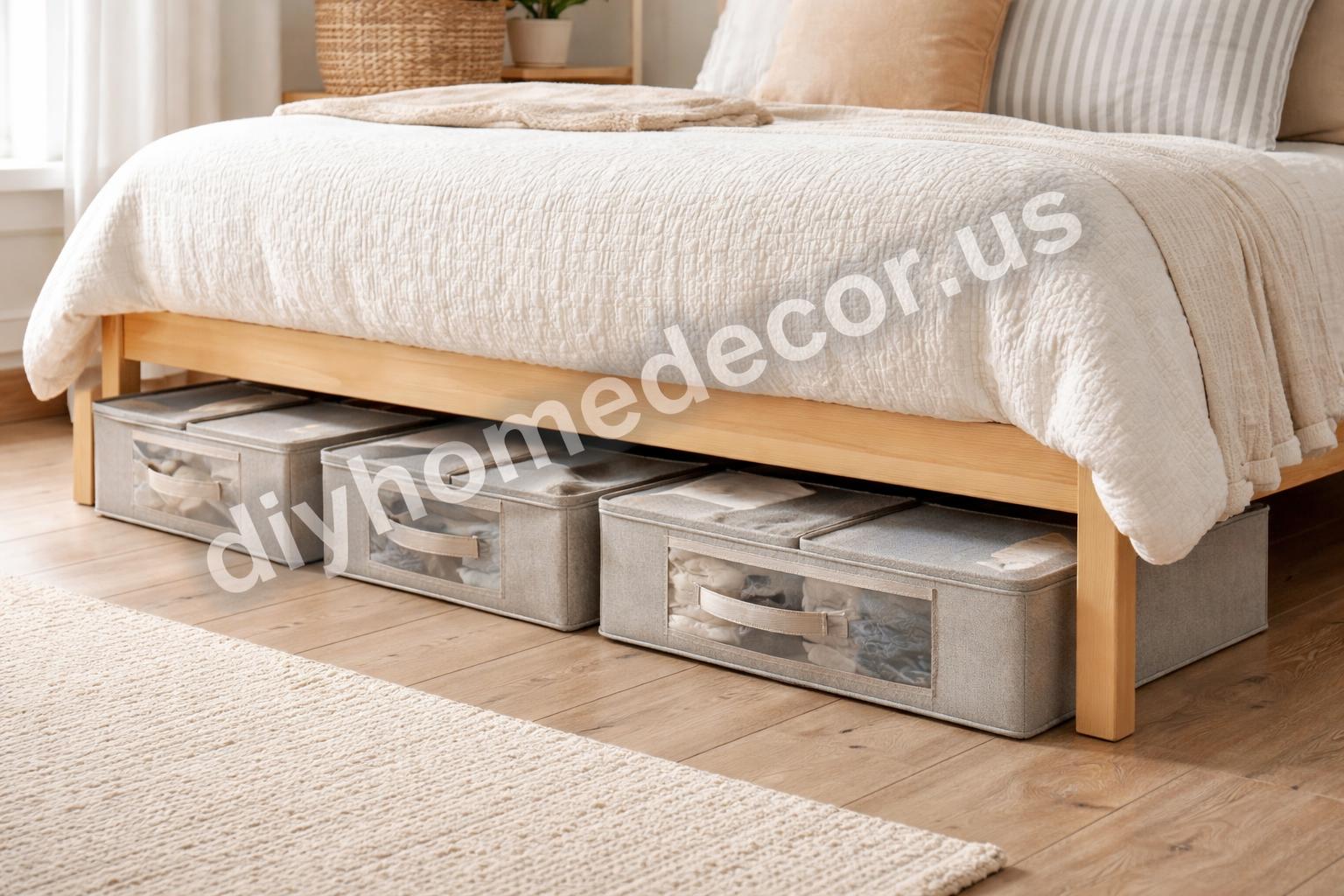
Under-bed storage is practical, but the trick is keeping it neat. Clear bins, matching fabric boxes, or low drawers look better than random containers shoved under there.
If the storage is visible, it still counts as visual clutter. That’s a small detail, but it matters more than people expect.
Keep the wall space doing double duty
When a bedroom is tight, the walls need to work harder. That doesn’t mean covering them with lots of things. It means choosing pieces that help the room function and look better at the same time.
A mirror is the classic example, and for good reason. It bounces light around and creates a sense of depth, which is exactly what a small room needs. The National Association of Home Builders often emphasizes how design choices that improve perceived space can have a big effect on comfort in compact rooms.
But mirrors are just one part of it. Wall-mounted lighting, floating shelves, and simple art all help keep the room from feeling overloaded.
3. Hang one oversized mirror instead of several small ones
A single larger mirror usually works better than a cluster of tiny pieces. Too many small items can make a wall feel busy, and busy is the opposite of spacious.
One large mirror reflects more light and gives the room a cleaner, more intentional look. That’s one of those things I didn’t fully appreciate until I saw the difference side by side.
4. Replace bedside lamps with wall sconces
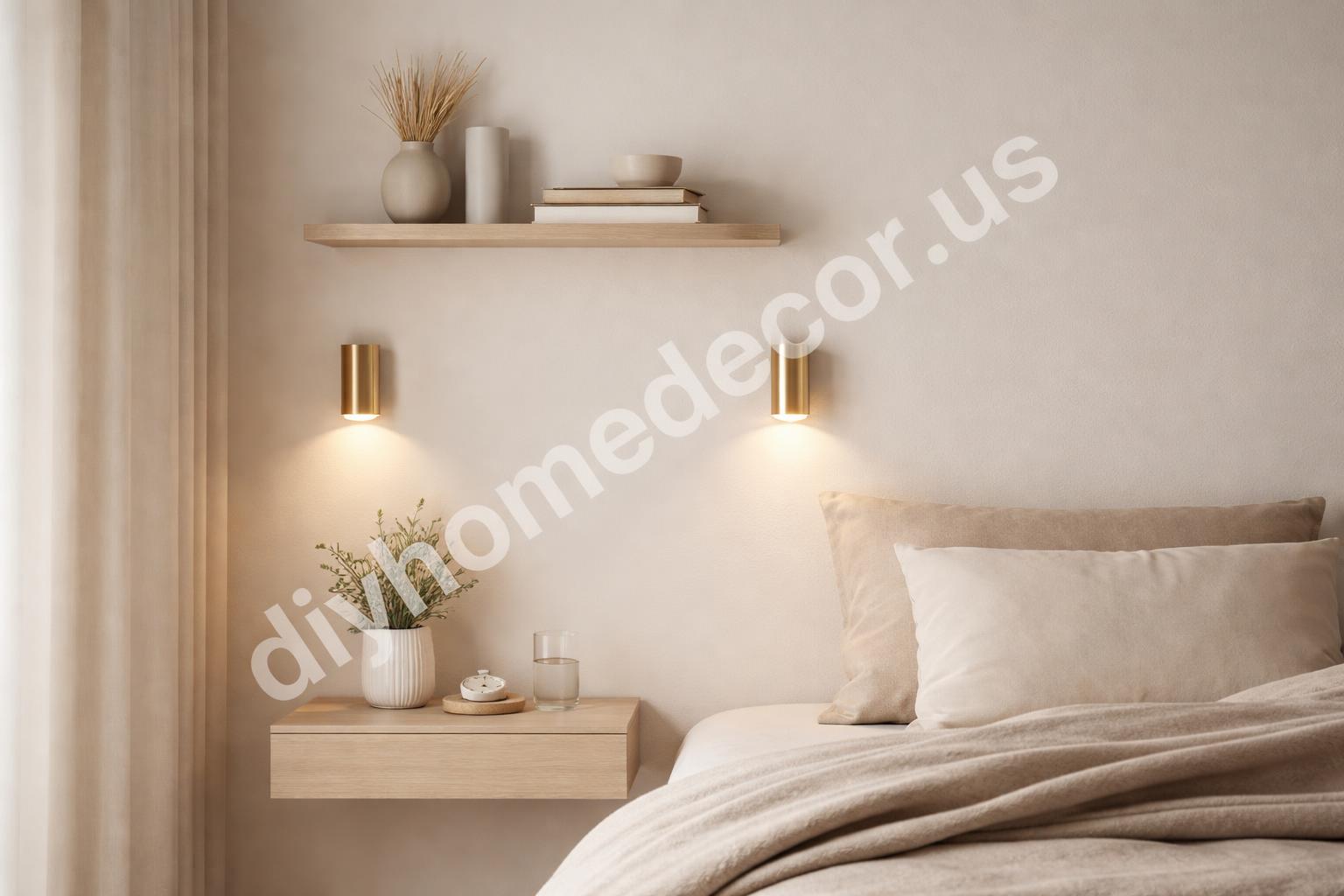
Table lamps are useful, but they take up surface area you may not really have. Wall sconces free up nightstand space and make the setup feel lighter.
They also help keep cords under control, which sounds small, but messy cords make a room feel more crowded than they are. If you’ve ever lived with too many cords, you know exactly what I mean.
5. Use floating shelves only when they stay minimal
Floating shelves can look great in a small bedroom, but they need restraint. One shelf with a few useful objects is helpful. Three shelves loaded with candles, books, and framed quotes is not.
The goal is to give the eye a rest. If every wall is trying to say something, the room starts to feel loud.
Light color, soft texture, less visual noise
Color changes the way a bedroom feels almost instantly. Dark, heavy colors can be beautiful, but in a small room they need balance. Light colors reflect more light and make walls seem farther away.
That does not mean your room has to be plain or boring. It just means you should be careful about how many strong colors and bold patterns you use at once.
For a room this size, calm usually beats busy.
6. Keep bedding in one soft color family
Matching bedding doesn’t have to look stiff. It just helps the room feel more settled. Soft whites, warm grays, pale green, beige, and muted blue all work well in small bedrooms.
You can still add interest with texture. A linen throw, quilted blanket, or knit pillow cover gives the bed depth without making it visually loud.
7. Add one patterned piece, not five
This is where a lot of rooms go wrong. One patterned duvet or one printed rug can give the room personality. Several competing patterns can make it feel smaller.
If you want a simple rule, try this:
- one main pattern
- two or three solid colors
- one textured accent
That keeps things balanced without turning the room into visual clutter.
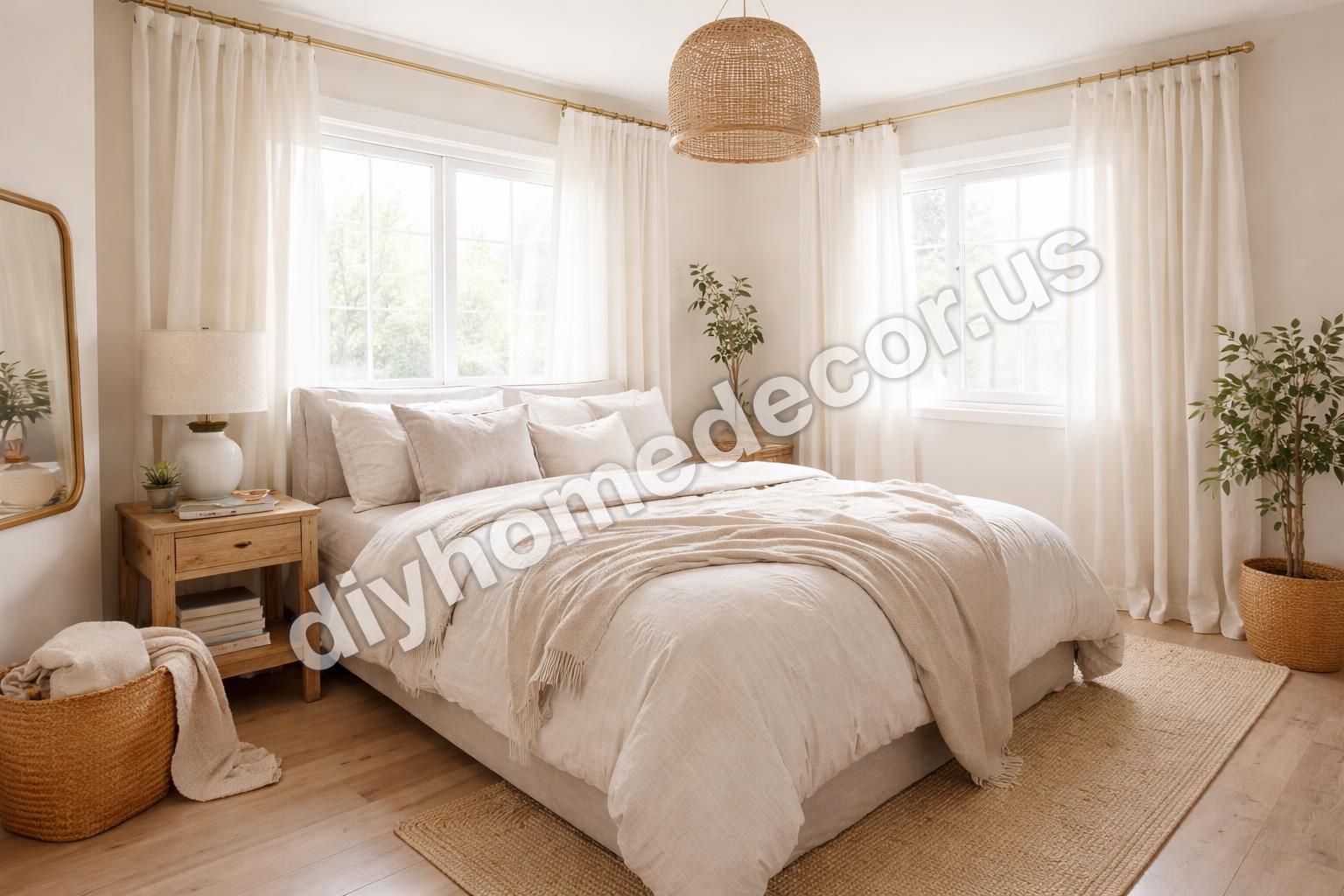
8. Pick curtains that hang high and wide
Curtains can change a room more than people expect. Hanging them close to the ceiling makes the walls look taller, and extending the rod past the window frame makes the window feel wider.
The effect is subtle, but real. And if your bedroom has a small window, this is one of the fastest fixes you can make without buying new furniture.
Make the furniture feel lighter, not larger
Small bedrooms often get crowded because the furniture is too heavy visually, not because it’s too big in inches. A chunky dresser or oversized chair can make the room feel stuffed even if there’s technically enough space to walk around it.
The goal is to choose pieces that look open. Think slim legs, clean lines, and furniture that does one job well.
I’ve also noticed that people often keep furniture just because it fits, even when it doesn’t really help the room. That’s an easy habit to miss.
9. Use one narrow nightstand instead of a bulky pair
A smaller nightstand can still be useful if it’s organized well. In fact, it often works better because it forces you to keep only what you actually need nearby.
A drawer plus a small surface is usually enough. Anything more can start collecting clutter fast.
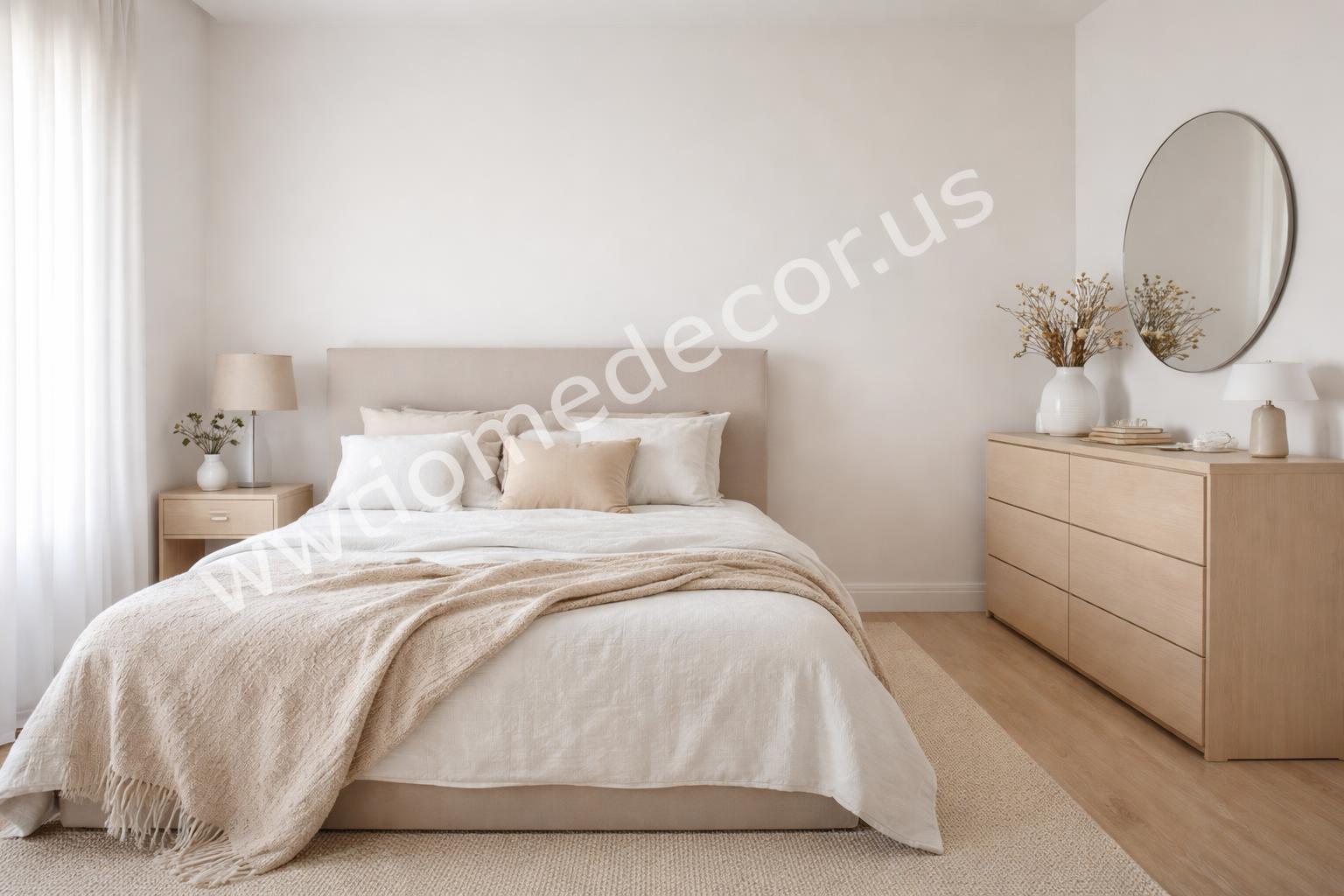
10. Try a dresser that blends into the wall
If the dresser is close in color to the wall, it feels less dominant. This helps the room look more continuous, which is a big deal in small spaces.
You don’t need furniture to disappear completely. You just want it to stop shouting for attention.
11. Keep seating to one compact piece, or skip it
A bedroom chair seems useful until it becomes the place where clothes, bags, and extra pillows land. That’s completely normal, but it’s still visual clutter.
If you really need seating, go with one slim stool or a small armless chair. Otherwise, it’s often better to leave that corner open.
Use décor that gives height and rhythm
A small bedroom feels larger when the eye moves smoothly around the room. That means the décor should create a sense of rhythm instead of chopping the room into pieces.
Vertical lines help with that. So does keeping the top half of the room lighter than the bottom half.
This is also where art placement matters more than people realize. A badly placed print can make the wall feel cramped, even if the art itself is nice.
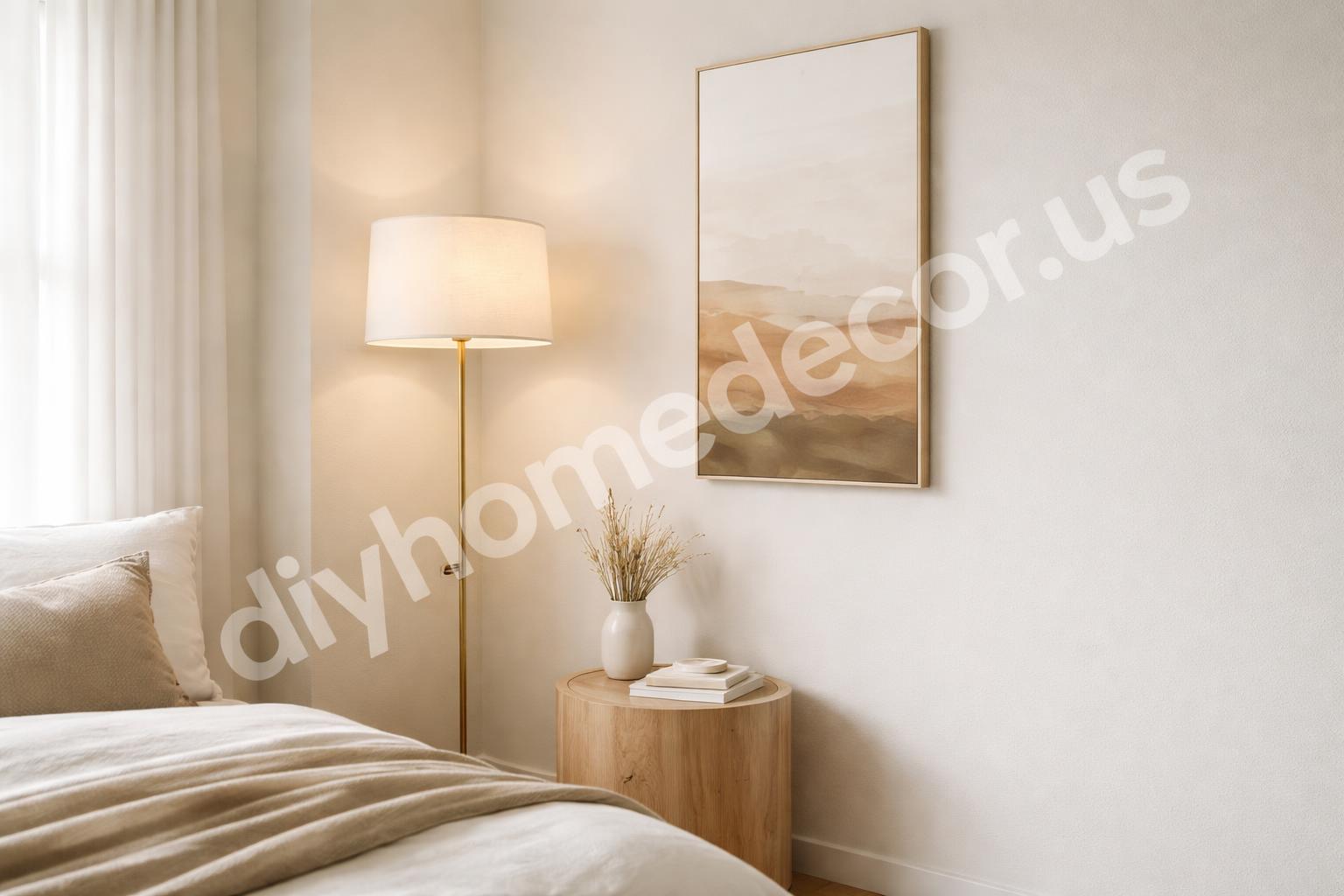
12. Hang art a little higher than you think
Artwork hung too low can make a room feel compressed. Raising it slightly creates more wall space below and makes the ceiling seem taller.
One larger print usually works better than several tiny frames. It gives the room a clear focal point, and a clear focal point helps a small room feel less scattered.
13. Bring in one tall element, not a bunch of small ones
A tall floor lamp, a full-length mirror, or a vertical plant can make a room feel more stretched upward. That vertical line pulls the eye up, which helps the room feel less squat.
The trick is to use just one or two tall pieces. Too many vertical accents can create the same kind of clutter you were trying to avoid.
A few small-bedroom habits make a bigger difference than décor
Décor helps, but the room stays spacious only if the habits match the design. That’s the part people usually overlook.
A tidy room with the wrong furniture still feels off. A simple room with a few smart habits often feels much bigger than it really is.
Quick habits that keep the room open
- Put away anything that doesn’t belong in the bedroom.
- Leave one surface almost empty.
- Fold throws instead of tossing them.
- Keep the bed made most mornings.
- Remove one item if you add another.
That last one matters more than it sounds. A small bedroom can handle a surprising amount, but it can’t handle endless additions.
If you want more ideas that keep a bedroom looking polished without spending much, this roundup of budget bedroom décor ideas that look surprisingly expensive fits right in with this approach. The same goes for softer styling if you want a cozier feel, like the ideas in these romantic bedroom décor ideas for a cozy escape.
What usually makes a small bedroom feel even smaller
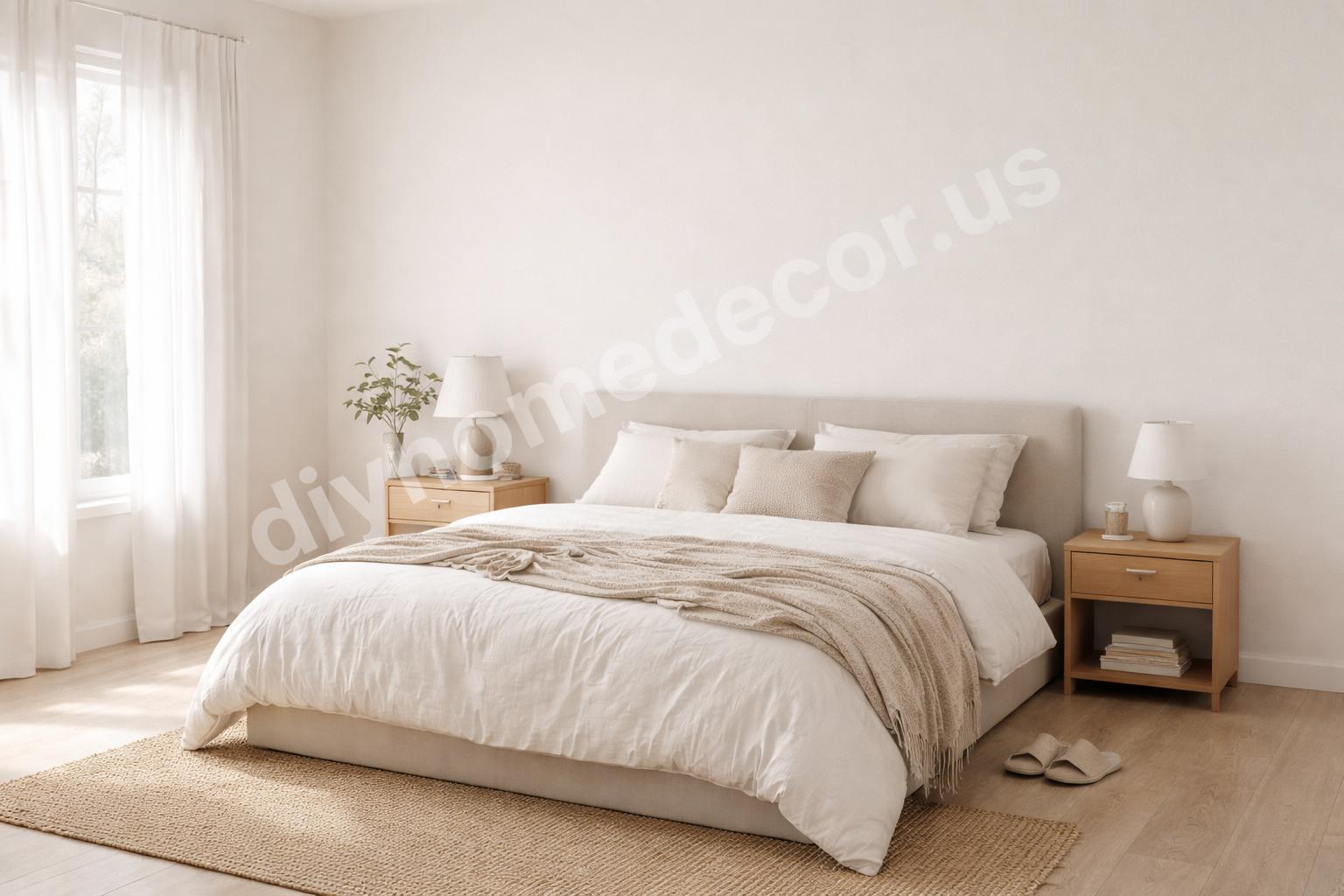
This part is worth saying plainly. A small room doesn’t usually fail because it’s small. It feels smaller because too many choices fight each other.
Heavy curtains with dark bedding and chunky furniture can be fine on their own. Put them all together, and the room starts to close in.
A few common mistakes show up over and over:
- Too many tiny decorations
- Dark pieces on every wall
- No negative space
- Furniture pushed in without a plan
- Storage that’s visible instead of hidden
That last one is sneaky. Open storage can look good in photos, but in real life it often turns into a visual pile.
The best small-bedroom décor doesn’t try to fill every inch. It makes the room feel easier to live in.
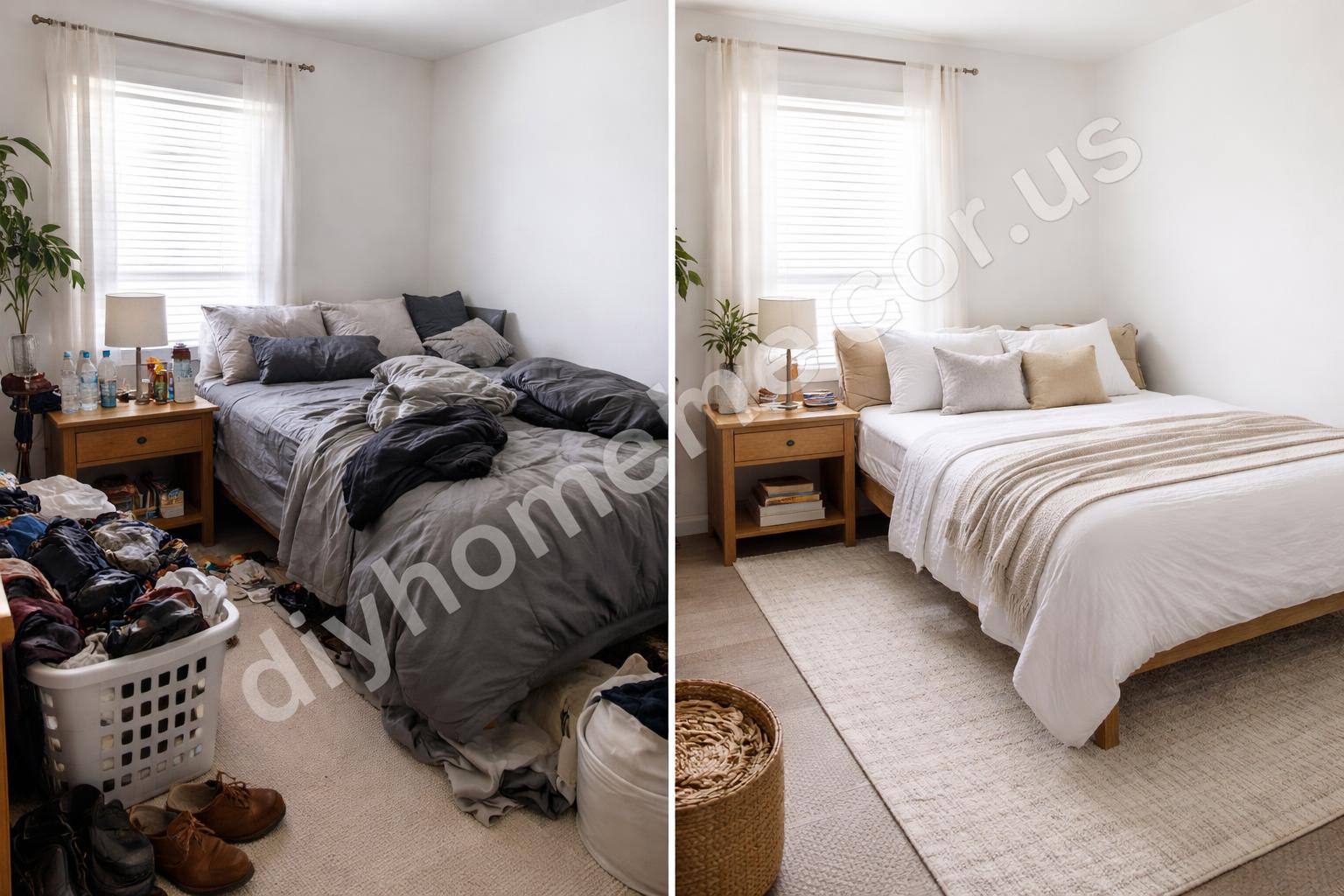
A simple way to pull the whole room together
If you’re starting from scratch, don’t try to fix everything at once. That usually leads to buying too much and making the same problem worse.
Start with the biggest visual items first. Bed, curtains, lighting, and storage usually change the room more than smaller décor pieces.
Here’s the order I’d use:
- Clear the floor.
- Lighten the bedding.
- Replace one bulky lamp or piece of furniture.
- Add a mirror or tall vertical accent.
- Finish with one or two small decorative touches.
That order keeps the room from getting crowded while you’re still working on it. I’ve seen people spend money on wall art before they deal with the bed frame, and the room still feels off afterward.
A better room usually comes from subtraction first, then a few careful additions.
Keep it simple, then stop
Small bedrooms don’t need to look empty, and they definitely don’t need to look bare. They just need room to breathe.
Once the big pieces are light, the surfaces are calmer, and the walls aren’t overloaded, the room starts to do what it should have done all along. It feels easier.
And honestly, that’s the real goal. Not to make the bedroom look bigger for a photo, but to make it feel like a place you can actually relax in.
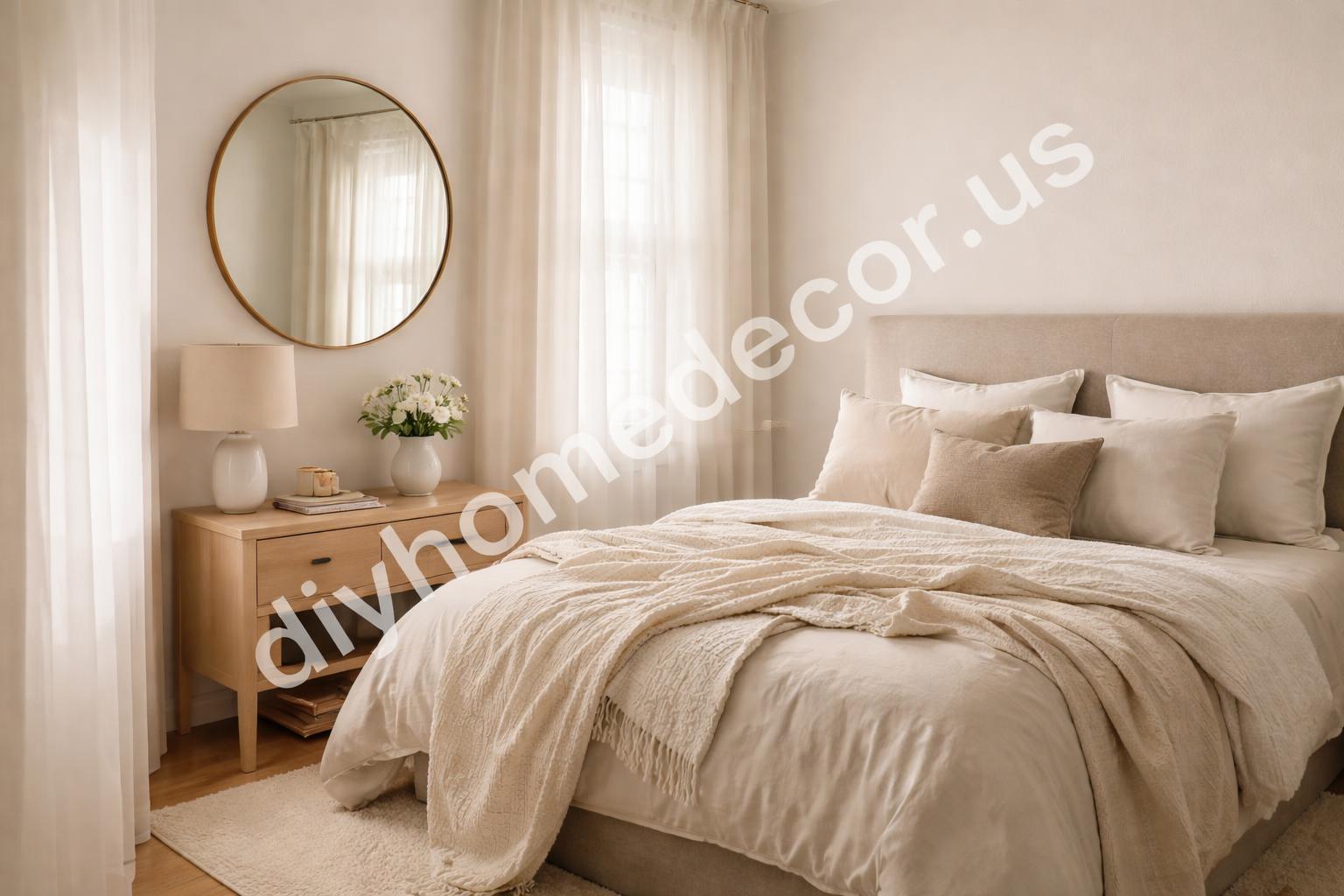
Save This Guide on Pinterest
Save this image to Pinterest so you can easily return to this guide later.