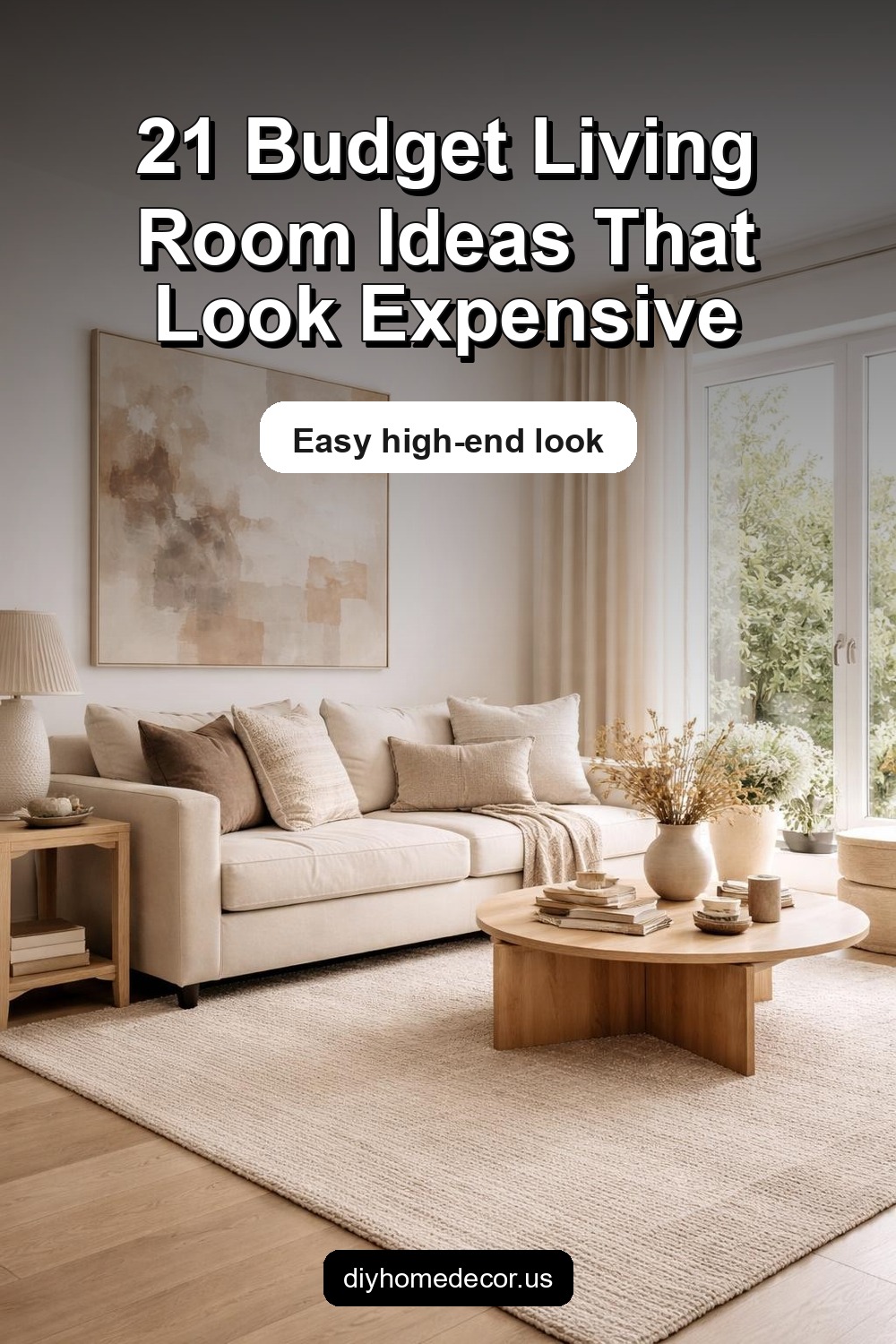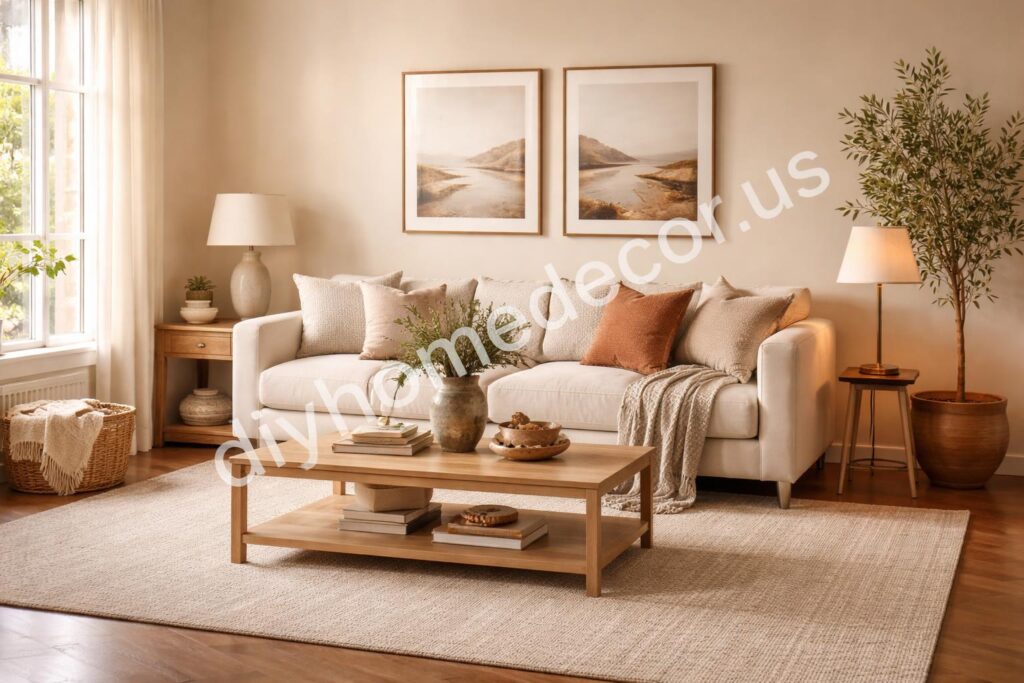
A living room can go from “fine” to “why does this look so pulled together?” with a few smart changes. The tricky part is that cheap-looking decor usually comes from clutter, bad proportions, and too many random finishes, not from the actual price tag.
If you ignore that, you can spend money and still end up with a room that feels off. I’ve seen that happen with perfectly nice pieces that just didn’t belong together. Here are 21 budget-friendly living room decor ideas that make a space look more expensive without pretending you’re furnishing a showroom.
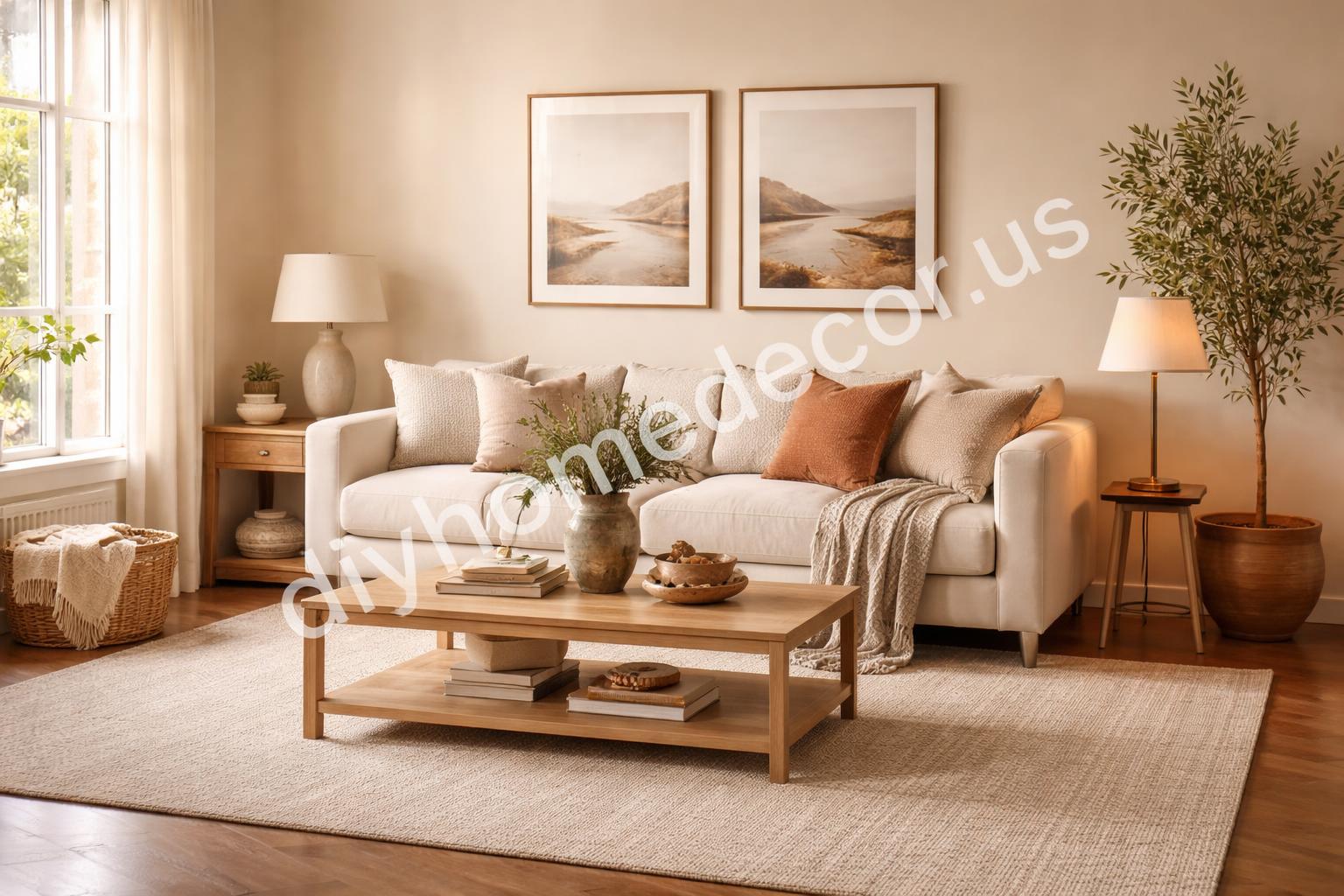
Start With the Big Visual Wins
The fastest way to make a living room look expensive is to stop thinking item by item. Instead, look at the room as one picture. That’s where a lot of people miss the mark.
A room can have nice pillows and still feel unfinished if the curtains are too short or the rug is too tiny. That mismatch is usually what makes a space feel cheaper than it really is.
1. Use a larger rug than you think you need
A too-small rug is one of the most common mistakes. It makes the furniture look like it’s floating, and that instantly feels less polished.
A larger rug anchors the room and makes the whole seating area feel intentional. If you can’t afford a huge one, check for sales on neutral low-pile rugs and compare final cost, shipping, and return policies before you buy.
2. Hang curtains high and wide
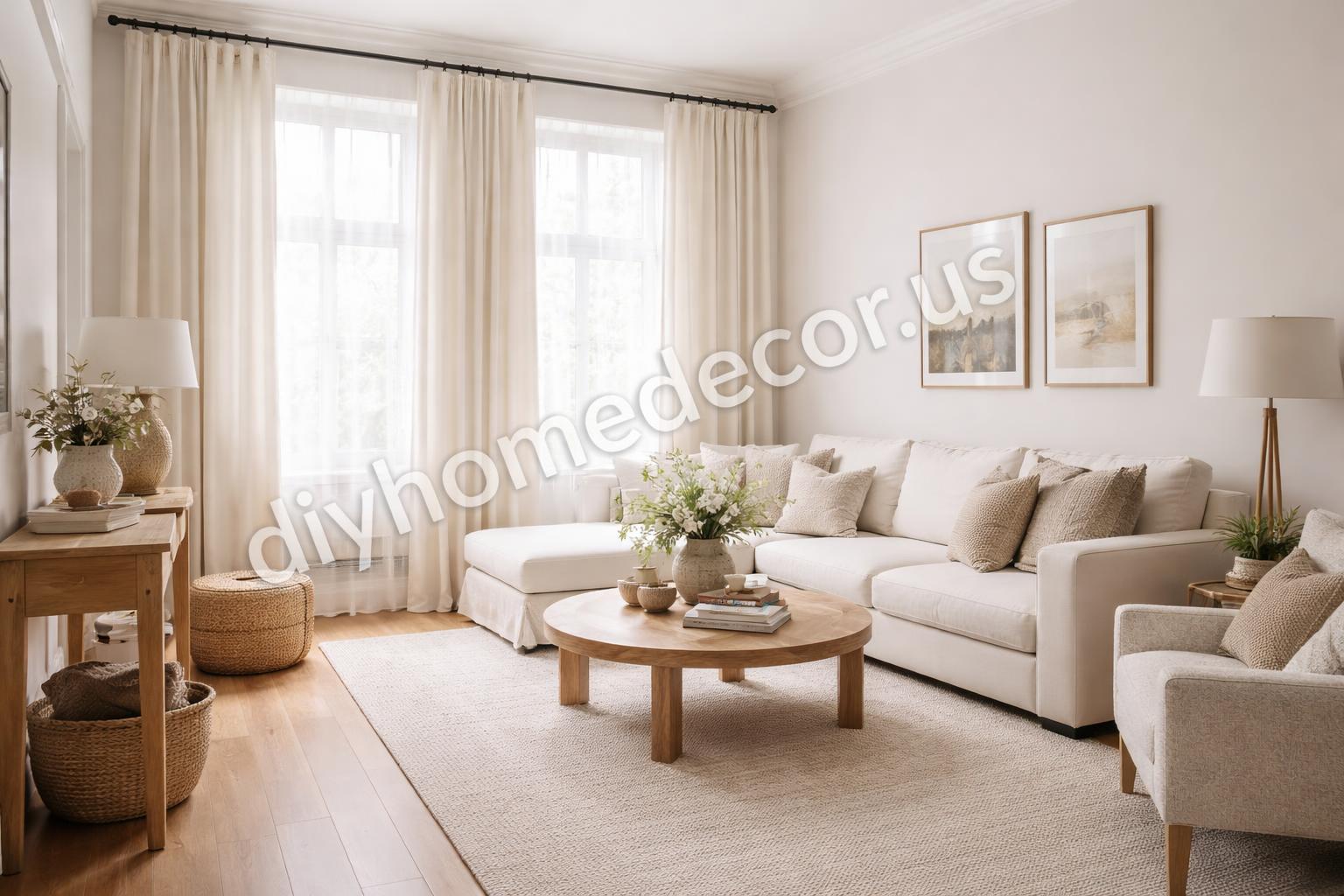
This is such an easy trick, and it changes the room fast. Mounting curtain rods closer to the ceiling makes the walls look taller, which gives the whole room a more expensive feel.
The key is letting the curtains fall almost to the floor. Short curtains can make even a good room look awkward. Long panels always feel more finished.
3. Choose one main metal finish
Mixed metals can work, but in a budget room they often look accidental. If your lamps, frames, and side tables all shout in different directions, the room starts to feel busy.
Pick one main finish, like black, brass, or brushed nickel, and repeat it a few times. Repetition makes budget decor look more deliberate. That’s the whole trick.
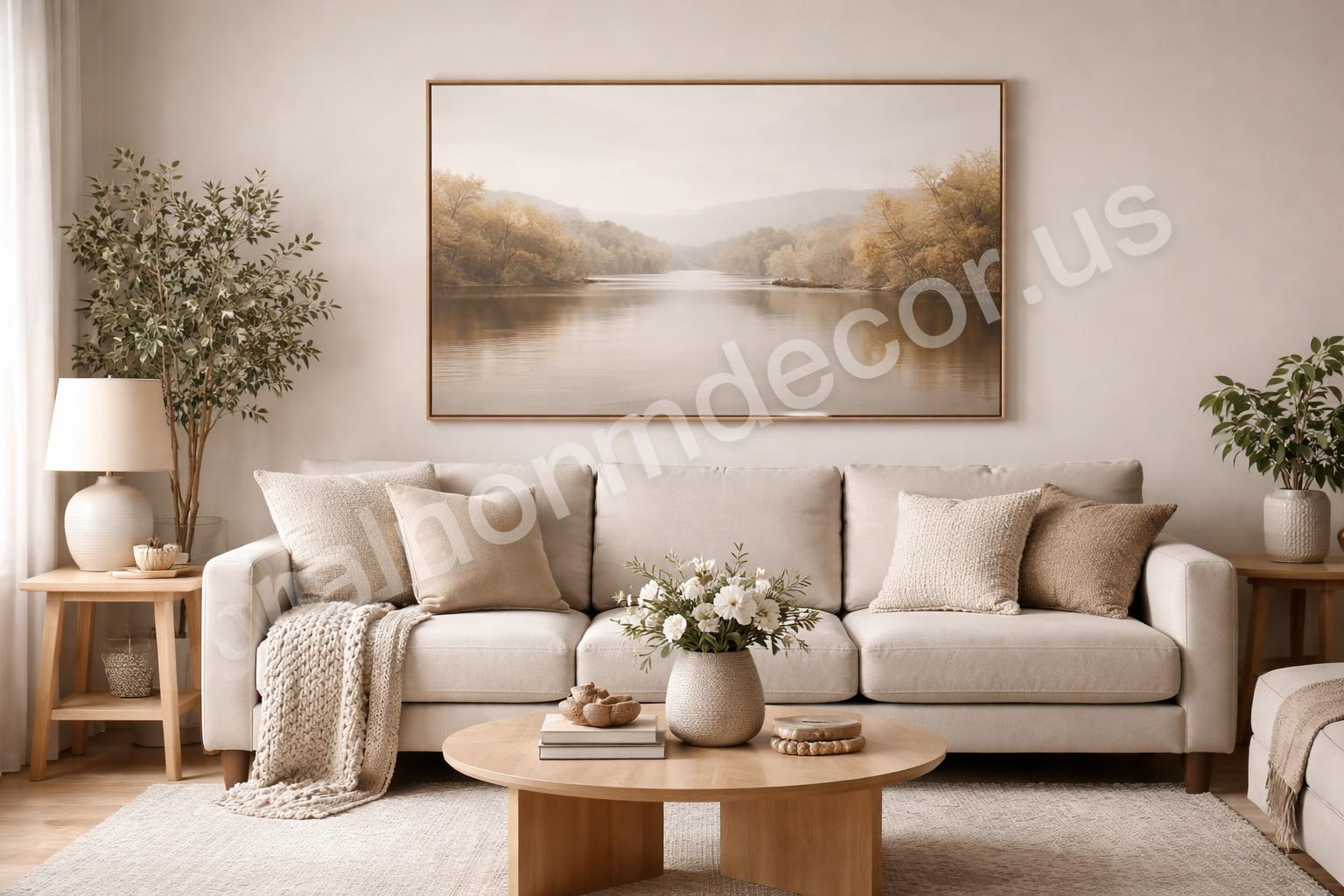
4. Swap small art for fewer, larger pieces
Tiny wall art tends to look scattered unless it’s part of a gallery wall that’s very well planned. One larger framed print or canvas usually looks cleaner and pricier.
I noticed that oversized art does more for a room than a lot of little decor ever will. You don’t need expensive art either. You just need the right scale.
Texture Does More Than Price Ever Will
When a living room feels rich, it’s usually because there’s a mix of texture. Not shiny, not matching, not too flat. Just layered enough to feel lived-in and thoughtful.
This is where budget pieces can really shine. You don’t need luxury brands, just a better mix of materials.
5. Add linen-look or woven pillow covers
Pillow covers are one of the cheapest ways to upgrade a sofa. Look for textured fabrics like linen blends, cotton slub, or subtle boucle instead of overly glossy synthetic covers.
The visual change is bigger than people expect. Smooth, shiny pillows can look a little stiff, while textured ones feel softer and more expensive.
6. Use a throw blanket with some weight
A thin throw tossed on the couch can look like an afterthought. A thicker knit, woven blanket, or even a simple oversized throw folded once feels much more intentional.
Place it neatly over one corner or across the arm of the sofa. I learned the hard way that folded throws usually look better than random draping, especially in small rooms.
7. Mix matte, wood, and soft surfaces
A room that’s all gloss and smooth surfaces can feel cold. A room with wood, fabric, and matte finishes feels calmer and more expensive.
Try pairing a wood tray with a ceramic vase and a soft textile like a pillow or rug. That mix is what gives a room depth without needing much money.
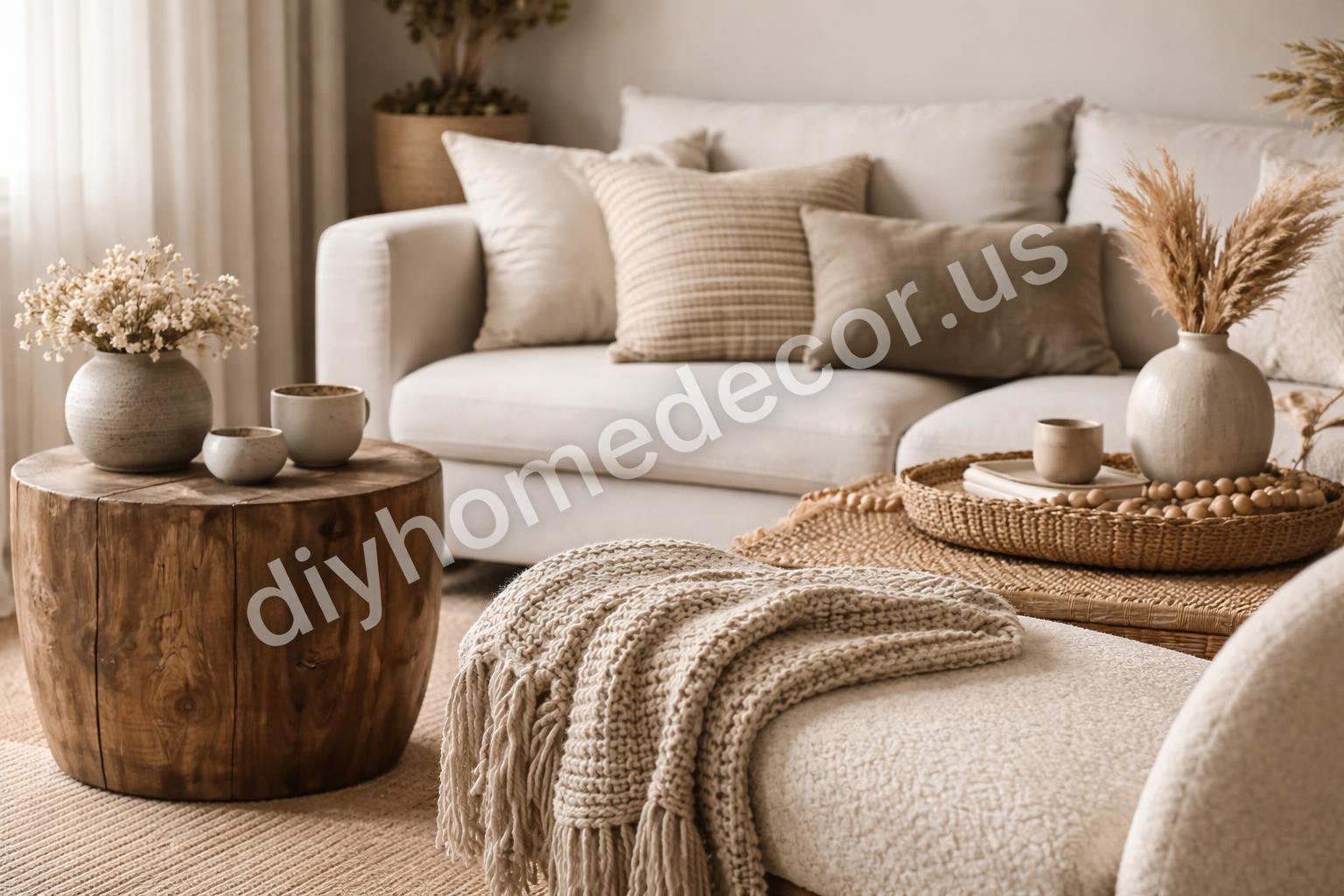
8. Bring in one boucle or sherpa accent
You don’t need a whole sofa in boucle to get the look. A single accent chair, pillow, or ottoman in a cozy textured fabric can make the room feel current and elevated.
Used sparingly, it adds that designer feel. Used everywhere, it can get heavy fast.
Make the Room Look Curated, Not Crowded
A lot of inexpensive living rooms look busy because every surface gets filled. But expensive-looking rooms usually have more breathing room than people realize.
That doesn’t mean empty. It just means edited.
9. Style surfaces in odd numbers
Three items on a coffee table usually looks better than two or four. It feels a little more natural and less forced.
Try a simple formula: one stack of books, one vase, one small tray or candle. That’s enough for most tables. When I over-style a coffee table, the whole room starts to feel messy even if nothing is technically wrong.
10. Leave some space on shelves
Empty space makes everything else look better. If every shelf is packed, the room can feel cheap and cluttered no matter what you paid for the objects.
Keep a few spots open on purpose. That small pause helps the eye rest and makes the things you do display feel more important.
11. Use books as decor, but keep them edited
Books can make a room feel smart and layered, but too many random stacks can turn into visual noise. Stick to a few with covers you don’t mind seeing.
Stack them horizontally, then place a small object on top. It’s simple, but it gives the room that styled look people usually associate with more expensive spaces.
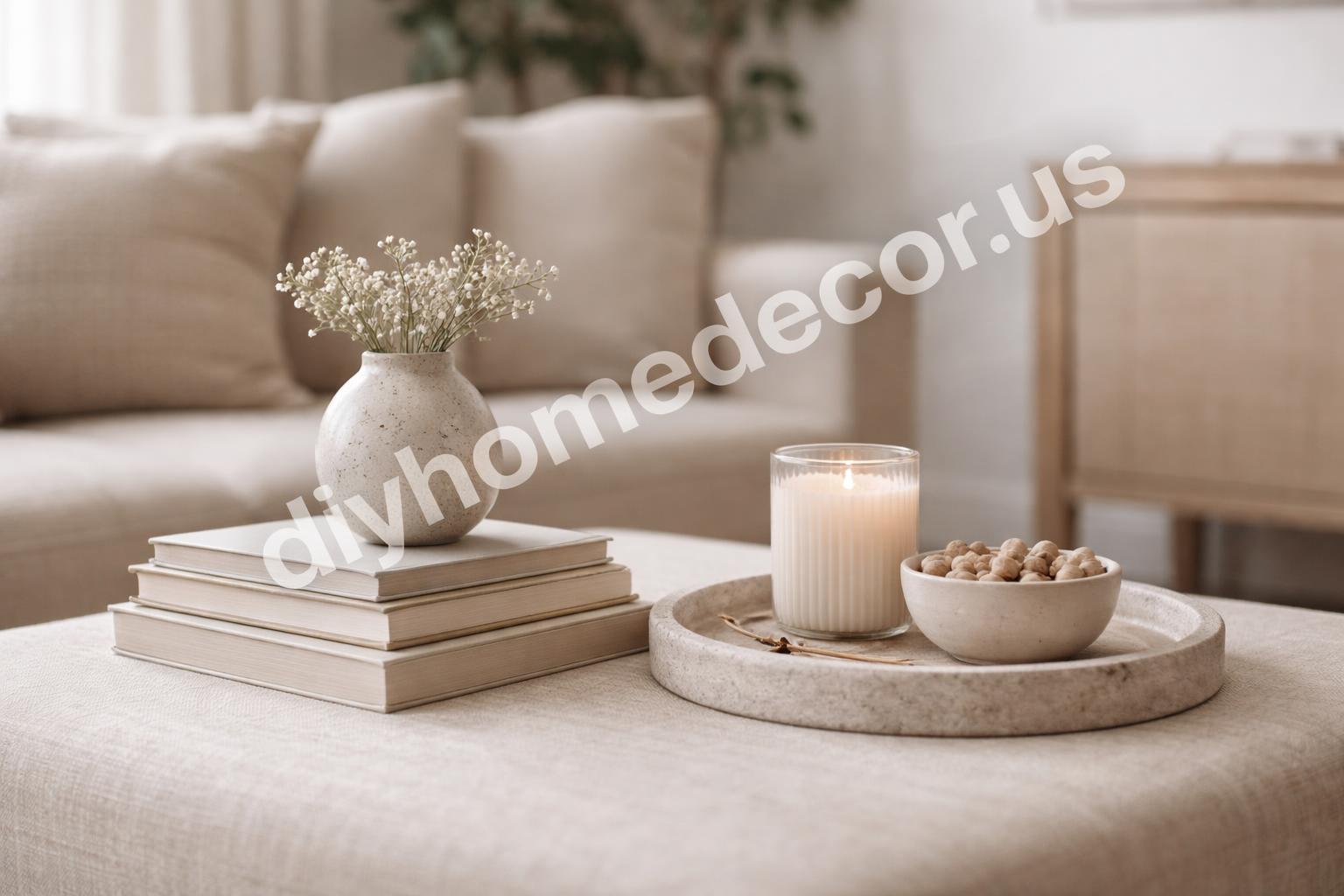
12. Corral small items on trays
Trays make cheap decor look organized. That matters more than most people think.
A candle, remote, small plant, and coaster set look much better when grouped on a tray instead of spread across the table. The same objects feel more intentional.
Lighting Changes Everything
This is one of those areas where people spend money in the wrong place. A decent lamp can do more for the room than a random decorative object ever will.
And lighting doesn’t have to be fancy. It just has to be soft, layered, and warm enough to make the space feel inviting.
13. Use warm bulbs instead of harsh white ones
Harsh light can make even a nice room feel flat. Warm bulbs are softer on the eyes and help textures look better.
If your living room feels a little sterile, this is often the reason. Check bulb temperature before you buy new lamps or lights, because the wrong bulb can make the whole room feel off.
14. Add at least two light sources
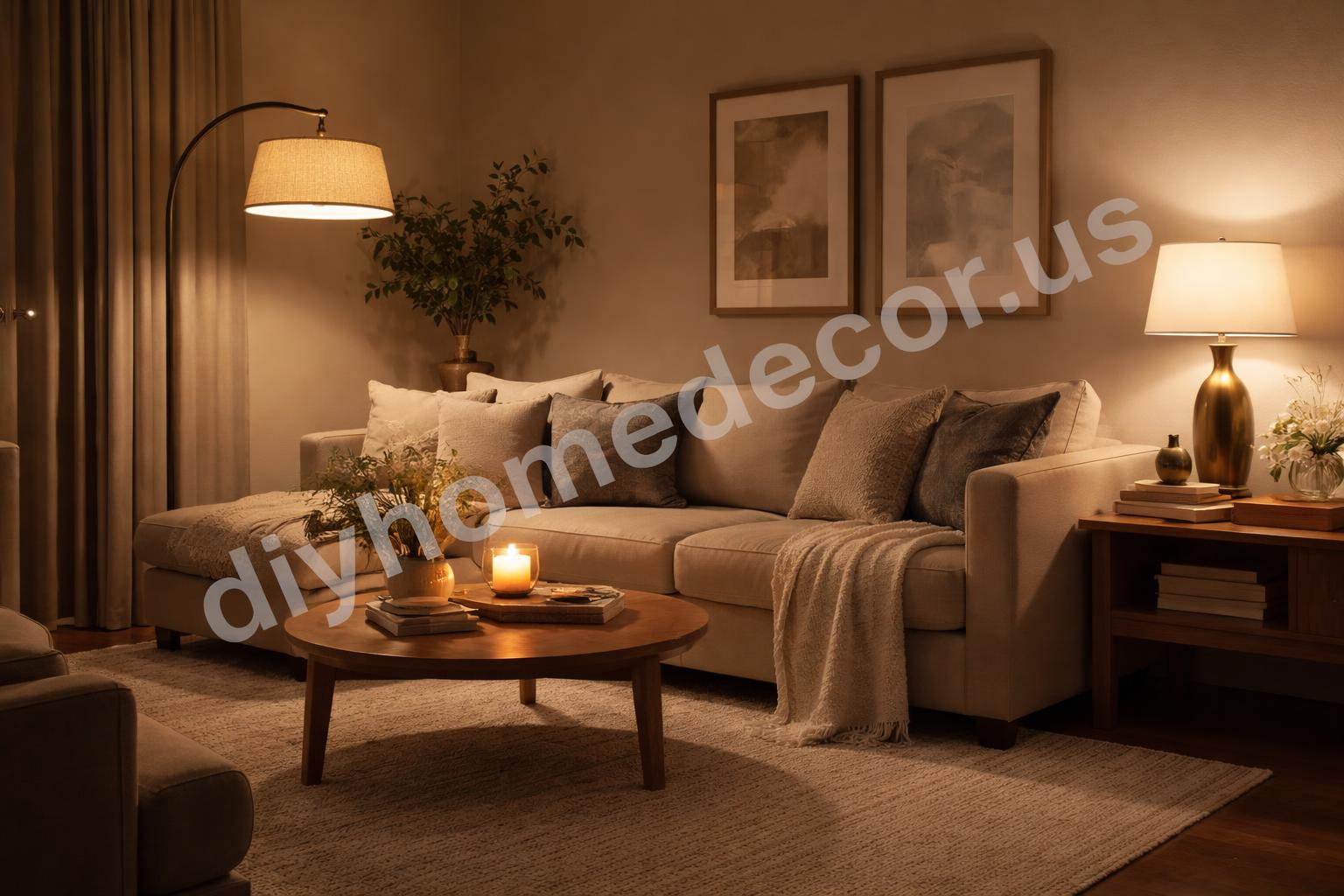
One ceiling light usually isn’t enough. Add a floor lamp, table lamp, or even a small accent lamp so the room has more depth.
Layered lighting makes a room feel designed. It also makes evenings feel calmer, which is a nice side effect that people don’t always expect.
15. Choose lamps with simple shapes
A lamp doesn’t need to be dramatic to look good. In fact, simple shapes often look more expensive because they don’t fight with the rest of the room.
A clean ceramic base, a slim metal stem, or a basic drum shade can all work. Just avoid anything too novelty or overly ornate unless the rest of your room already supports that style.
Wall Decor That Looks Thoughtful, Not Cheap
Walls make a huge difference, especially if your furniture is budget-friendly. The wrong wall decor can expose every other weak spot in the room.
The good news is that wall upgrades don’t need to be expensive. They just need to feel selected, not random.
16. Lean framed art on a console or mantel
Not every piece needs to be hung. Leaning art on a shelf, console, or mantel can make the room feel more relaxed and layered.
It also helps if you’re renting or hate measuring. A large frame leaned behind smaller decor creates depth without the commitment of wall anchors.
17. Use mirrors to bounce light
Mirrors are classic for a reason. They reflect light, open the room visually, and make narrow spaces feel less boxed in.
Place one where it catches natural light or reflects a nice part of the room. The National Center for Healthy Housing’s home comfort guidance isn’t about decor specifically, but it’s a good reminder that lighting and room comfort work together more than people think.
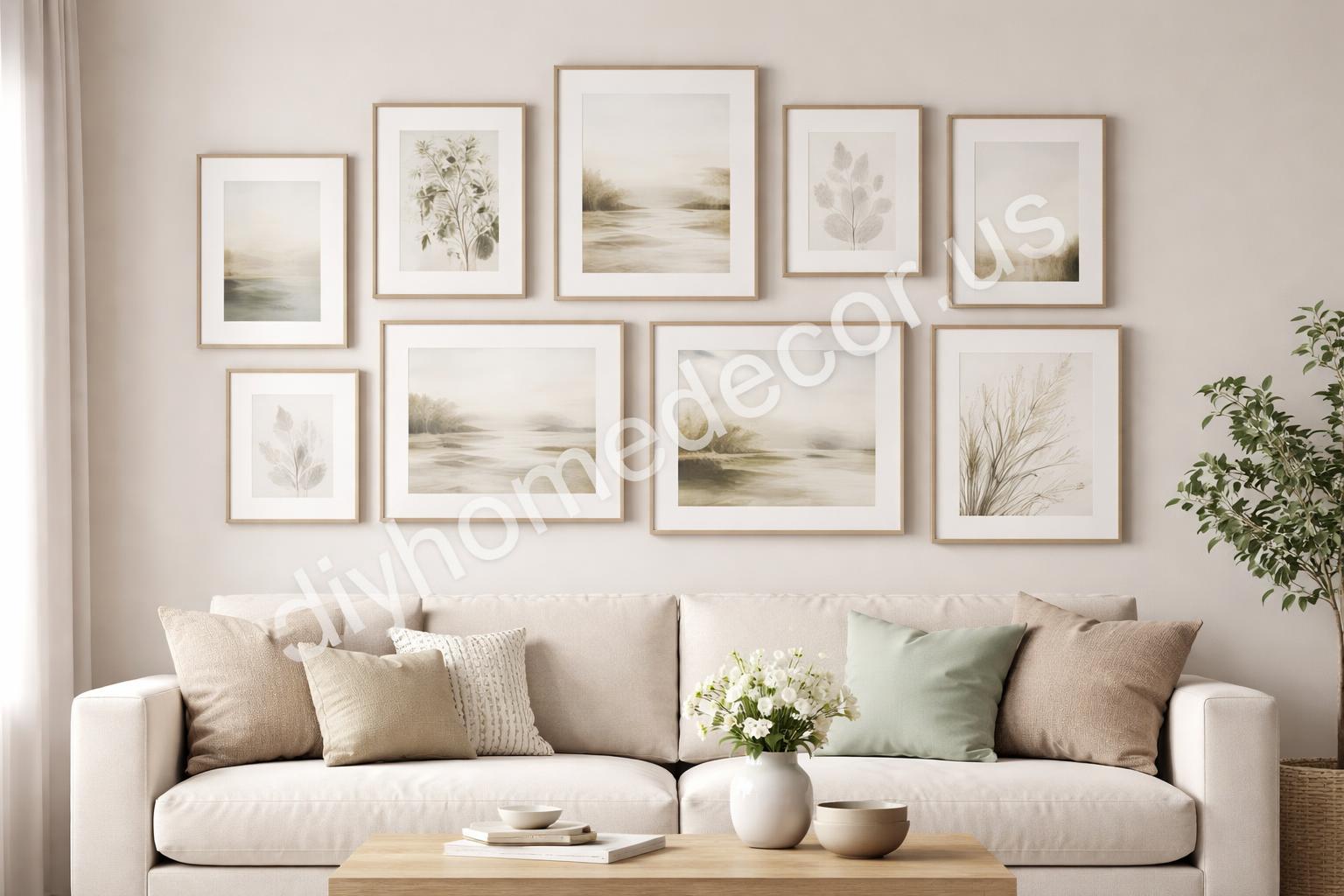
18. Keep your gallery wall controlled
Gallery walls can look expensive, but only if they have a plan. Use matching frames, a limited color palette, or a consistent spacing pattern.
A messy gallery wall often looks like leftovers from five different projects. A tight one feels collected. That difference is smaller than it sounds, but it changes the whole mood of the room.
Budget Details That Still Feel Polished
Small decor is where a room usually gets messy. People buy too many things that are each kind of fine, and then the room loses focus.
Instead of adding more, choose a few details that look finished.
19. Bring in ceramic, glass, or stone accents
These materials tend to look more elevated than bright plastic or ultra-shiny finishes. A ceramic vase or stone bowl can make a coffee table feel quieter and more expensive.
You don’t need a full collection. One or two well-placed pieces is usually enough.
20. Upgrade your plant containers
A basic plant in a sad nursery pot can drag down the whole room. A simple basket, ceramic planter, or matte pot makes even a common houseplant look better.
This is one of the cheapest upgrades with the biggest payoff. A good planter can make a grocery-store plant look styled.
21. Match your storage to your decor
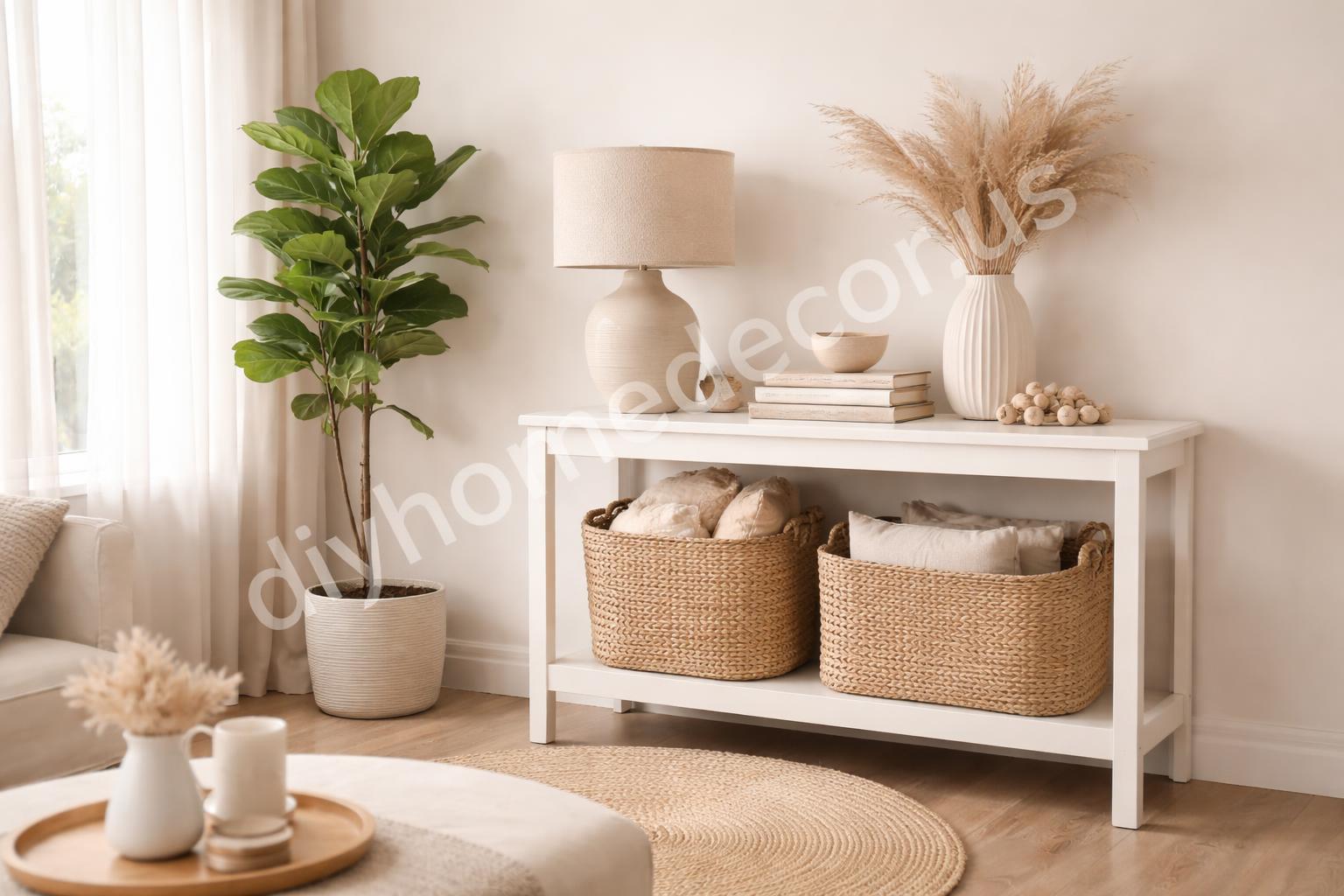
Storage baskets, bins, and boxes are usually visible in living rooms, so they need to look intentional. If they don’t, they become clutter in disguise.
Choose storage in a repeated material or color. Woven baskets, neutral canvas bins, or plain lidded boxes work well. For living rooms that need storage and space-saving ideas too, this article on small bedroom décor ideas that instantly create more space has some useful thinking that carries over surprisingly well.
A Few Easy Rules That Keep the Whole Room Looking Expensive
If you want the short version, here it is.
- Use fewer, larger pieces instead of lots of tiny ones.
- Repeat finishes, colors, and materials.
- Keep surfaces edited.
- Choose texture over shine.
- Let light and curtains do some of the work.
These are simple ideas, but they’re the ones that keep a room from feeling pieced together. Most budget decorating goes wrong when people keep adding instead of editing.
And if you’re working on other rooms too, the same principles apply. This guide to budget bedroom décor ideas that look surprisingly expensive is a good example of how the same basics can make a whole home feel more expensive without spending much.
The Look That Usually Wins
The prettiest budget living rooms usually don’t scream for attention. They feel calm, balanced, and a little edited, like someone made a few smart choices and then stopped.
That’s really the goal. Not to make the room look rich in a flashy way, but to make it look cared for. And honestly, that usually reads as more expensive anyway.
Save This Guide on Pinterest
Save this image to Pinterest so you can easily return to this guide later.