Modern living room decor looks easy until you start adding things to cart. Then the prices creep up, shipping gets weird, and a “simple refresh” turns into a full budget problem.
If you’ve been staring at a plain sofa and blank walls, you already know the trap. Ignore it too long and the room starts feeling unfinished, which usually leads to rushed buys you don’t actually love.
The good news is you can build a modern look online without spending like you’re furnishing a design showroom. In this article, I’ll walk through smarter places to shop, what to compare before you buy, and how to get that clean, current look for less.
Start with the kind of modern you actually want
A lot of people shop for “modern” decor, but they mean very different things. Some want warm neutrals, some want sharp black-and-white pieces, and some just want the room to stop looking dated.
That matters because the cheapest item isn’t always the right one. A $18 vase can still look wrong if the finish, scale, or texture doesn’t match the rest of the room.
I’ve seen people waste money on trendy pieces that fight each other. It’s usually not the price that makes a room look expensive, it’s the consistency.
Here’s a simple way to narrow it down:
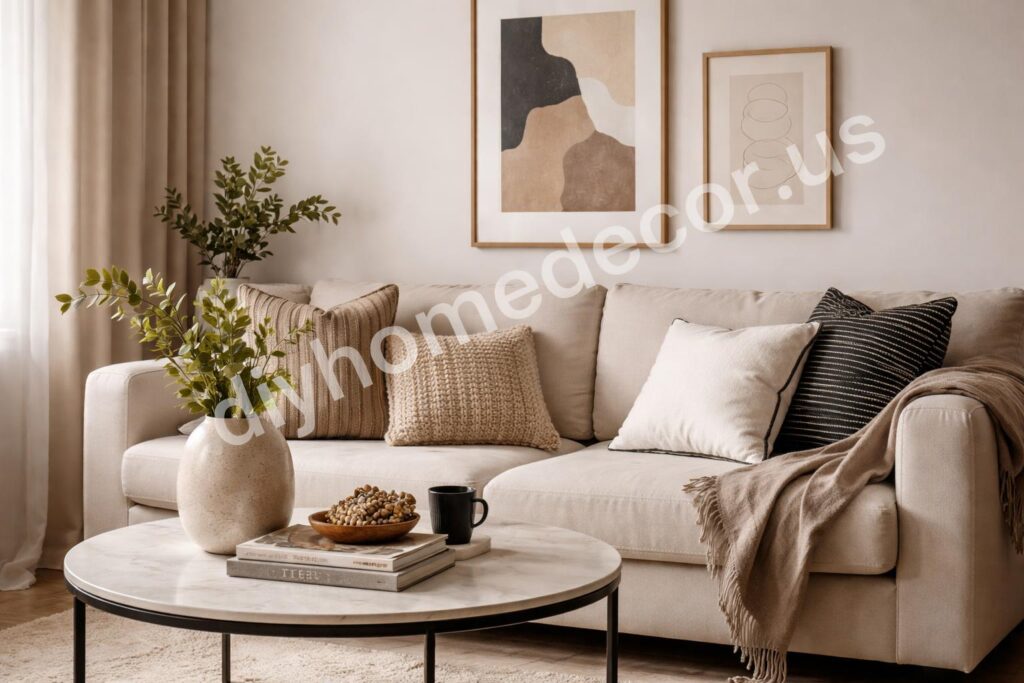
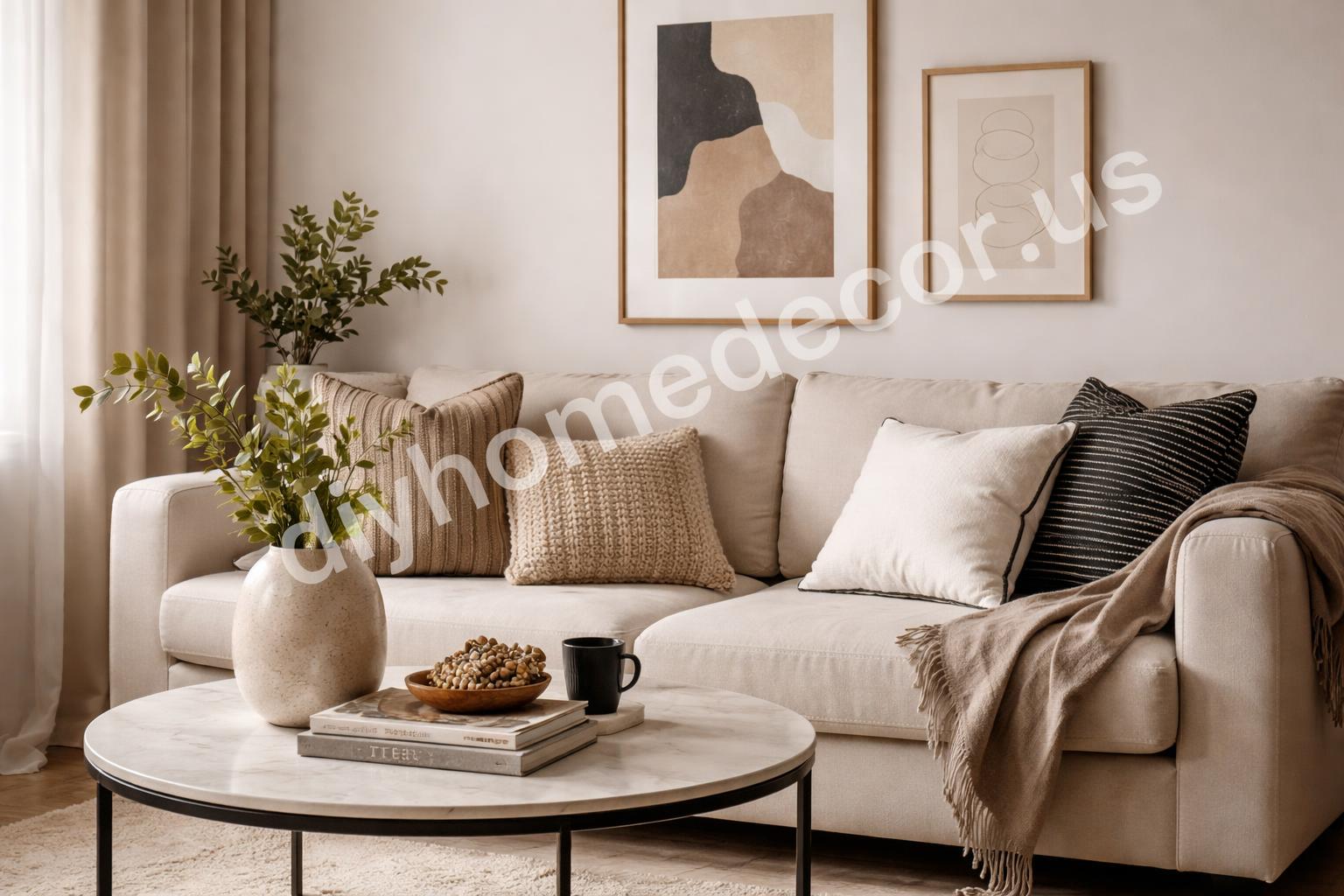
- Soft modern: beige, cream, wood, linen, rounded shapes
- Clean modern: black, white, glass, chrome, straight lines
- Moody modern: charcoal, walnut, stone, matte finishes
- Minimal modern: fewer items, bigger shapes, more breathing room
Once you know the style lane, shopping gets easier. You stop buying random “pretty” things and start buying pieces that actually work together.
The best online places to look when you want less expensive pieces
If you want modern living room decor online for less, I’d start with stores that mix style with enough volume to keep prices from getting silly. You’re not looking for the fanciest site. You’re looking for the best value for the look.
One useful habit is comparing the same item type across several stores, not just one. A mirror, tray, lamp, or throw pillow can vary wildly in final cost once shipping is added.
1) Big home decor marketplaces
These are usually the easiest starting point because they carry almost everything. You can search by color, size, finish, and style, which saves time if you’re filling a room fast.
The downside is quality can be uneven. So don’t just chase the lowest number on the listing. Check reviews, return policies, and whether the seller looks trustworthy.
2) Direct-to-consumer decor brands
These shops often have cleaner, more modern styling than giant marketplaces. They’re a good middle ground when you want pieces that look thoughtful but don’t cost designer money.
I like these sites for lamps, wall art, and accent furniture. Those are the pieces that can make a room feel pulled together fast, so it’s worth being a little picky.
3) Discount and seasonal sale sections
This is where a lot of the real savings happen. Plenty of modern decor looks overpriced at first glance, then drops once it hits clearance or seasonal markdowns.
The catch is that sale sections move fast. If you wait too long, the exact size or color you wanted is gone, and you end up settling for something close.
Quick tip: shop the sale section after you’ve decided on your color palette, not before. That keeps you from buying “cheap” stuff you still won’t use.
What to buy first if your living room feels empty
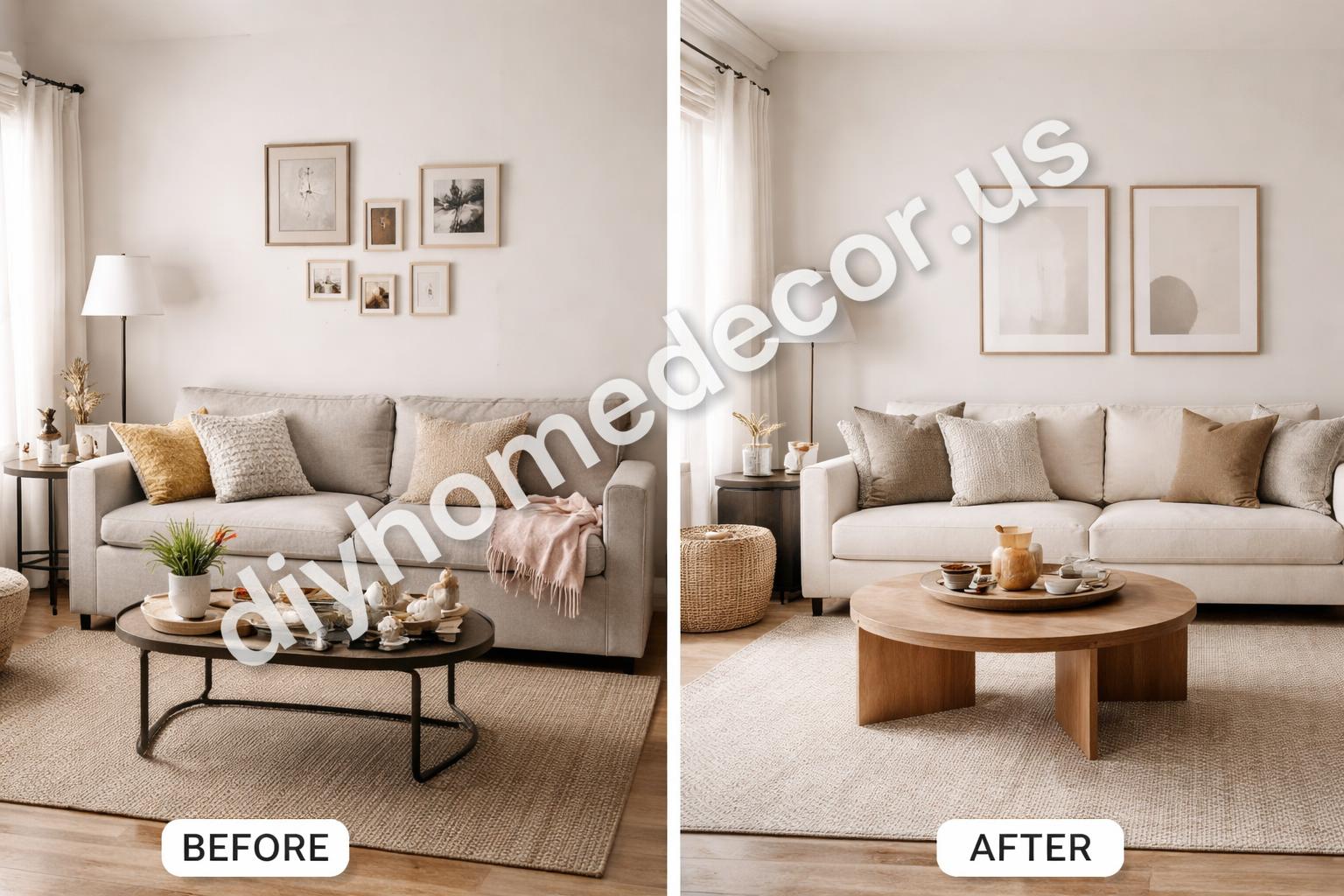
If you try to redecorate everything at once, the budget gets blown fast. I usually think in layers instead.
Start with the pieces that change the whole room right away. Those are the items you notice from across the space.
Best first buys:
- A rug to anchor the seating area
- Pillows and a throw to soften the sofa
- One lamp or light source to fix flat lighting
- A mirror or art piece to fill a blank wall
- A tray, vase, or bowl for the coffee table
That order isn’t fancy, but it works. A room can feel 80% better with just those basics in place.
One mistake I see often is people buying small decor first. Tiny objects are fun, but they don’t solve the real problem if the room still feels bare.
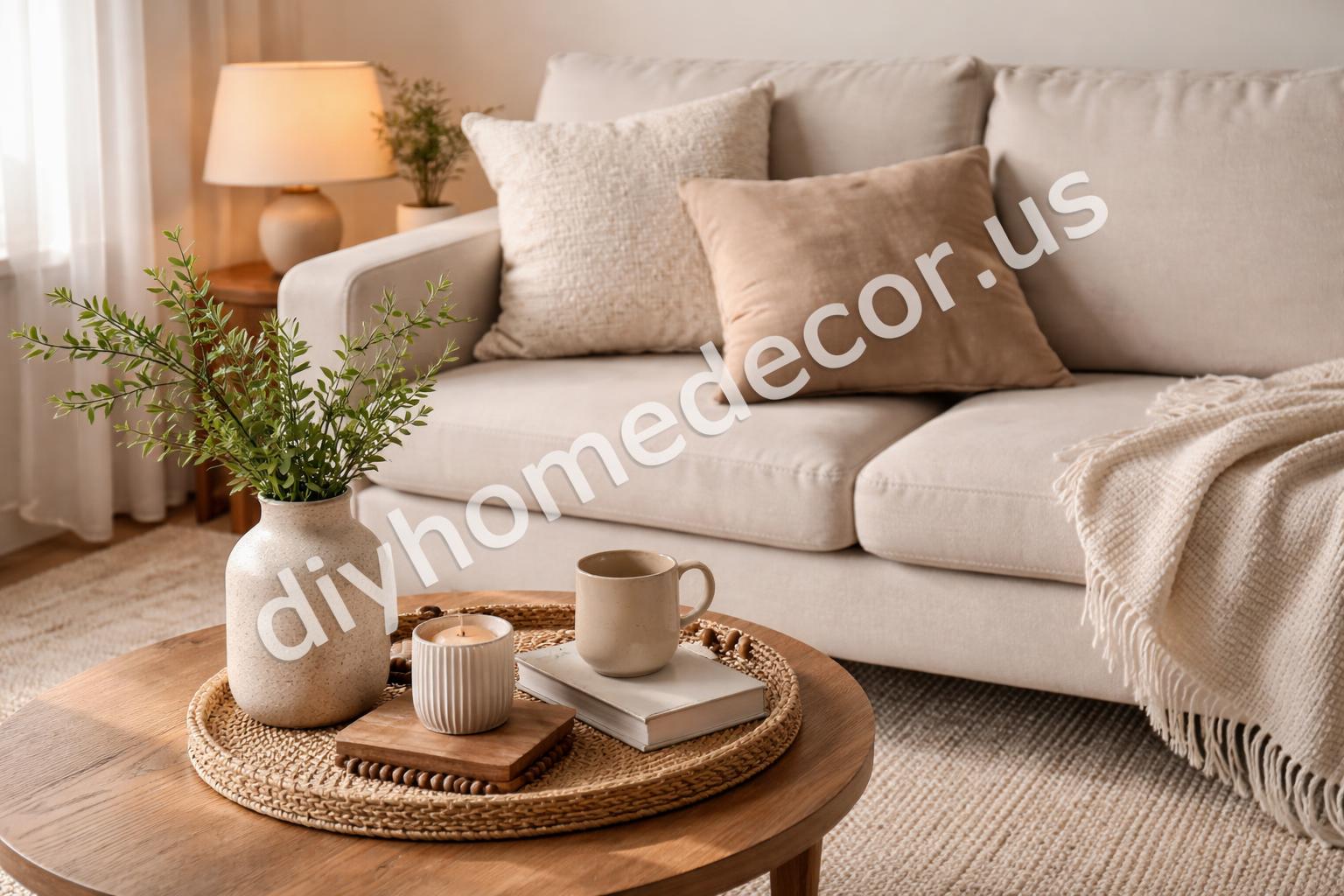
How to tell if a piece will look expensive online
Photos can be slippery. A listing can look polished even when the item is flimsy, undersized, or oddly finished.
So I check a few things before I buy. Not because I’m trying to be perfect, but because return shipping is annoying and usually not worth the hassle.
Look for these details:
- Material description: wood, metal, ceramic, linen, wool, stone
- Finish: matte usually reads more modern than shiny
- Scale photo: make sure it’s shown in a real room
- Review photos: these are often more honest than the product shots
- Dimensions: especially for art, mirrors, and side tables
A product can look expensive because it has a strong shape, not because it’s actually luxury. A simple black-framed mirror or a low ceramic bowl often beats a busy, overdesigned piece.
For living room decor, scale matters more than people think. A small art print over a big sofa can make the whole wall feel awkward.
The tricky part: final price is not just the sticker price
This is where online shopping gets sneaky. A decor item that looks cheap can stop being cheap once you add shipping, tax, or a second item just to hit free-shipping minimums.
I always compare the final checkout total, not the headline price. That one habit saves more money than hunting for promo codes ever does.
If you’re shopping a site you don’t know well, compare these before checking out:
- item price
- shipping cost
- delivery speed
- return cost
- return window
- seller rating or store reputation
Always compare the total cost, not the listed cost. That’s the difference between a smart buy and an impulse buy that feels cheap for about five minutes.
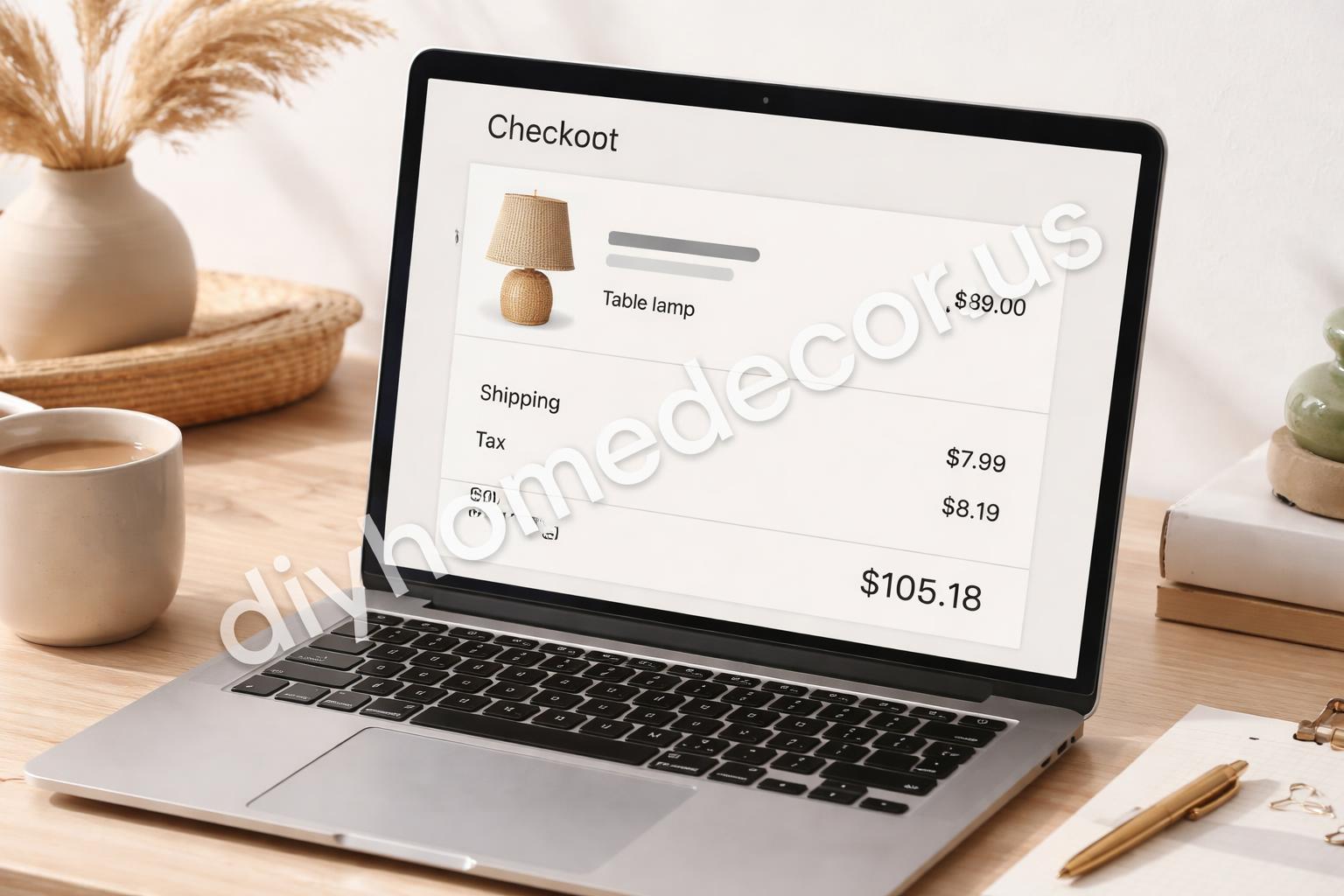
Where modern decor hides the best value
Some categories are just easier to buy online than others. If you want a modern living room on a budget, start with items that are light, easy to ship, and simple to style.
Best value categories
Pillows and throws
These are usually the easiest way to refresh a sofa without changing the sofa itself. Texture does a lot of heavy lifting here.
Vases and bowls
Modern versions tend to be simple, so you can find strong shapes without paying too much. Ceramic and matte finishes usually feel more expensive.
Wall art
Digital prints, framed sets, and canvas pieces can transform a wall quickly. Just make sure the size actually fits the space.
Mirrors
A mirror can make a room feel bigger and brighter. It’s one of the best buys if your living room doesn’t get much natural light.
Lamps
A good lamp changes the mood fast. The room stops feeling flat, especially at night.
The one thing I learned the hard way is that “decor” isn’t always the same as “furnishing.” A tiny shelf ornament won’t fix a room that needs better lighting or a bigger visual anchor.
A simple shopping plan that keeps you on budget
If you want the room to look coordinated, don’t shop in a random order. Build it in a way that keeps the whole thing from drifting.
Start with the biggest visual piece, then work down.
A practical order to follow
-
Pick a color base
Choose two neutrals and one accent color. -
Buy the anchor item
Usually the rug, art, or mirror. -
Add texture
Look for linen, woven fabric, ceramic, or wood. -
Repeat the same finish twice
Maybe black metal in a lamp and frame, or warm wood in a tray and side table. -
Stop before the room feels crowded
Modern decor often looks better with one empty spot than with one extra thing.
That last point is easy to ignore because online shopping makes everything feel necessary. But empty space is part of the look.
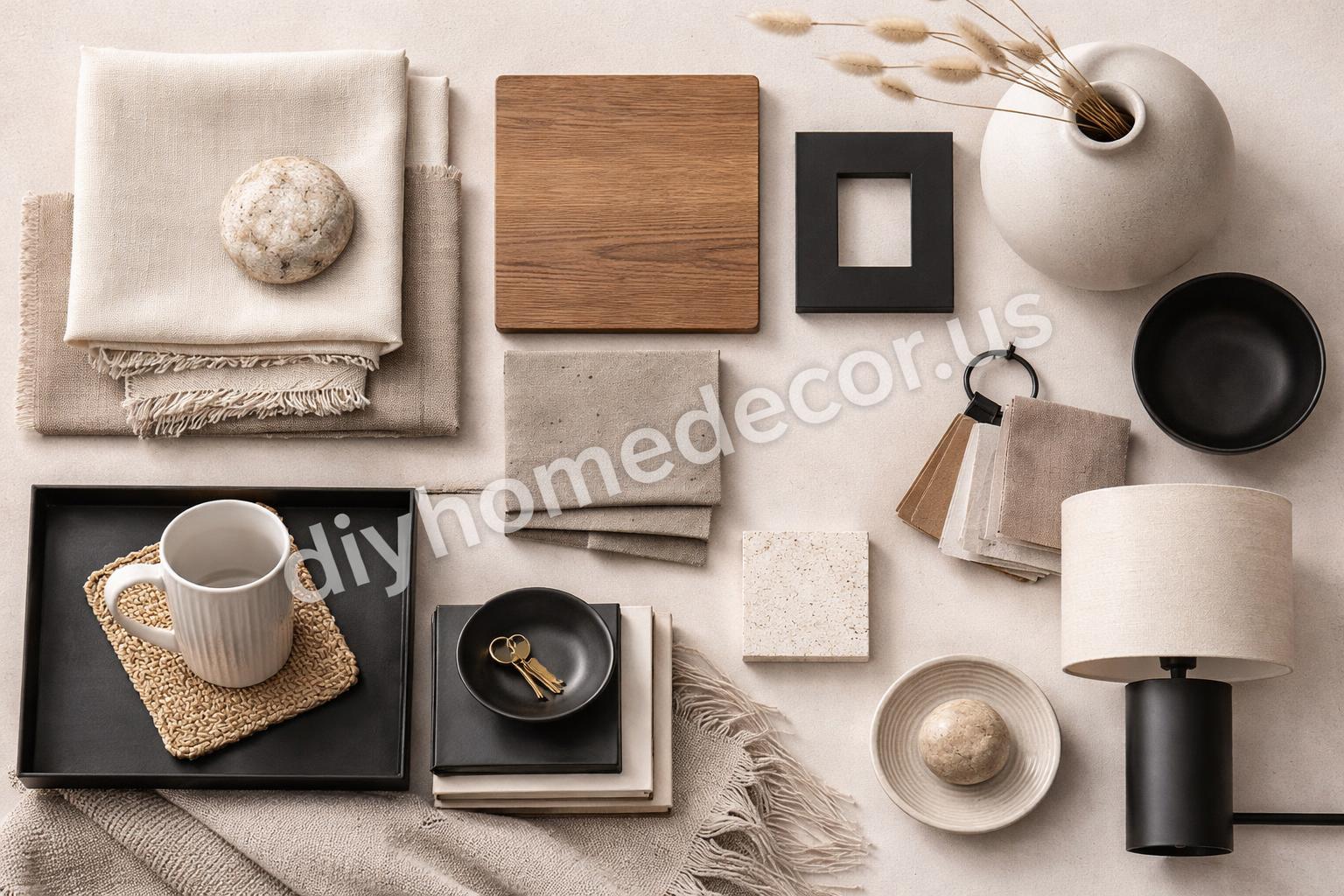
What to skip, even if it’s on sale
Some decor deals are only deals because the item is hard to use. That sounds harsh, but it’s true.
I’d be careful with anything that feels too trendy, too tiny, or too theme-heavy. Those pieces can date fast.
Usually not worth it:
- overly shiny gold finishes
- tiny decorative signs
- overly themed sets
- fake “luxury” objects with no real texture
- art that’s too small for the wall
A modern living room usually needs restraint, not more stuff. Cheap decor can look good if it’s simple. Cheap decor with too many fake details usually doesn’t.
One small thing I noticed: the more colors a piece has, the harder it is to blend into the rest of the room. That’s fine if you want contrast, but it can get messy fast.
Using a few trusted style references helps
Sometimes it helps to look at how polished decor is organized before buying anything. Not to copy a room exactly, just to see what kinds of shapes and finishes keep showing up.
I like using inspiration pages from places that focus on practical styling, not just pretty photos. For example, the budget living room decor ideas that look expensive guide is useful if you want to see how simple pieces can still feel elevated.
And if your room connects to a bedroom or multipurpose space, the softer ideas in romantic bedroom décor ideas for a cozy escape can help you think about texture, lighting, and warmth in a way that still works in a living room.
That’s not about copying style room to room. It’s about noticing which materials keep showing up when a space feels finished.
A quick checklist before you hit buy
This is the part I wish more people used. It takes a minute, and it prevents a lot of regret.
Before you order, ask:
- Does this match my color base?
- Is the size right for the room?
- Will it look good with what I already own?
- Is the final price still fair after shipping?
- Can I return it if the color looks different in person?
If two of those answers are shaky, I usually pass. There’s always another piece.
And if you’re shopping on a phone, zoom in on the product photo. A lot of details that look fine on a laptop screen get a little weird when you see them close up.
Styling tricks that make cheap finds look more finished
You don’t need a room full of expensive things. You need a few pieces that feel connected.
Try this instead of buying more
- use odd-number groupings on tables
- mix one soft texture with one hard texture
- repeat the same metal finish
- leave some surfaces partially empty
- put bigger pieces lower and smaller pieces higher
That last one sounds basic, but it matters. A low bowl, medium vase, and taller lamp often look more natural than three random objects at the same height.
Also, don’t ignore lighting. A budget room with warm light usually looks better than a pricier room with harsh overhead light.
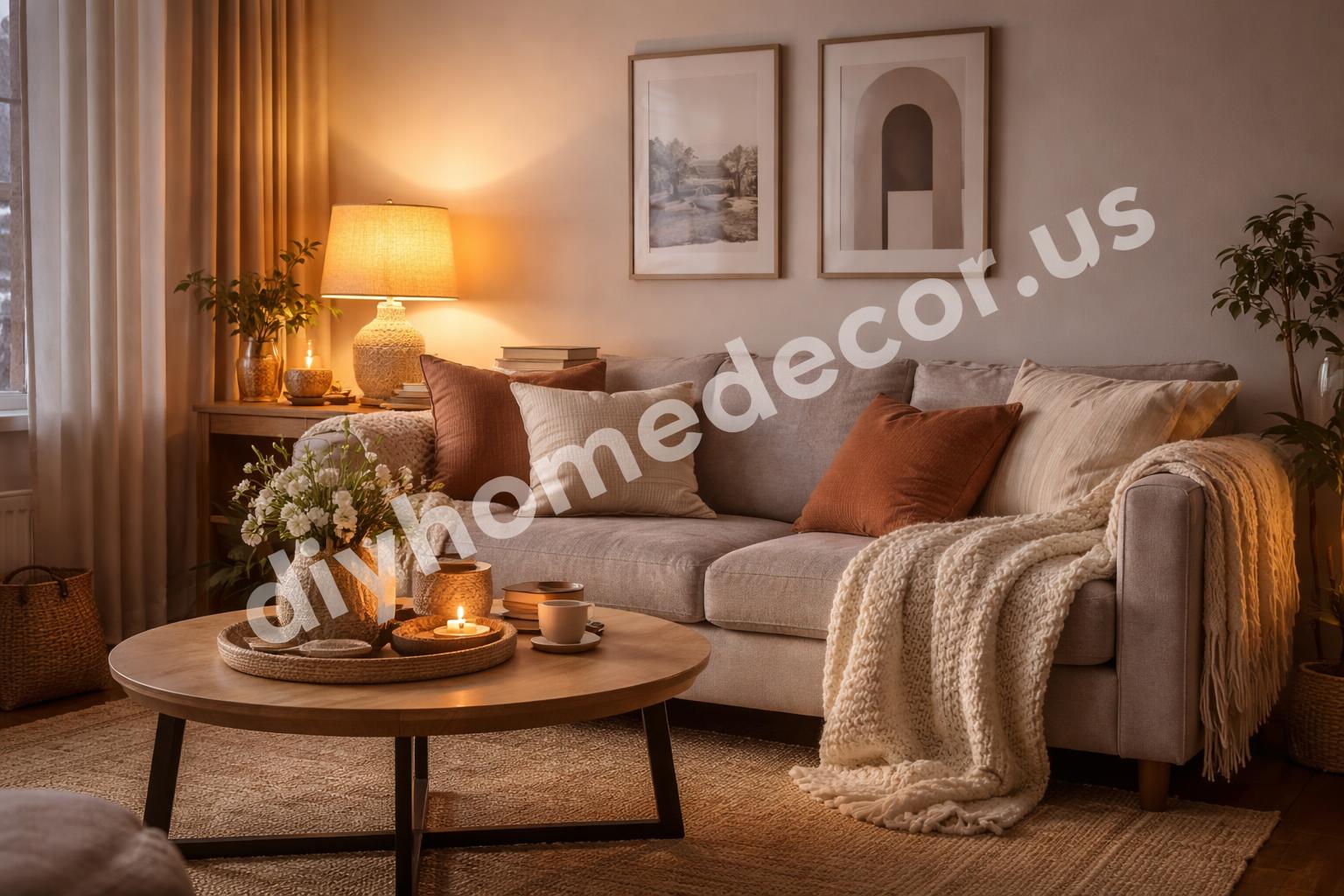
When it’s worth spending a little more
Not every item should be the cheapest version you can find. Some pieces take the most abuse or affect the whole room too much.
I’d spend more on:
- the rug
- the lamp
- the primary wall art
- the sofa pillows if they’ll be touched a lot
- anything fragile that needs decent build quality
I’d save on:
- decorative bowls
- simple vases
- prints
- trays
- small accent objects
That split usually keeps the room from feeling flimsy. The pieces people see and use most should hold up a little better.
Final thought
Buying modern living room decor online for less isn’t really about finding the cheapest item. It’s about getting the right mix of shape, texture, and size without paying extra for clutter.
If you keep the room simple, compare the final price, and buy in the right order, the whole thing gets easier. And honestly, that’s what makes the room feel modern in the first place.
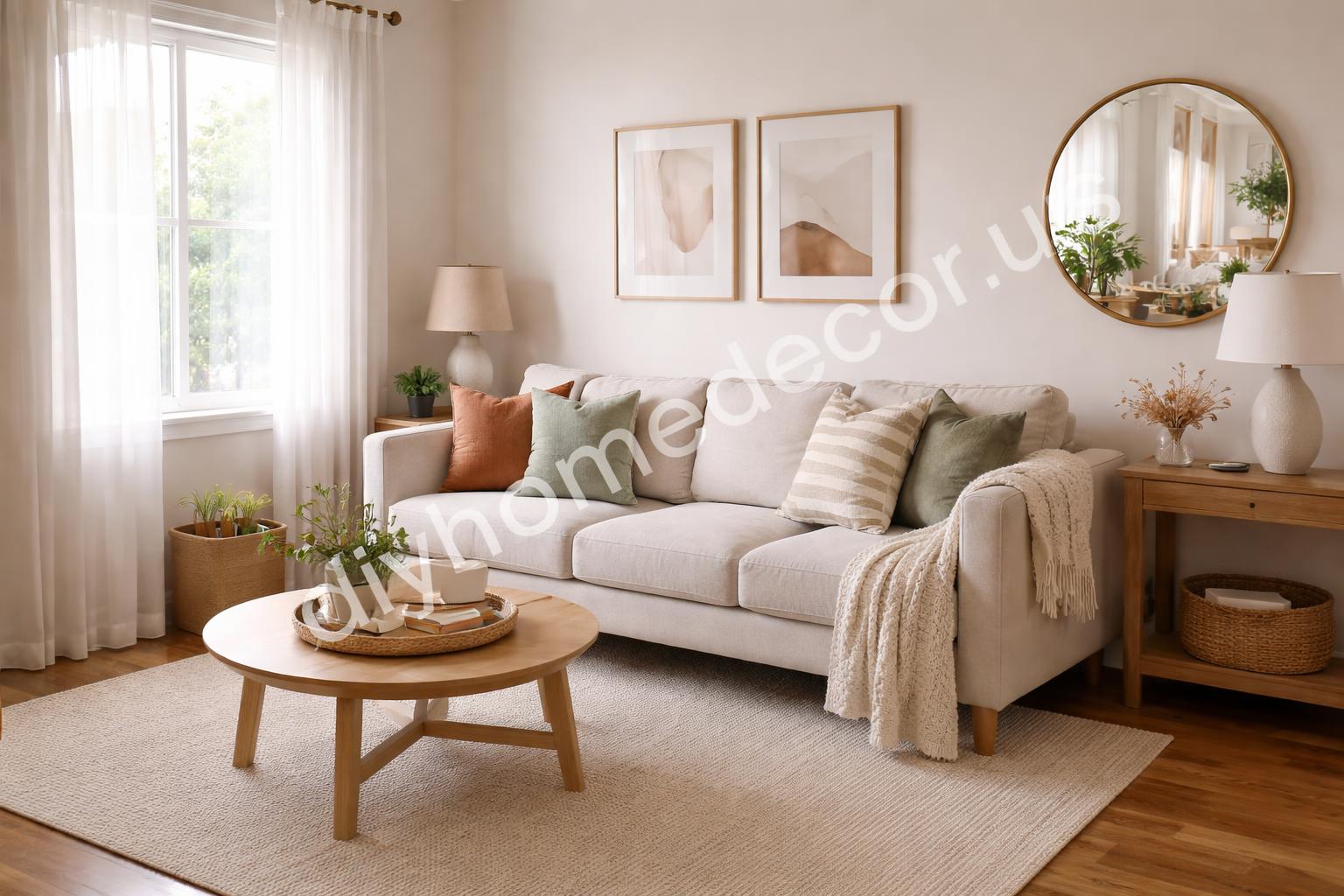
Save This Guide on Pinterest
Save this image to Pinterest so you can easily return to this guide later.