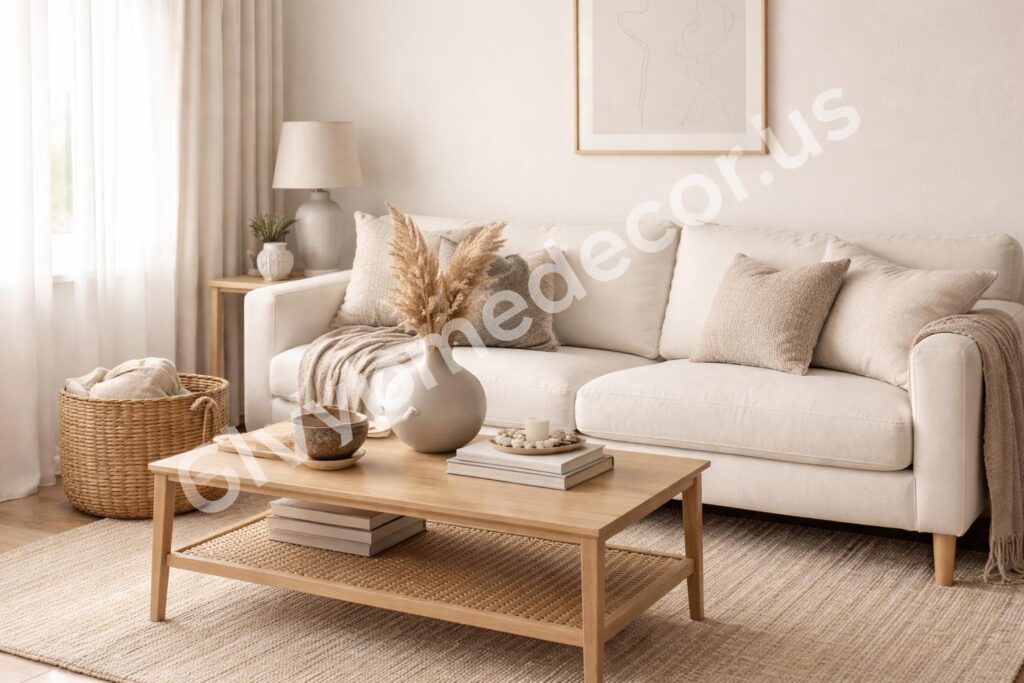
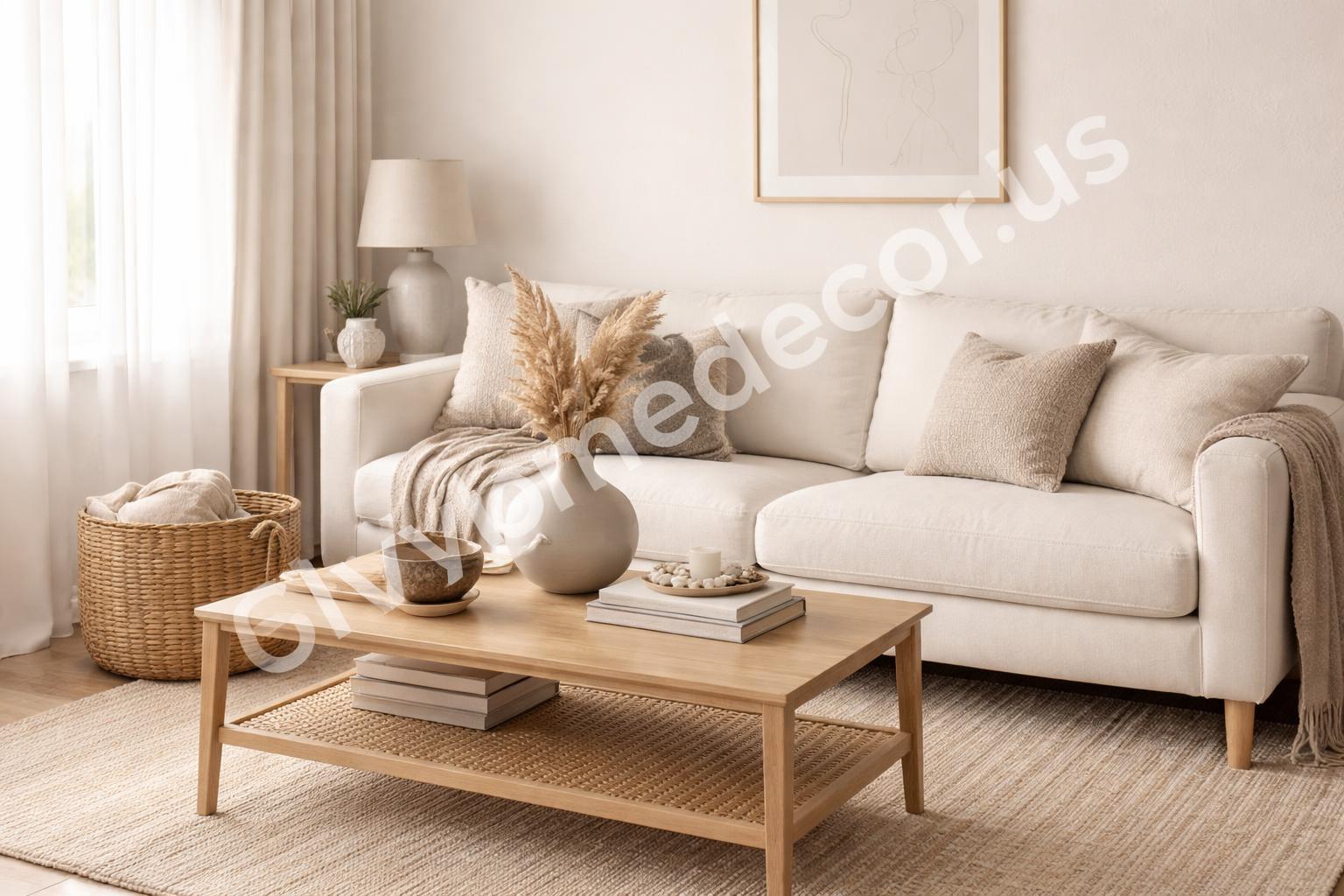
A neutral living room sounds easy until you try to decorate one. Then it can turn flat fast, or worse, a little too cold.
That usually happens when everything is beige, but nothing has depth. The room ends up looking unfinished, and one wrong choice can make the whole space feel bland instead of calm. In this article, I’m breaking down the neutral decor ideas that actually work in real homes, with a focus on texture, shape, and a few details that keep the room from feeling forgettable.
Start with the right neutral base
The biggest mistake I see is treating “neutral” like one color. It’s really a mix of tones, and the mix matters a lot.
Warm white, oatmeal, sand, taupe, greige, soft brown, and muted black all play different roles. If you use only one shade everywhere, the room can look washed out. But if you layer them on purpose, the space feels relaxed and finished.
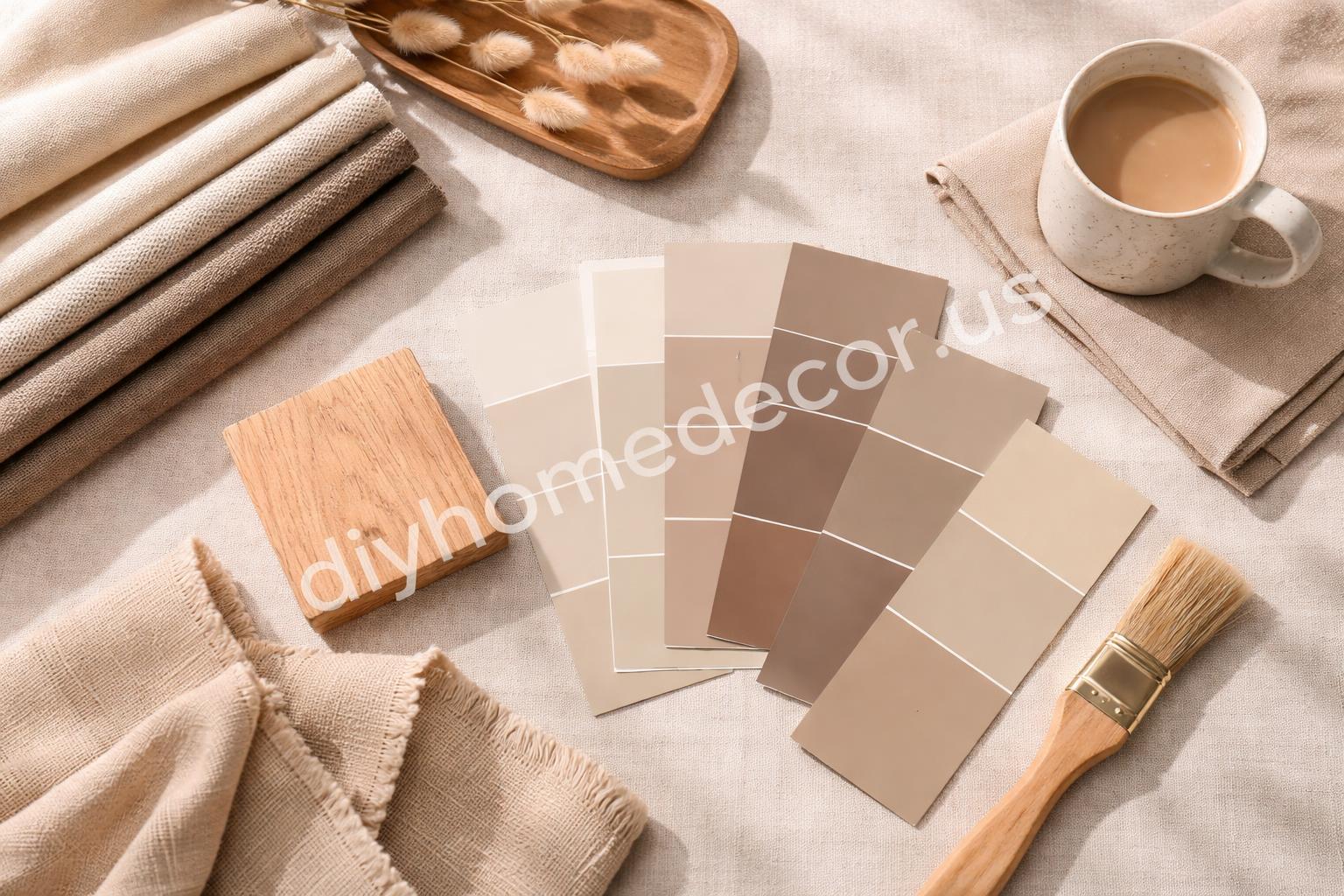
A good neutral room needs contrast, not just consistency. That can be as simple as a cream sofa with a tan throw, a wood coffee table, and black lamp bases.
One thing I learned the hard way: matching every tone too closely makes the room look flatter than expected. A little variation is what gives neutral decor its life.
Build the room around texture, not color
When color is limited, texture does the heavy lifting. That’s the part people often skip.
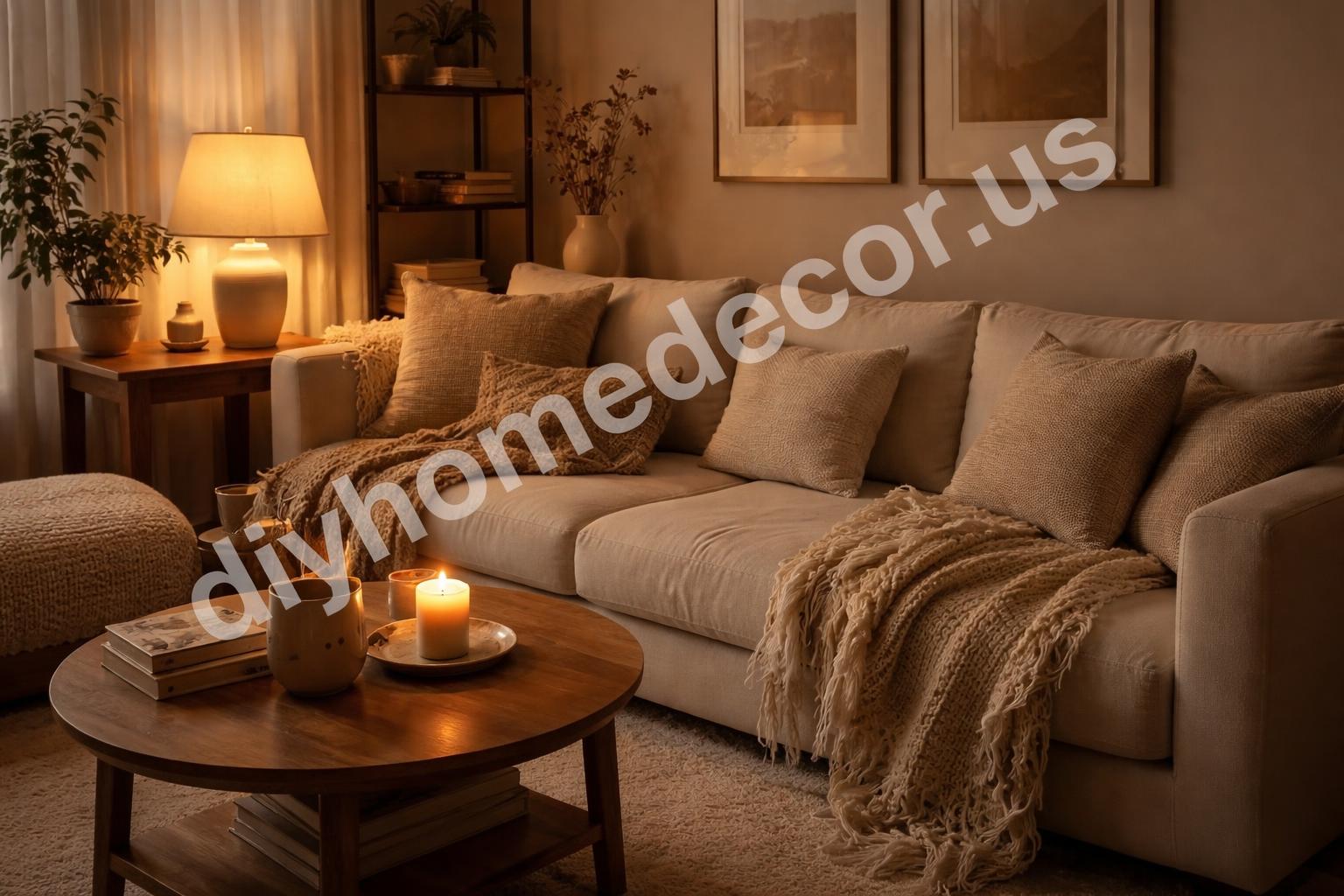
Think linen curtains, boucle pillows, woven baskets, matte ceramics, soft wool throws, and light wood furniture. These pieces don’t scream for attention, but they stop the room from feeling empty.
A smooth leather chair beside a nubby rug changes the mood right away. Same with a glossy vase near a raw wood shelf. The contrast is subtle, but it makes the room feel intentional.
Easy texture pairings that work
- Linen + wood for a soft, natural look
- Bouclé + metal for something a little more modern
- Wool + leather for warmth and structure
- Ceramic + rattan for a relaxed, casual room
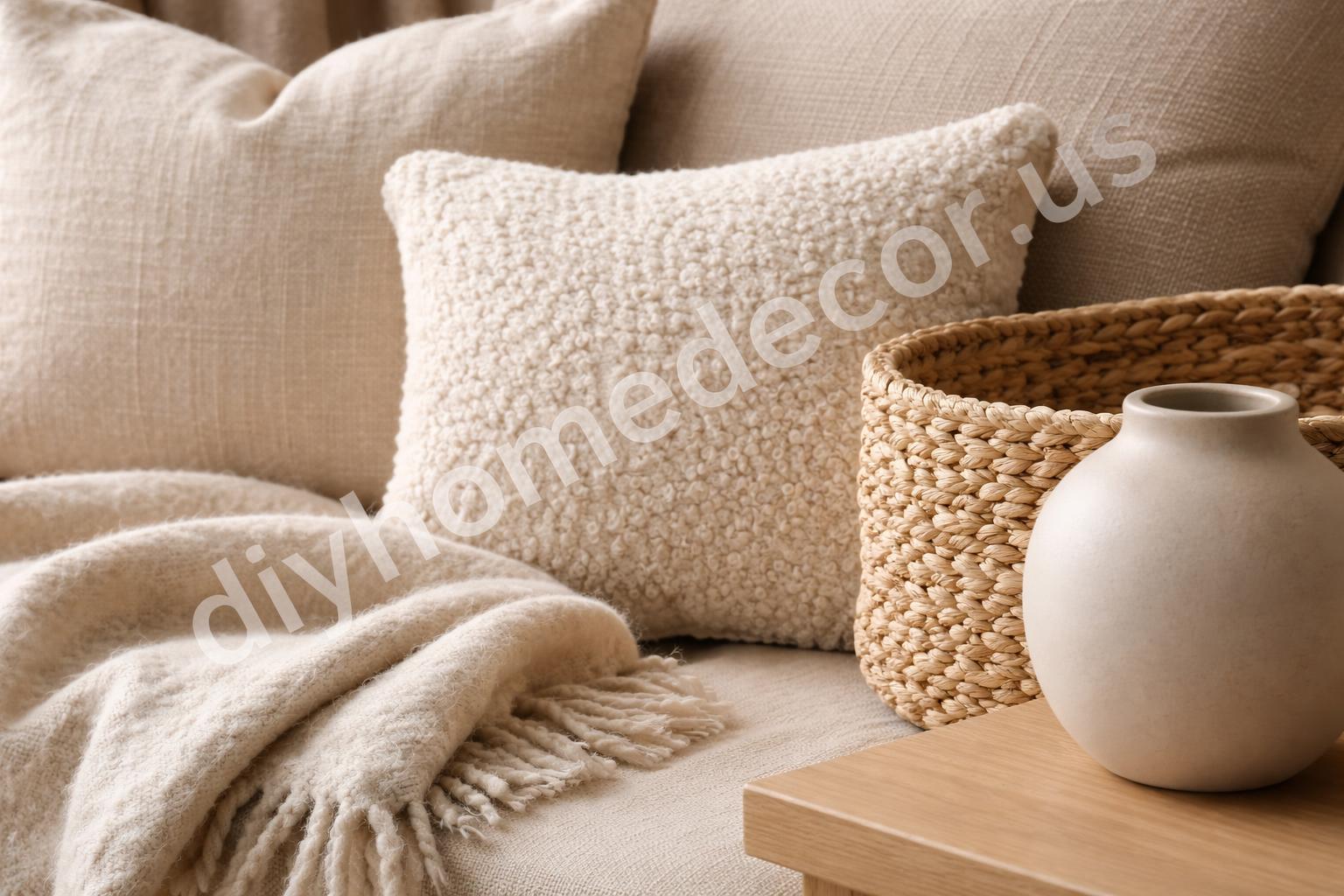
Surprisingly, the smallest textured piece can make the biggest difference. A single chunky knit pillow can do more for a plain sofa than three extra decor items.
Use animal statues carefully, not randomly
Animal decor can work in a neutral living room, but only when it feels deliberate. This is where I’d be picky.
A small bird sculpture, ceramic rabbit, horse bust, or abstract dog figure can add personality without breaking the calm palette. The trick is choosing one piece that looks sculptural, not cartoonish. If the shape is too playful, it can fight with the rest of the room.
For shelf styling, the best approach is to give the animal statue room to breathe. Don’t crowd it with ten other objects. Let it act like a visual pause.
If you want more ideas for shelf-friendly pieces, I’d look at animal statue decor ideas for living room shelves in 2026. That kind of detail can be surprisingly useful when your room needs just one more personal touch.
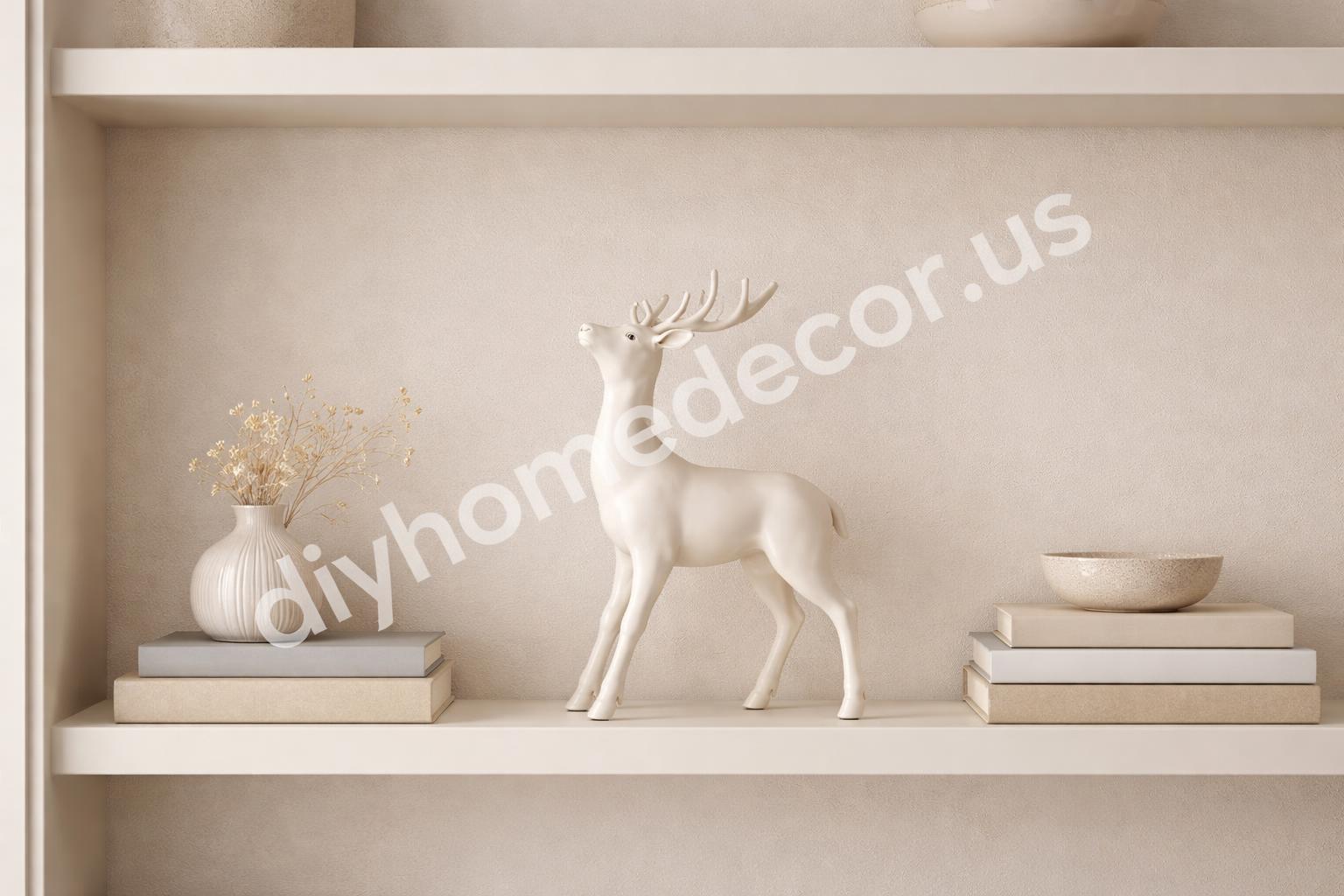
Small decor objects work best when they feel collected, not matched. One statue with good shape is better than a whole shelf of similar little things.
Choose furniture with soft lines
Neutral rooms can go stiff fast if every piece is boxy. Rounded shapes help a lot.
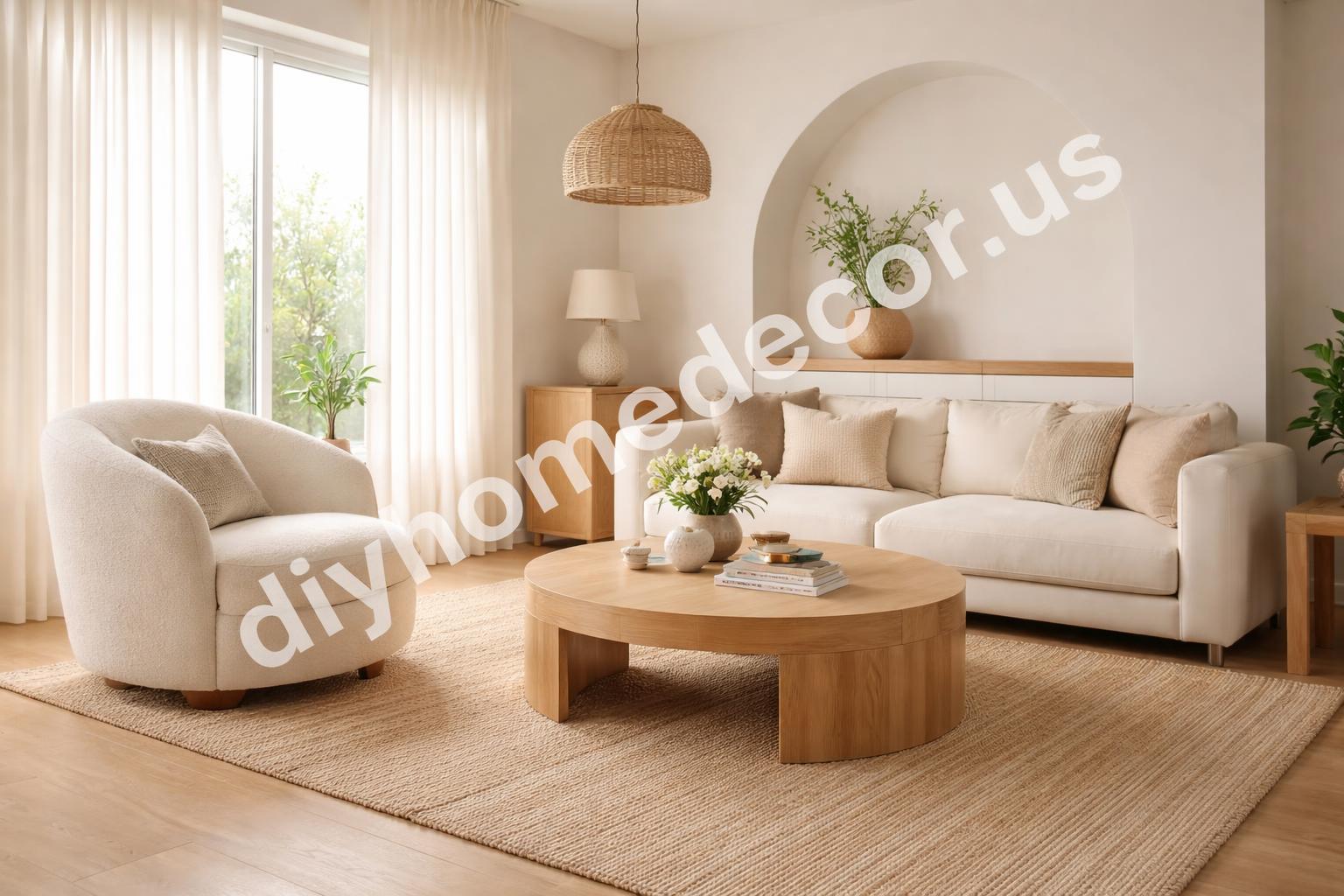
A curved armchair, oval coffee table, or arched lamp softens the room and makes it feel friendlier. Straight lines still have a place, especially in shelves and media consoles, but too many rigid edges can make a neutral room feel a little severe.
That balance matters more than most people think. If your sofa is very square, use a round tray, a soft rug, or a lamp with a curved base to offset it.
A simple furniture rule
If one large piece feels heavy, pair it with something lighter in shape or texture.
That keeps the room from looking like a showroom. It also makes the space easier to live in, which is the real point.
Budget decor can still look expensive
Neutral decor is one of the easiest styles to do on a budget, because the look depends more on restraint than on buying expensive pieces. That’s the good news.
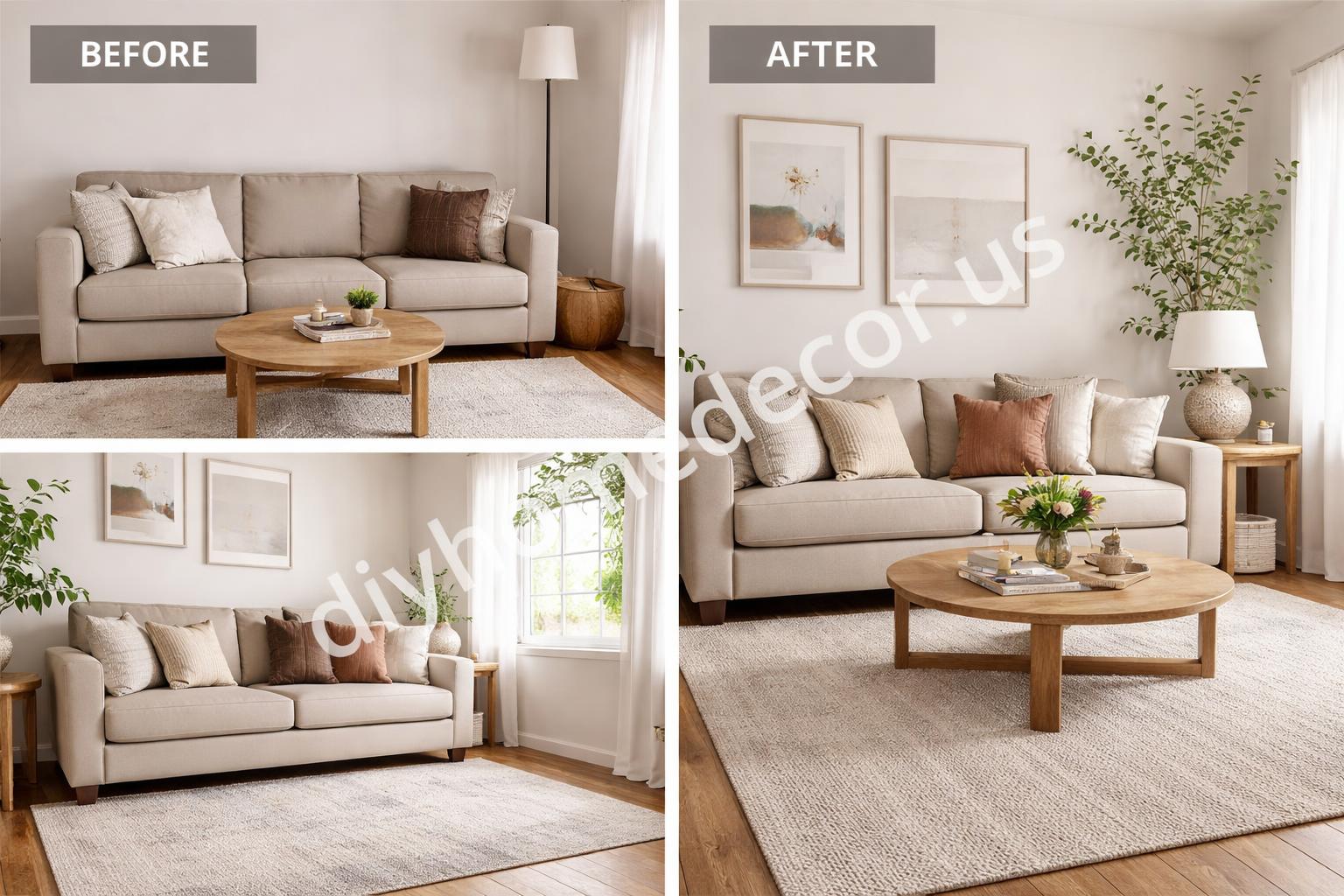
A room can look polished if you focus on a few smart swaps:
– a larger rug instead of a tiny one
– one good lamp instead of several small ones
– simple art in larger frames
– matching pillow covers in better fabric
– a real tray or bowl instead of scattered small items
The mistake is buying too many cheap pieces. Then the room starts to feel cluttered, and the “budget” part becomes obvious.
I’ve seen people get a much better result by removing decor than by adding more. That sounds too simple, but it’s true. A cleaner shelf usually looks more expensive than a crowded one.
For more on that approach, budget living room decor ideas that look expensive is a useful place to start.
What makes budget decor look better
- Fewer colors
- Larger-scale pieces
- Real texture
- Matte finishes
- Less clutter
One thing I notice in almost every “expensive-looking” room is this: there’s always a little breathing room around the decor.
Modern neutral rooms need one strong anchor
A neutral living room still needs a focal point. Without that, everything blends together.
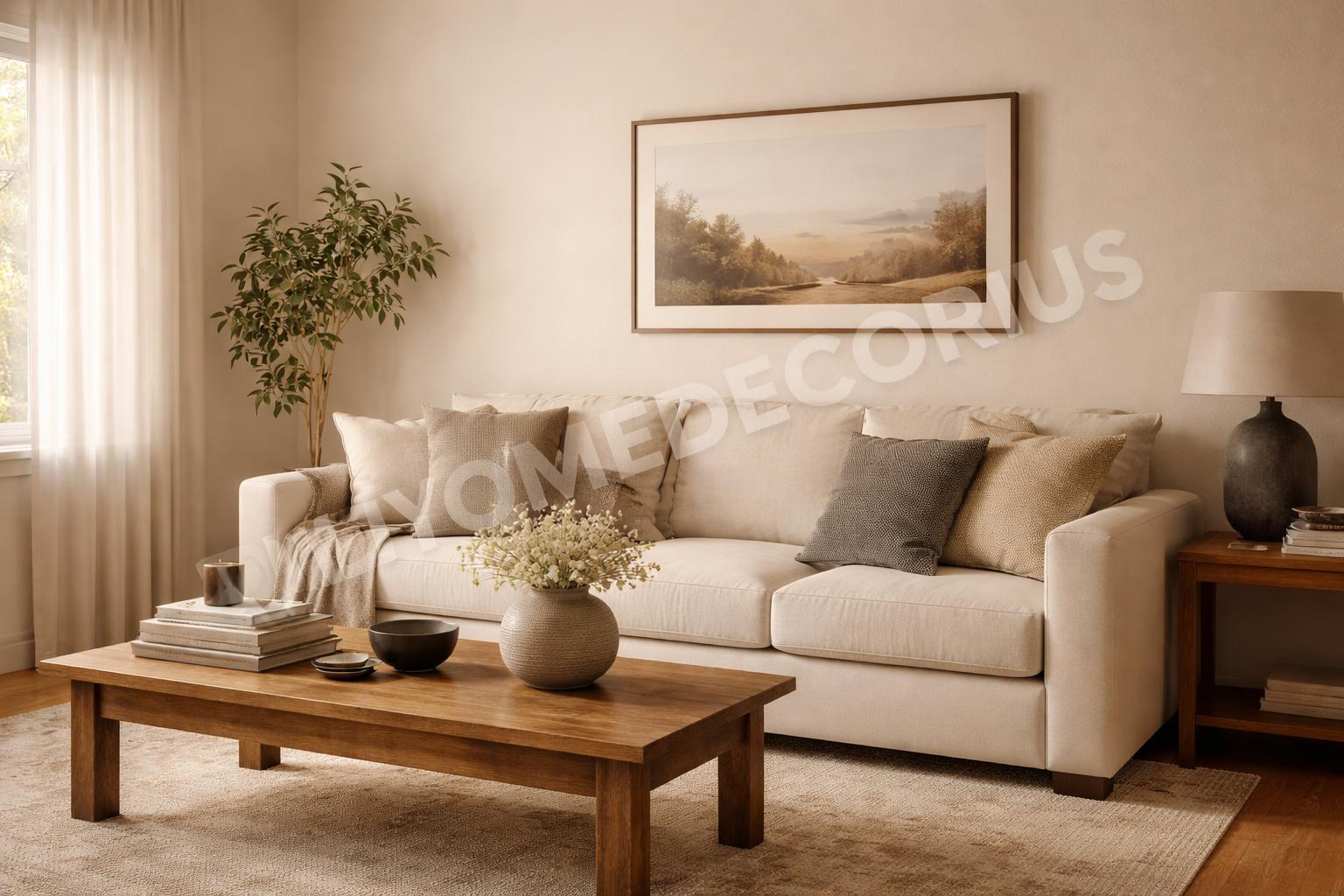
The anchor could be a large piece of art, a fireplace, a textured sofa, or a dark wood media console. It doesn’t have to be dramatic. It just needs to give your eye somewhere to land.
Modern neutral rooms tend to look best when they mix clean shapes with warm materials. So instead of filling the space with trendy accessories, choose one or two pieces that carry the style for you.
If you’re shopping online, it helps to compare more than just the item photo. Look at finish, size, shipping, return policy, and seller trust before you buy. That matters even more with modern pieces, because a small difference in color or scale can change the whole room.
For a broader shopping approach, where to buy modern living room decor online for less can help you think through the purchase before you click.
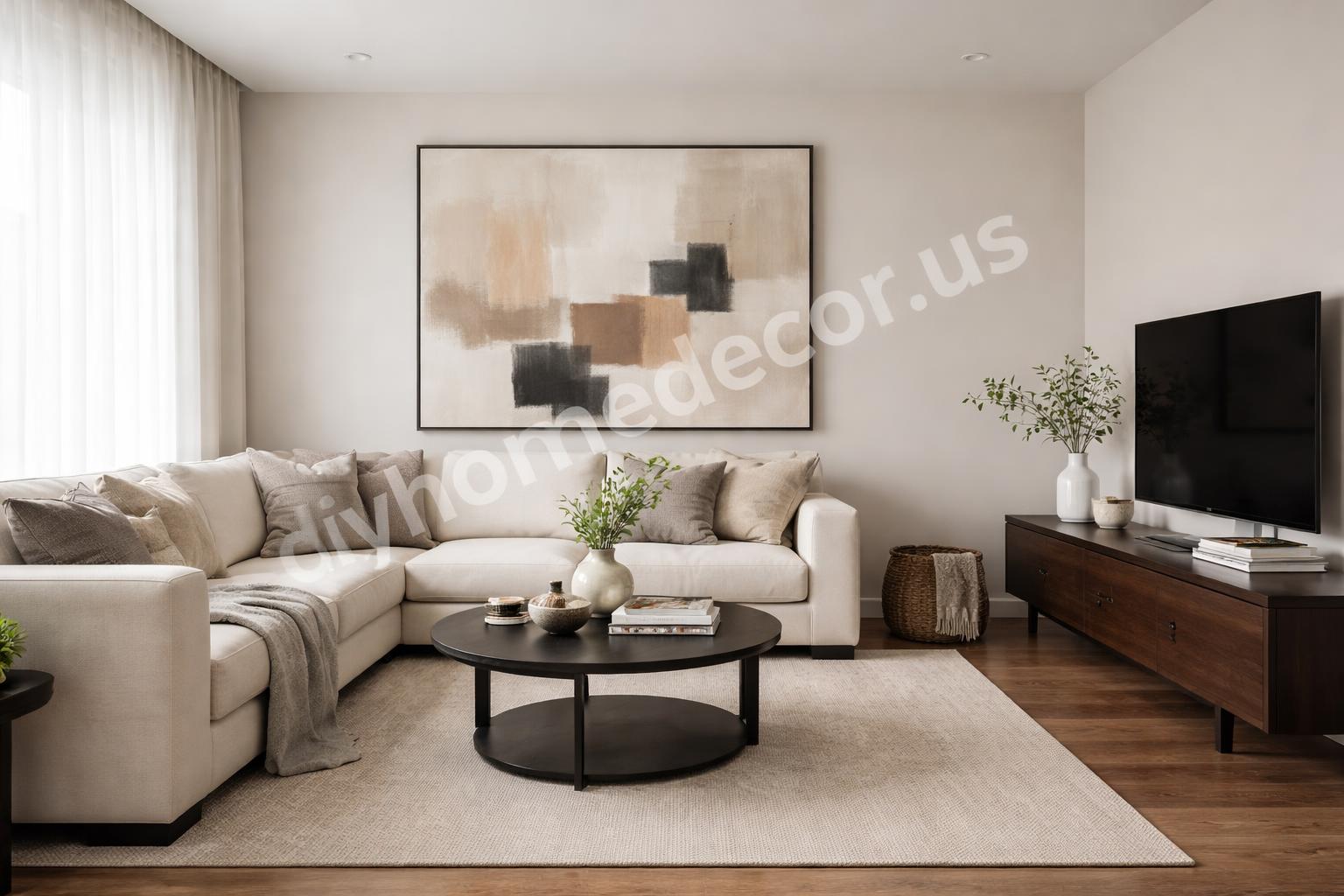
A strong focal point keeps neutral decor from looking accidental. It’s the difference between “styled” and “stuff placed in a room.”
Layer the room like a real space, not a display
This is the part that makes a living room feel lived in.
Start with the big surfaces: sofa, rug, curtain, and table. Then layer in medium pieces like lamps, baskets, and art. Finish with the smallest details, like a book stack or ceramic dish. If you skip the middle layer, the room often feels oddly bare.
The best neutral rooms usually have at least three levels of interest:
1. A large soft base, like a rug or sofa
2. A mid-level shape, like a lamp or vase
3. A small detail, like a bowl or statue
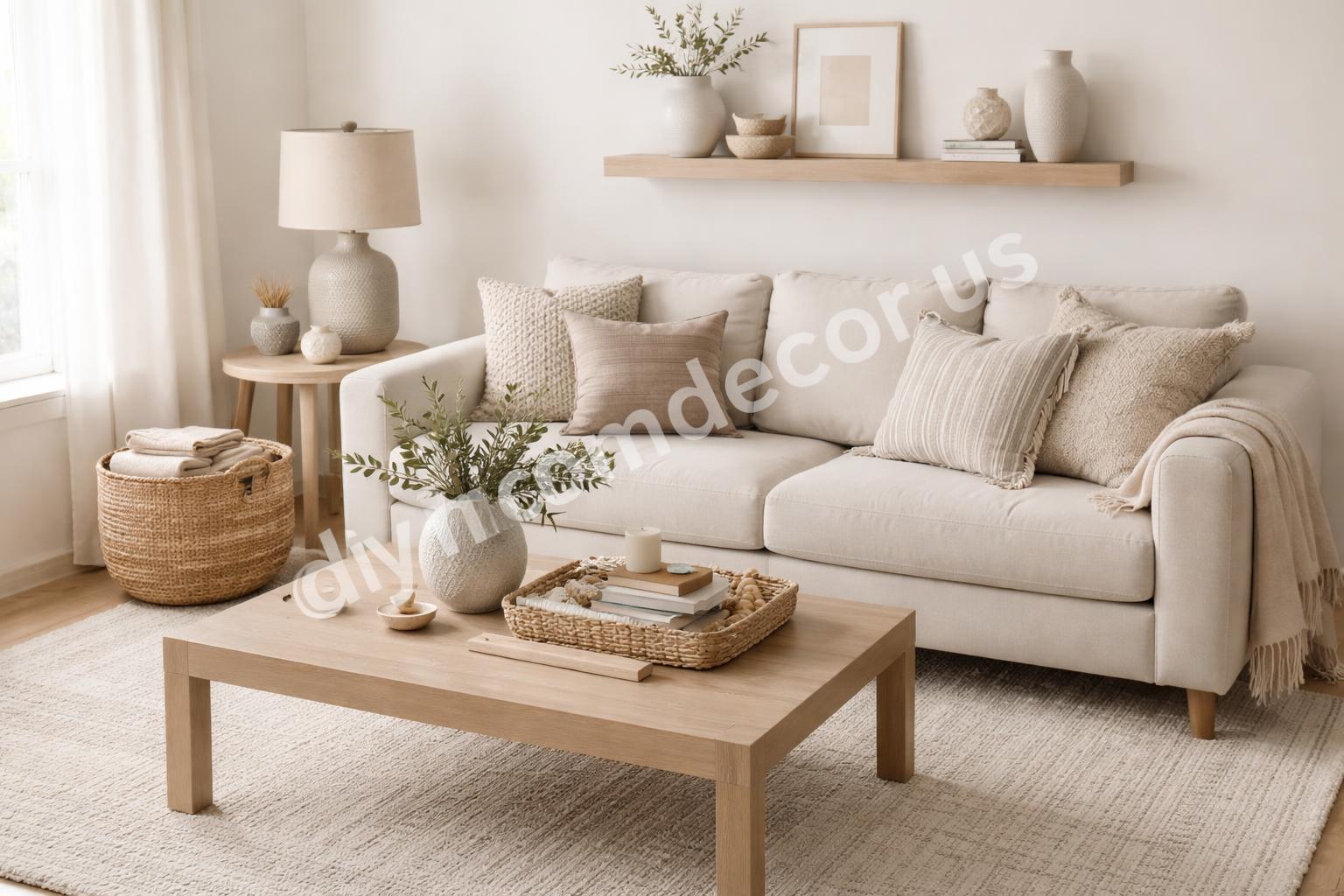
A common mistake is spreading decor evenly around the room. That sounds balanced, but it often looks dull. It’s better to group items in small clusters and leave some areas open.
Don’t forget the walls and windows
Neutral decor isn’t just furniture and accessories. Walls and windows do a lot of work too.
Cream curtains can soften a room that feels too sharp. Wood blinds add warmth. Even the frame color on your art changes the mood. Thin black frames lean modern. Light oak frames feel softer and more casual.
If your walls are plain, one oversized art piece usually works better than several tiny ones. Small frames tend to disappear in a neutral room unless they’re grouped carefully.
Quick wall and window tips
- Use curtains that hang high to make the room feel taller
- Pick one frame finish and repeat it
- Keep art colors quiet if the room already has strong texture
- Let natural light stay part of the design
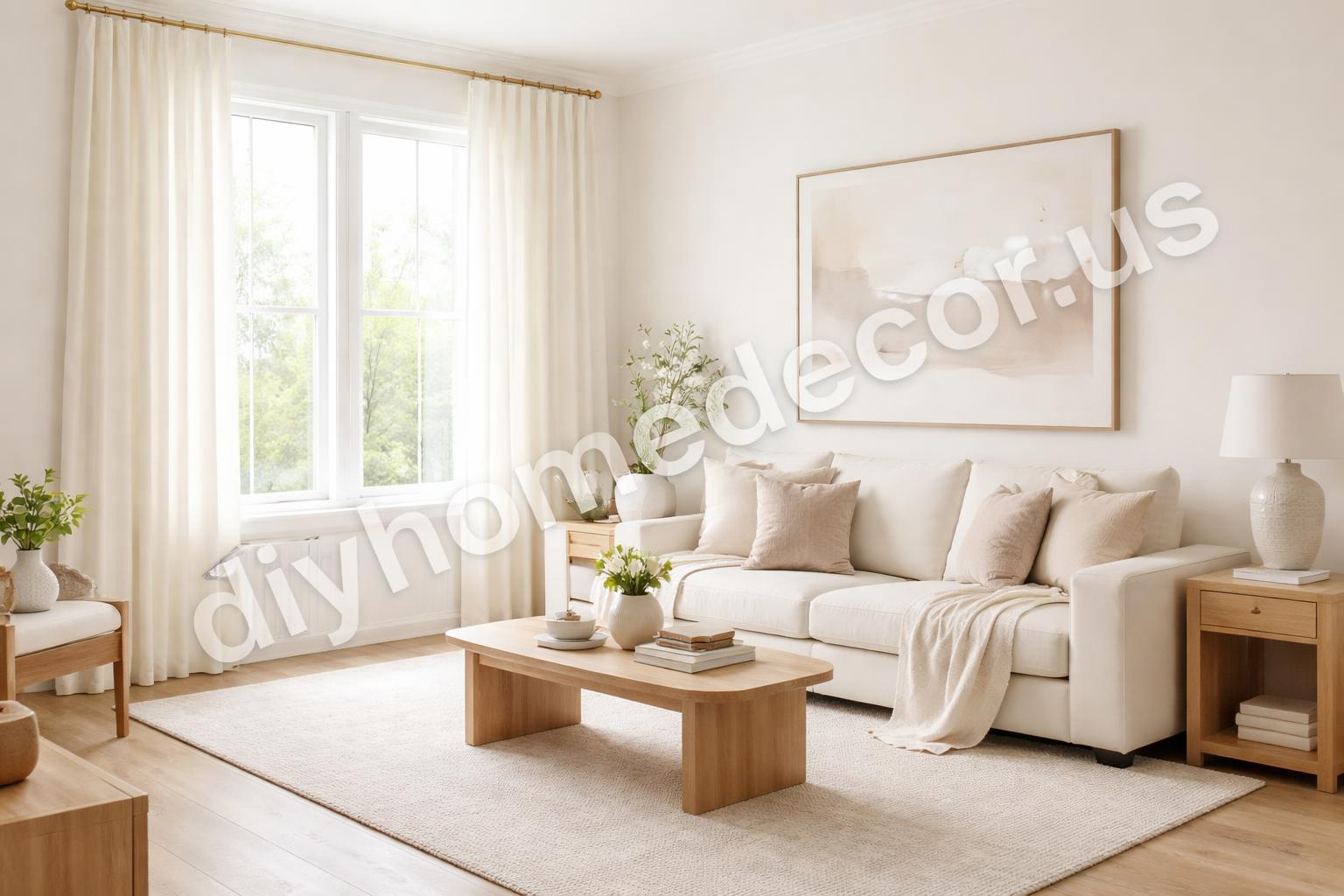
Quick styling fixes when the room feels too plain
Sometimes a neutral room looks almost right, but still feels off. That usually means it needs one small correction, not a full redo.
Here are the fixes I reach for first:
- Add a darker object to ground the room
- Swap one smooth item for something textured
- Use a larger rug if the seating area feels disconnected
- Remove one decor piece if the shelf feels crowded
- Add a plant or branch if the room lacks life
That last one helps more than people expect. A simple plant breaks up all the soft surfaces and makes the space feel less staged.
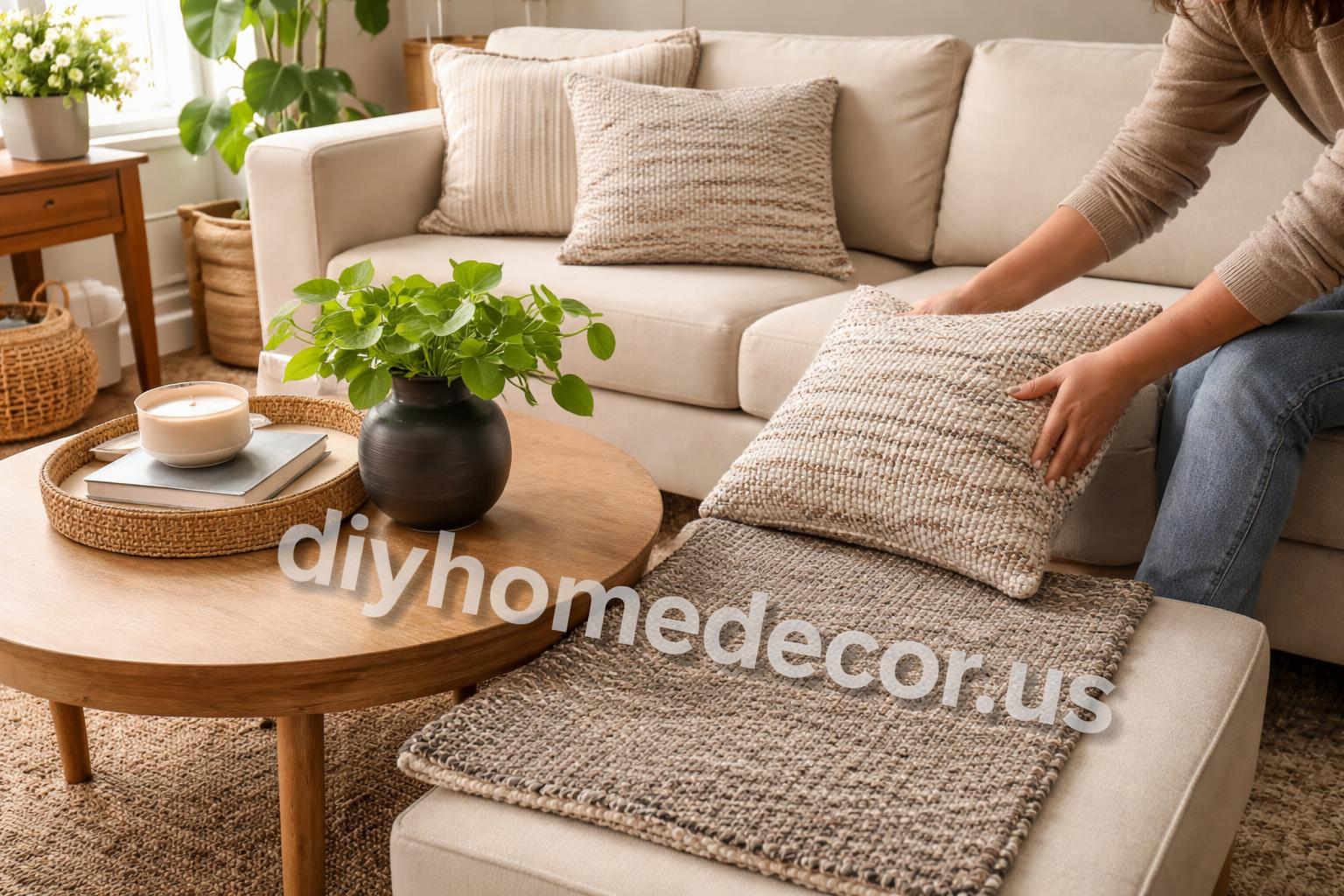
A tiny warning
Don’t mix too many “almost neutral” shades that fight each other. A cool gray rug with warm beige walls can work, but only if there’s something else tying them together. Otherwise the room feels slightly off, and you can’t always tell why.
A few neutral decor pieces worth keeping in rotation
Not every neutral room needs the same objects, but some types of decor are very reliable.
Good options include:
– ceramic vases
– sculptural bowls
– framed black-and-white art
– woven baskets
– linen pillows
– stone or wood accents
– simple candle holders
– one well-chosen animal statue
The key is choosing pieces that feel quiet but not boring. That sounds easy until you’re standing in a store or scrolling online, trying to decide between twenty nearly identical items.
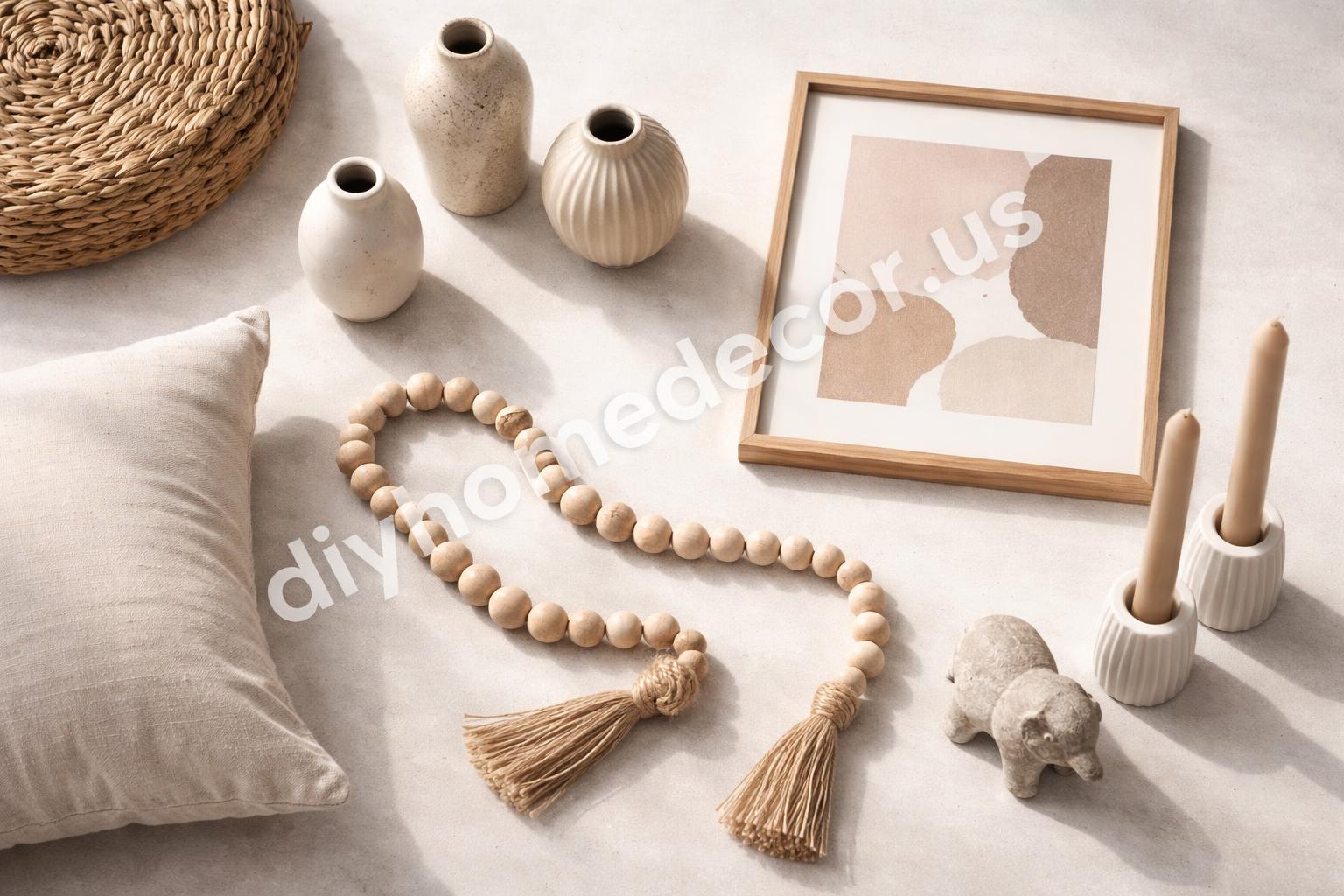
I usually ask one question before buying anything for a neutral room: does this add shape, texture, or warmth? If the answer is no, I skip it.
A simple way to style the whole room
If you want a fast starting point, use this order:
- Choose your main neutral base.
- Add one wood tone.
- Add one dark accent.
- Mix in two or three textures.
- Finish with one personal object.
That last step matters. Neutral decor gets better when it reflects the people who live there. A framed trip photo, a favorite book, or a small statue can keep the room from feeling too generic.
What usually makes the biggest difference
If your room feels unfinished, check these first:
- the rug is too small
- the sofa is too close in color to the walls
- there’s no contrast
- every surface is shiny
- the room has decor, but no texture
Fix one or two of those, and the whole room usually improves fast.
Conclusion
Neutral living room decor works best when it feels layered, not careful. That’s the part people miss when they only focus on color.
A calm room still needs texture, contrast, and one or two pieces with personality. Once those are in place, the space stops feeling blank and starts feeling like home. And honestly, that’s usually the sweet spot.
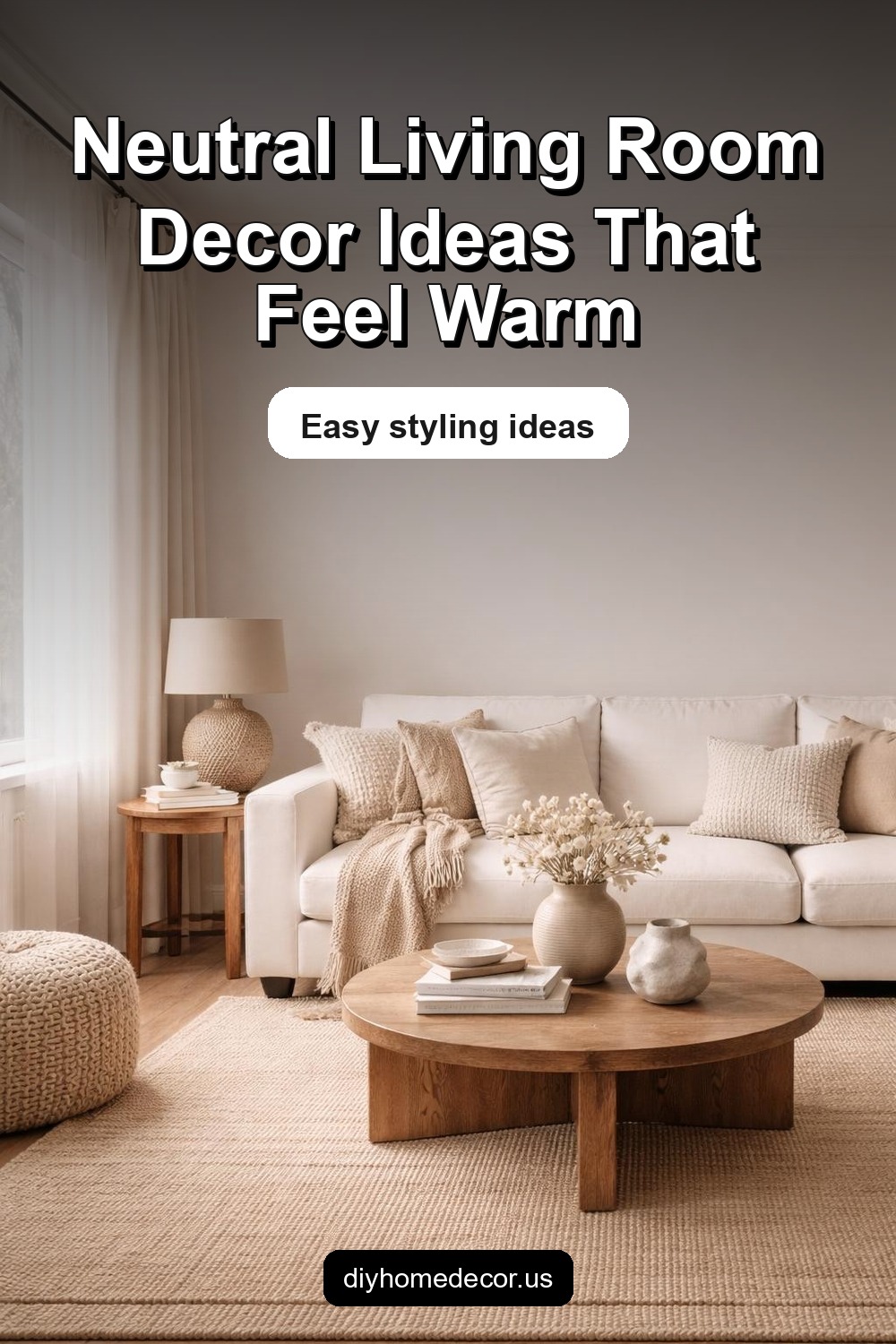
Save This Guide on Pinterest
Save this image to Pinterest so you can easily return to this guide later.