A dark yard usually ends up feeling unused. People stop sitting outside, the path gets awkward, and the electric bill climbs fast if you rely on old bulbs or too many fixtures.
The good news is that LED garden lighting décor can fix both problems at once. It gives you a warmer, easier outdoor space while using less power, and if you choose the right style, you don’t have to spend a fortune just to make the yard look finished.
In this article, I’ll walk through the kinds of LED garden lighting that make the biggest difference, where solar fits in, and how to avoid the little mistakes that waste money. I’ll also point out a few simple buying habits that matter more than most people think.
Start with the kind of light your garden actually needs
A lot of people buy lights based on looks first. That usually works for a week, then they realize the patio is bright but the steps are still hard to see.
That’s why it helps to split garden lighting into jobs. Some lights are for mood, some are for safety, and some are just there to make the whole area feel intentional.
Warm white is the easiest place to begin
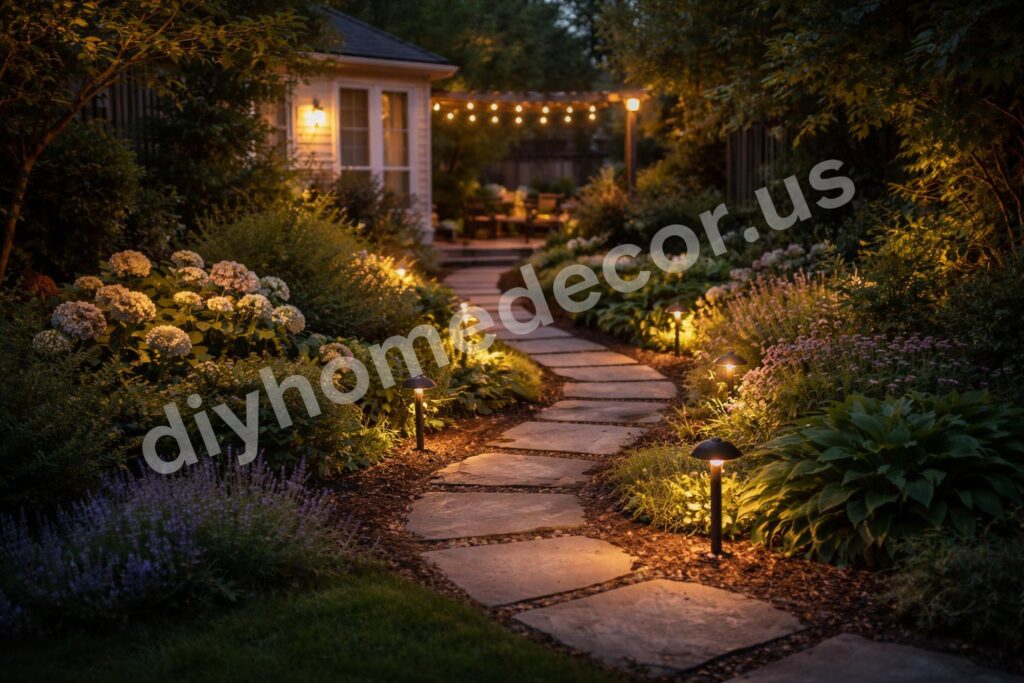
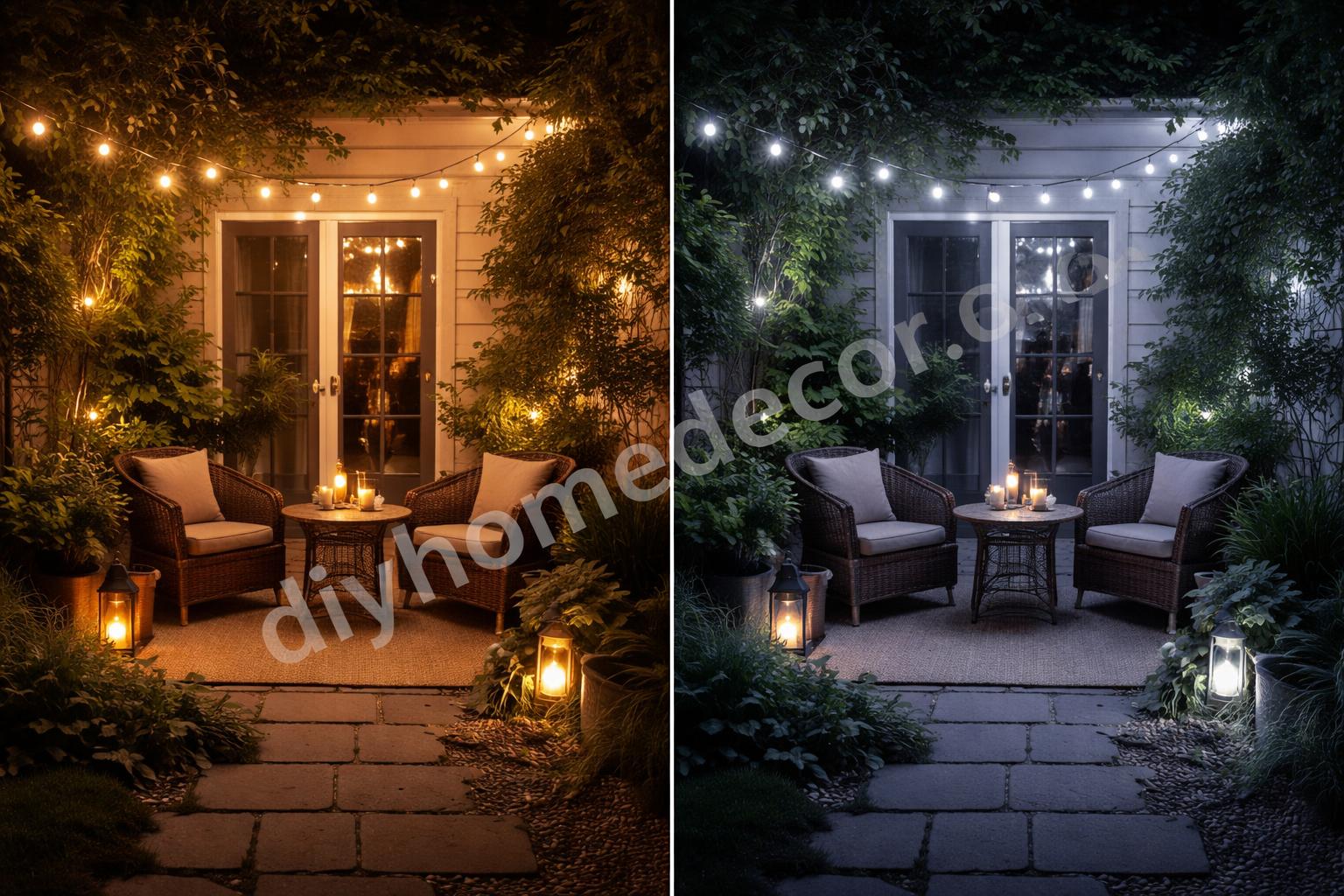
If you want your garden to feel cozy instead of harsh, warm white LED lighting is usually the safest bet. It softens stone, wood, and plants in a way cool white often doesn’t.
If you want a deeper look at that style, best warm white garden lighting décor for cozy outdoor spaces is a helpful place to see how the tone changes the whole mood.
One thing I’ve noticed is that warm white hides small outdoor imperfections better. Faded furniture, uneven pavers, and older planters all look a little friendlier under it.
Solar LED décor is still the best low-effort money saver
Solar lights get a bad reputation because some cheap ones barely last through a season. That’s fair. But good solar LED garden décor can cut energy use to almost nothing and still give you a nice nighttime glow.
The trick is not to buy them for every job. Use solar where the light can charge properly, and skip it where you need strong, dependable brightness.
Where solar makes the most sense
Solar works best in spots like these:
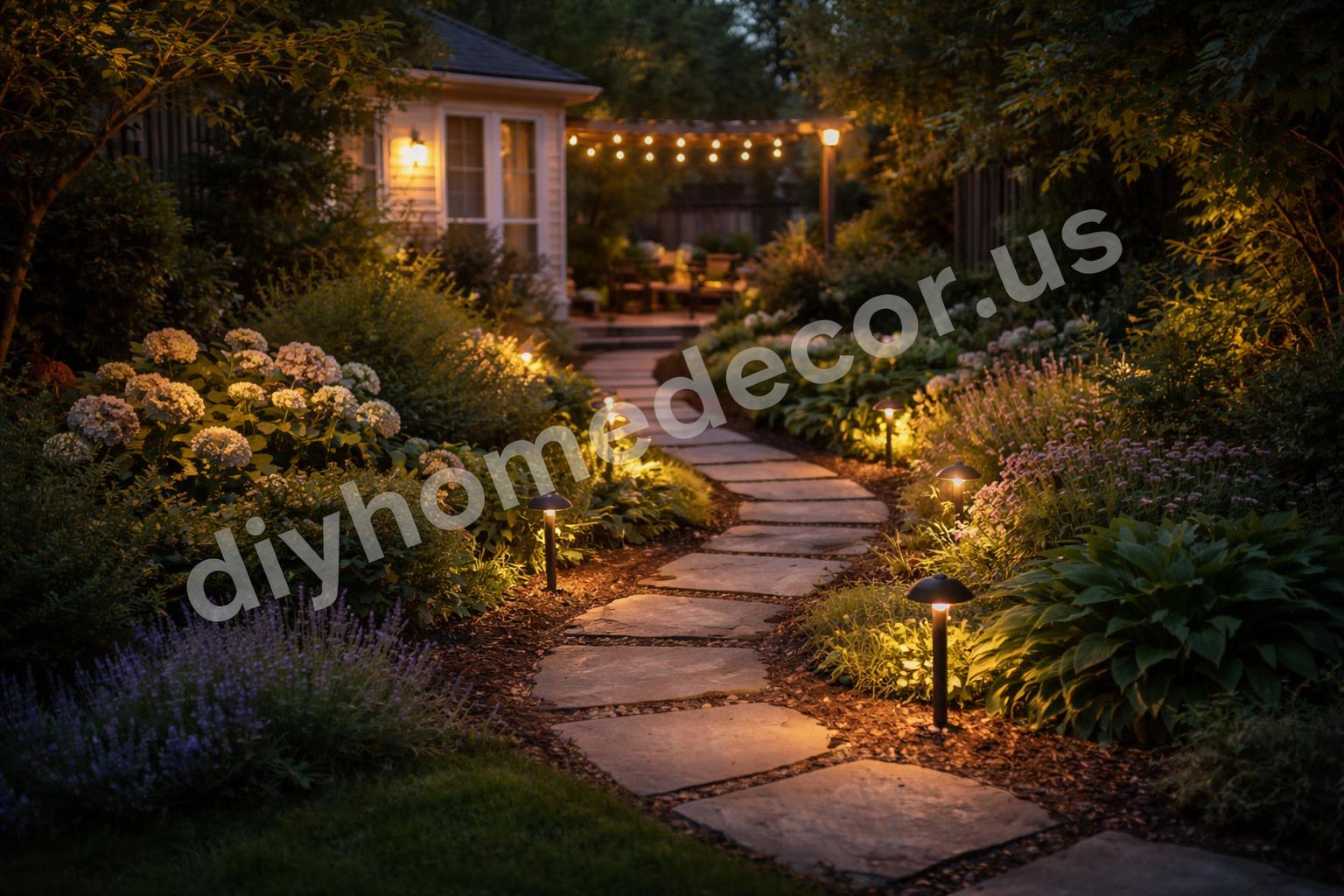
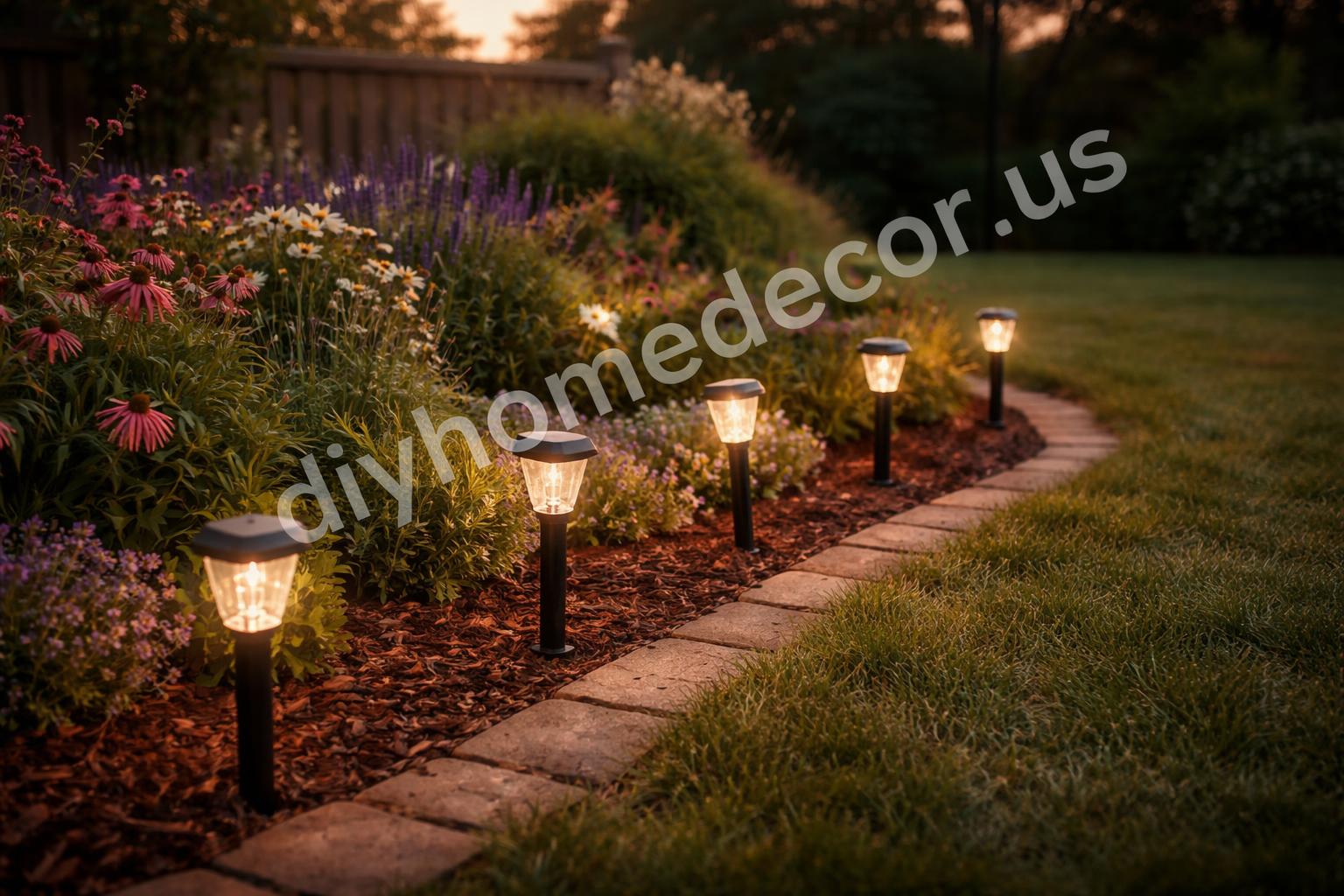
- along a sunny pathway
- around flower beds
- near fences with good daylight
- in decorative corners that don’t need strong output
- on posts, stakes, and accent pieces
The backyard glow ideas in 17 solar garden lighting décor ideas that make your backyard glow are a solid reminder that solar is often about layering, not blasting light everywhere.
The big win with solar is convenience. You install it once, then stop thinking about it unless the panel gets dirty or the batteries age out.
What to watch for
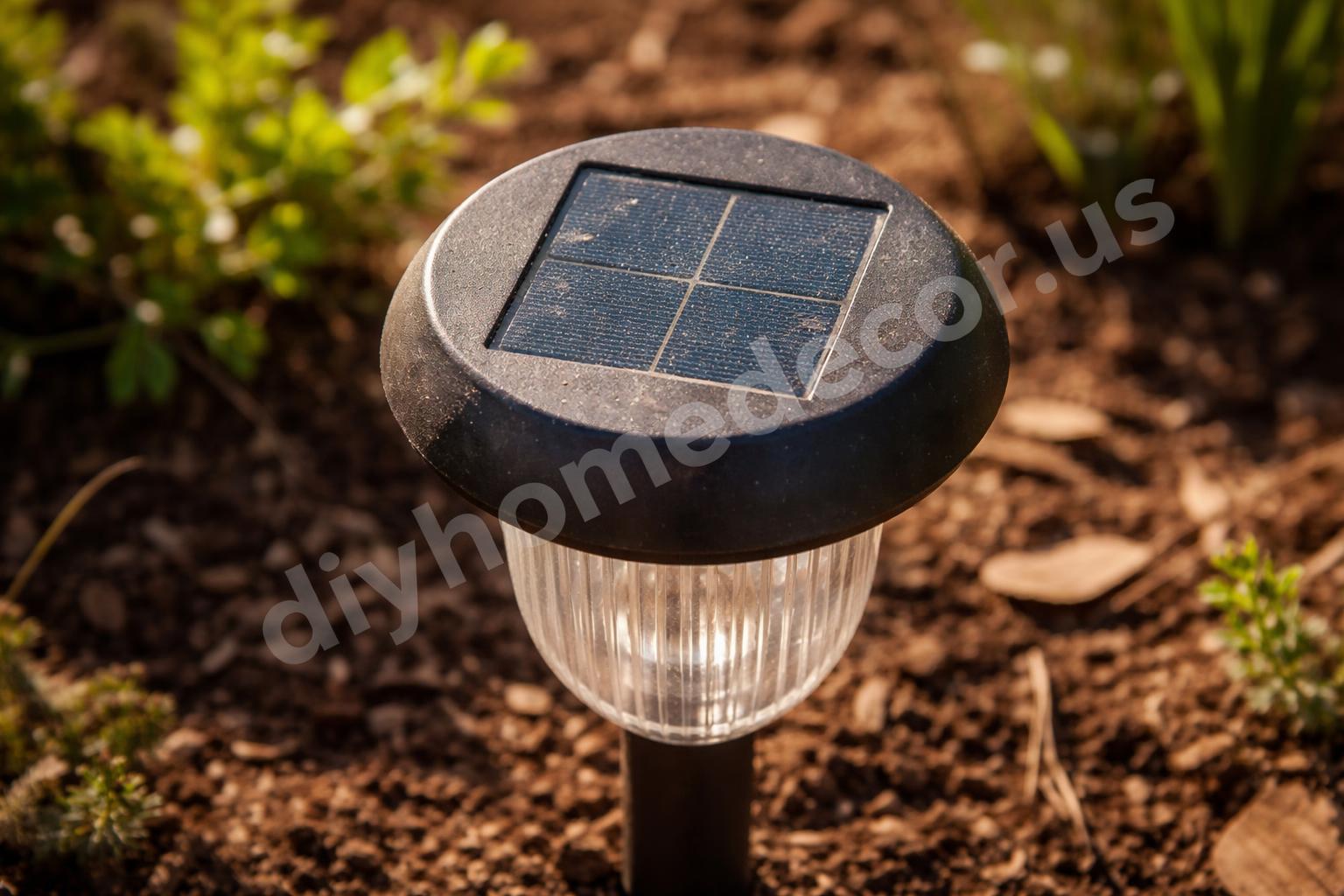
A lot of solar lights look great in the box and weak in real life. That usually happens when the panel is tiny, the battery is cheap, or the light is too decorative to be useful.
So when you compare options, look at:
- panel size and placement
- whether the battery is replaceable
- how many hours of light are realistically claimed
- weather resistance
- whether the light stays on steady or fades too quickly
Surprisingly, a slightly less decorative solar light often looks better outdoors once it’s installed. It’s not trying so hard, and that usually means the glow feels calmer.
LED garden décor that saves the most energy
Not all outdoor LED lighting saves money in the same way. Some pieces are cheap to run, but they don’t replace much else. Others cost a bit more up front and end up doing the work of several older lights.
Here’s the short version.
| Type of LED décor | Best use | Why it saves money |
|---|---|---|
| Solar stake lights | Paths, beds, borders | No electricity use |
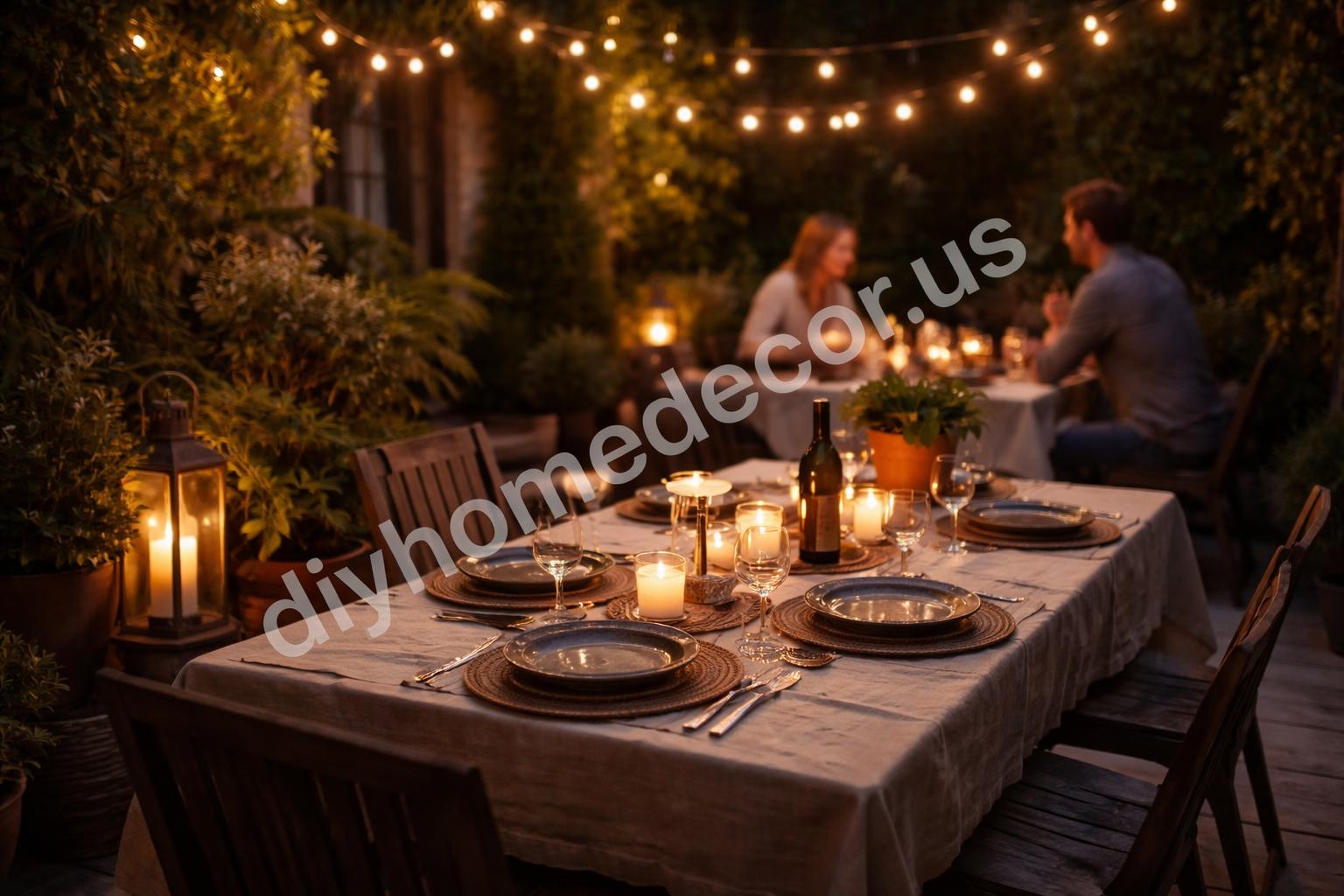
| LED string lights | Patios, pergolas, fences | Low wattage, strong ambiance |
| Motion-sensor path lights | Entry areas, side yards | Light only when needed |
| Lantern-style LED décor | Tables, porches, corners | Decorative without high draw |
| LED spot accents | Trees, shrubs, focal points | One light can highlight a lot |
The better savings usually come from using fewer fixtures more intelligently. That’s the part people miss when they focus only on the bulb.
Motion sensors are underrated
I know motion-sensor lighting doesn’t sound glamorous. But for side yards, gates, and driveways, it’s hard to beat.
It reduces wasted run time, and it also gives you a nice sense of security without leaving the lights on all night. If you’ve ever forgotten an outdoor light on until morning, you already know why this matters.
Dimmers help more than people expect
If a light can dim, that gives you more control over mood and power use. Full brightness is not always needed outside. A softer setting often feels better once the sun is down.
That’s especially true near seating areas. Bright white light there can feel more like a parking lot than a garden.
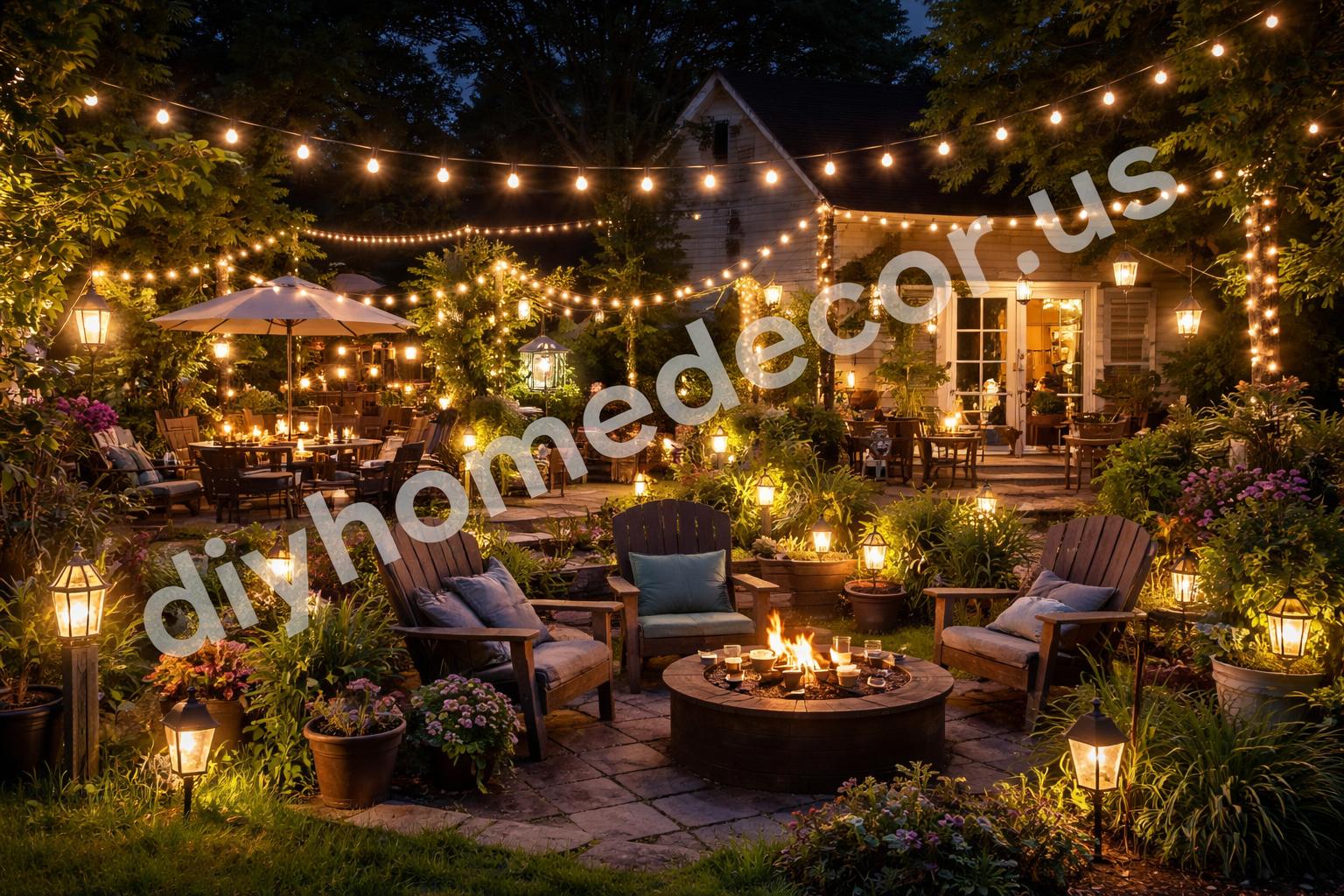
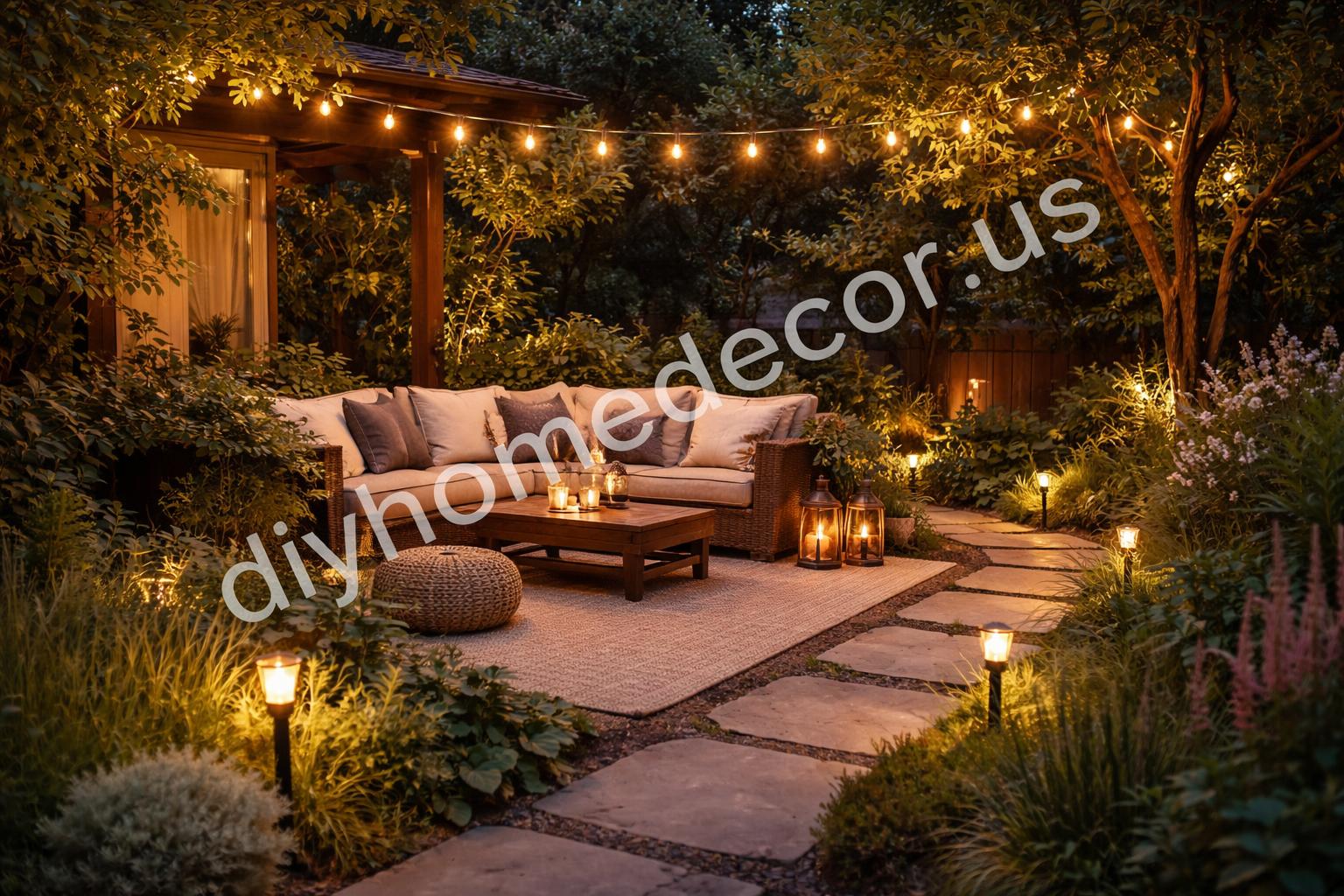
The best-looking LED décor usually layers light
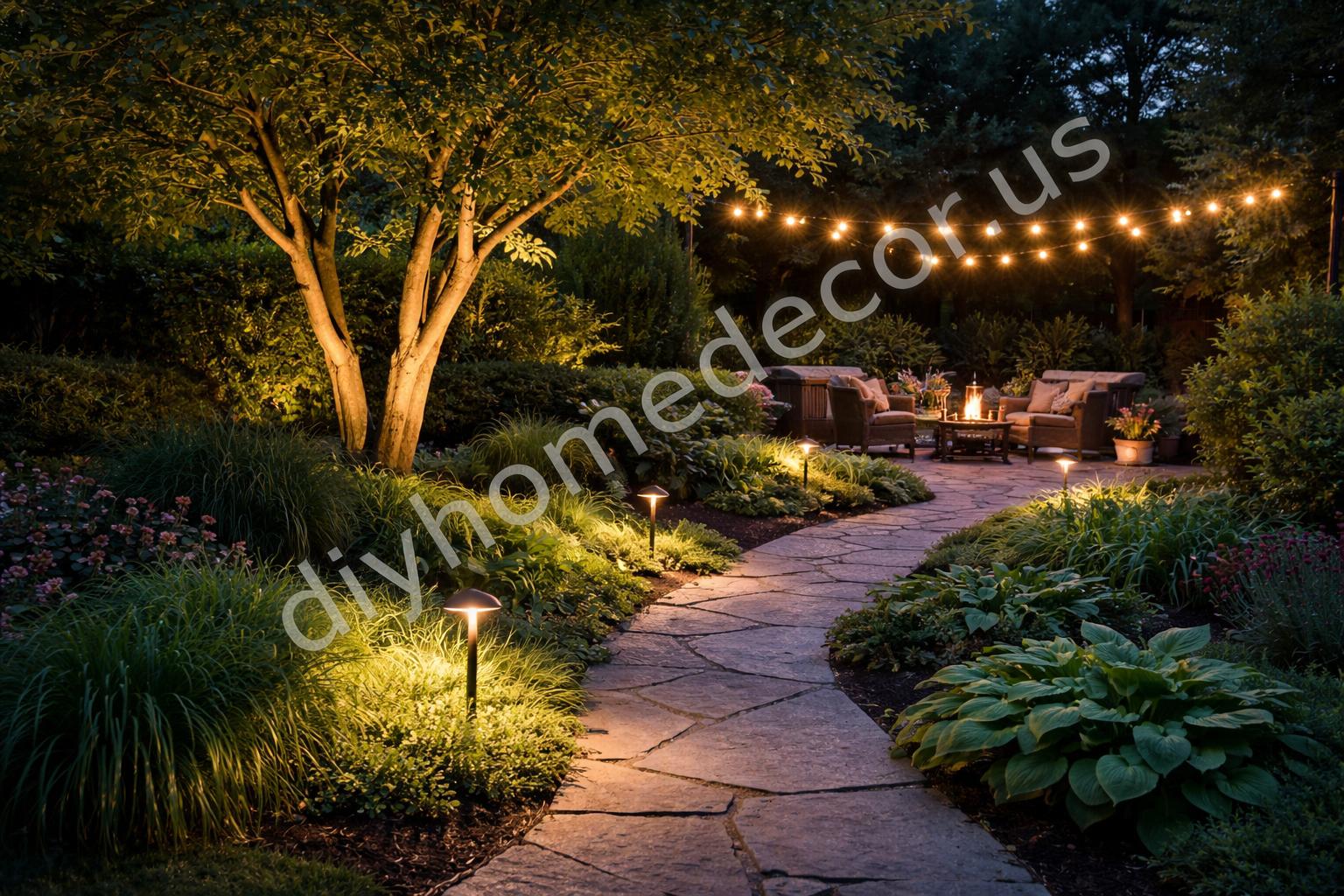
A lot of outdoor spaces look flat because they use just one type of lighting. One row of path lights or one string across the fence won’t usually do enough.
Instead, think in layers.
1. Base light
This is your practical layer. It helps people move around safely.
Examples:
– path stakes
– step lights
– wall-mounted LEDs
– motion lights near entries
2. Accent light
This is what makes the garden feel designed.
Examples:
– uplights on trees
– small lanterns
– glow orbs
– hanging LED décor
– solar ornaments
3. Mood light
This is the soft layer that makes people want to stay outside.
Examples:
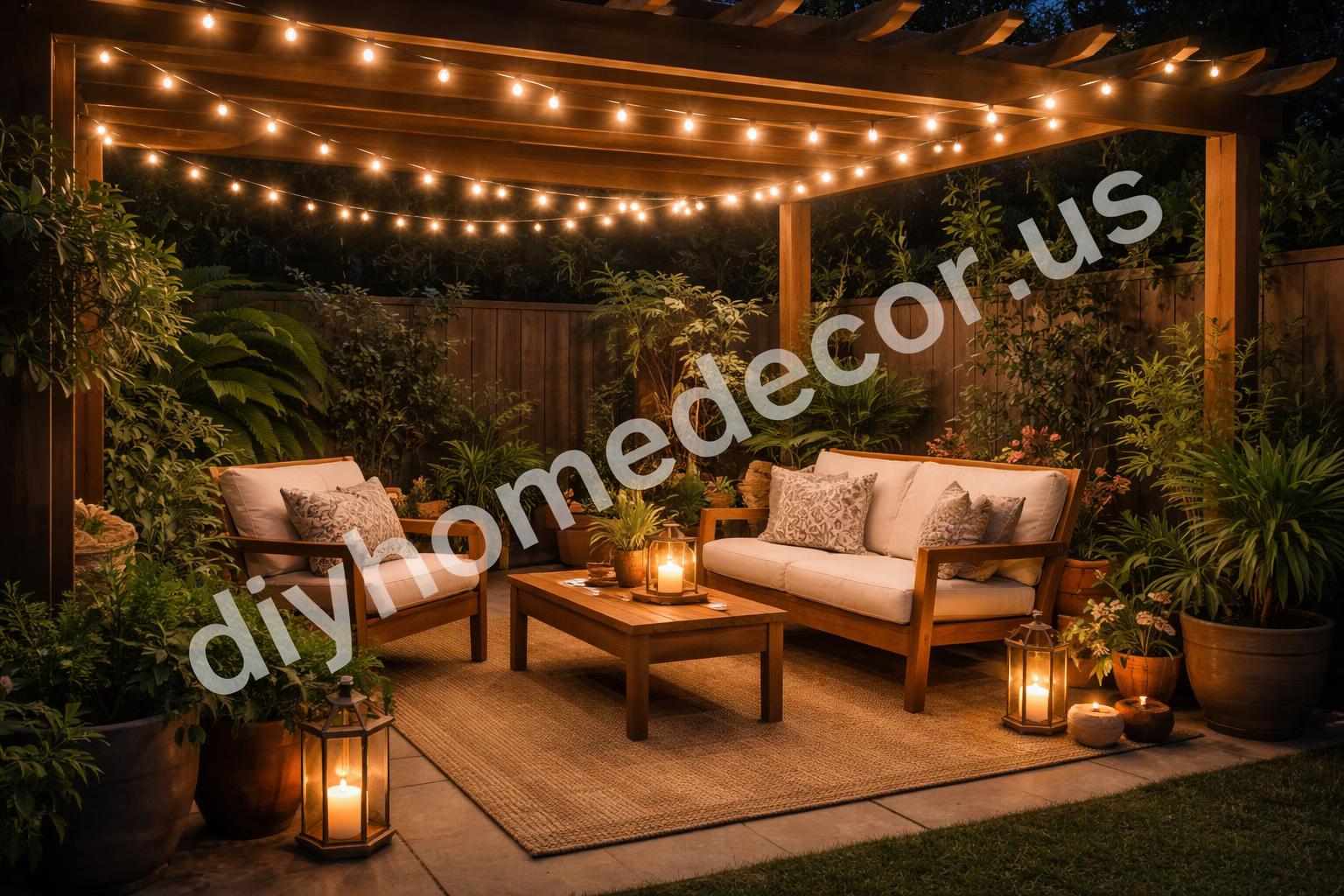
– warm string lights
– lantern clusters
– candle-style LEDs
– low-intensity decorative stakes
The mistake I see most often is overlighting the whole yard. Once everything is equally bright, nothing stands out and the garden loses depth.
How to save money when you buy LED garden décor
Price matters, but the cheapest option is not always the cheapest over time. I’d rather compare a few practical details than get stuck replacing weak lights every year.
Here’s the order I’d use:
- Check power source first. Solar, plug-in, or battery all change the long-term cost.
- Look at the light output. A prettier fixture doesn’t help if it barely lights anything.
- Compare size and coverage. One larger fixture can be cheaper than several tiny ones.
- Check weather rating. A light that fails after one season is expensive, no matter the sticker price.
- Read seller trust carefully. With outdoor décor, quality control matters a lot.
The final checkout price also matters more than the listed one. Shipping can change the math fast, especially with heavier lanterns, bigger solar sets, or multi-pack items.
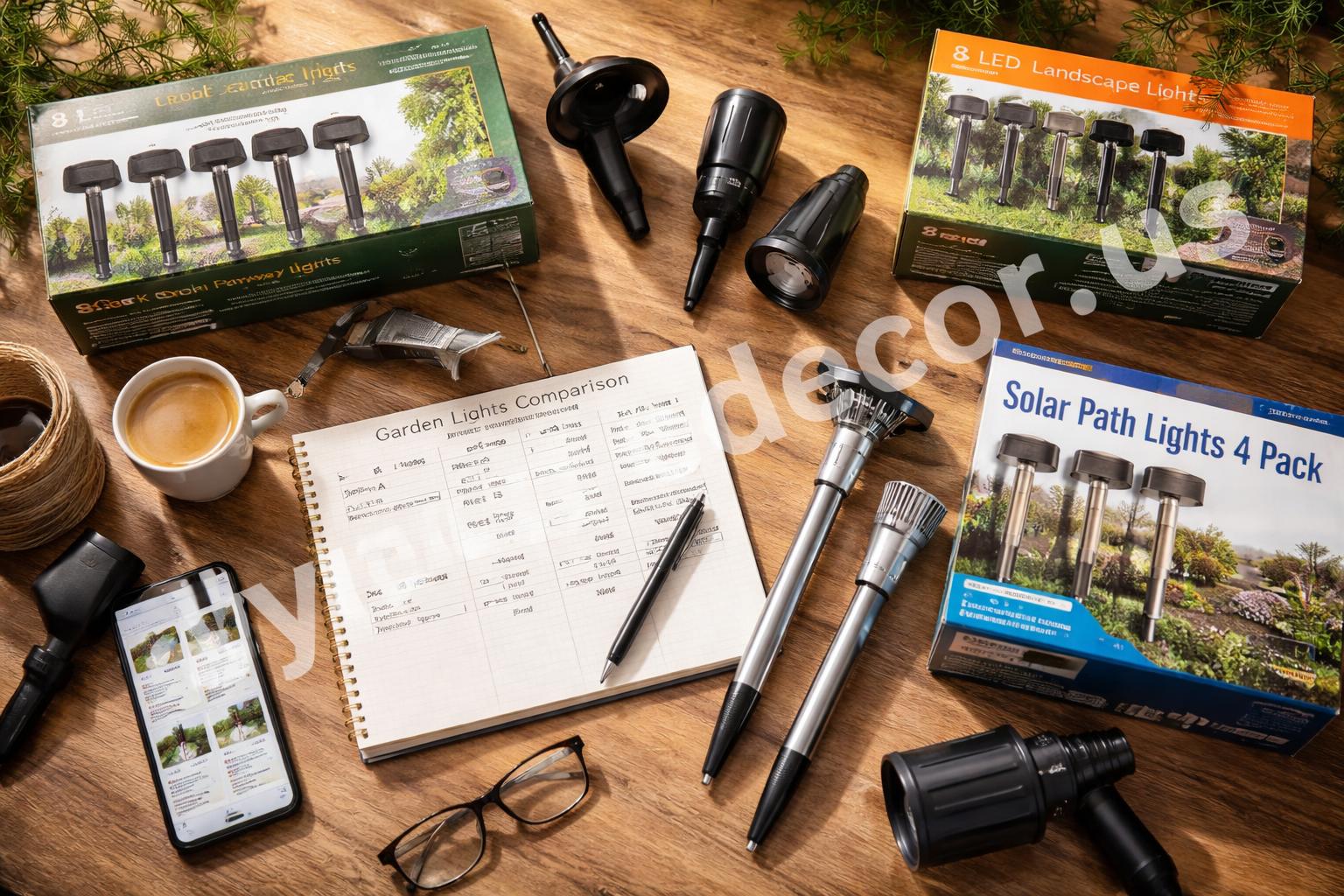
I learned this the annoying way with decorative lights that looked like a bargain until shipping made them feel overpriced. That’s usually the point where buying one good set makes more sense than collecting three weak ones.
Warm white, cool white, and color-changing: which one actually works?
This part is mostly about mood, not just taste.
Warm white feels natural in gardens because it matches the softer look of wood, plants, and stone. It’s usually the safest choice if you want the yard to feel calm at night.
Cool white can work for security or modern spaces, but it can also make outdoor seating feel a little stark. Color-changing lights are fun for events, but they can get cheesy fast if you use them every night.
A simple rule
Use warm white for:
– patios
– garden beds
– lanterns
– pergolas
– quiet sitting areas
Use cool white for:
– driveways
– utility zones
– side entrances
– places where visibility matters more than atmosphere
Use color-changing only if:
– you really want seasonal fun
– you’re lighting for parties
– the rest of the garden is already simple
That keeps the setup from feeling random.
Small outdoor spaces benefit most from restraint
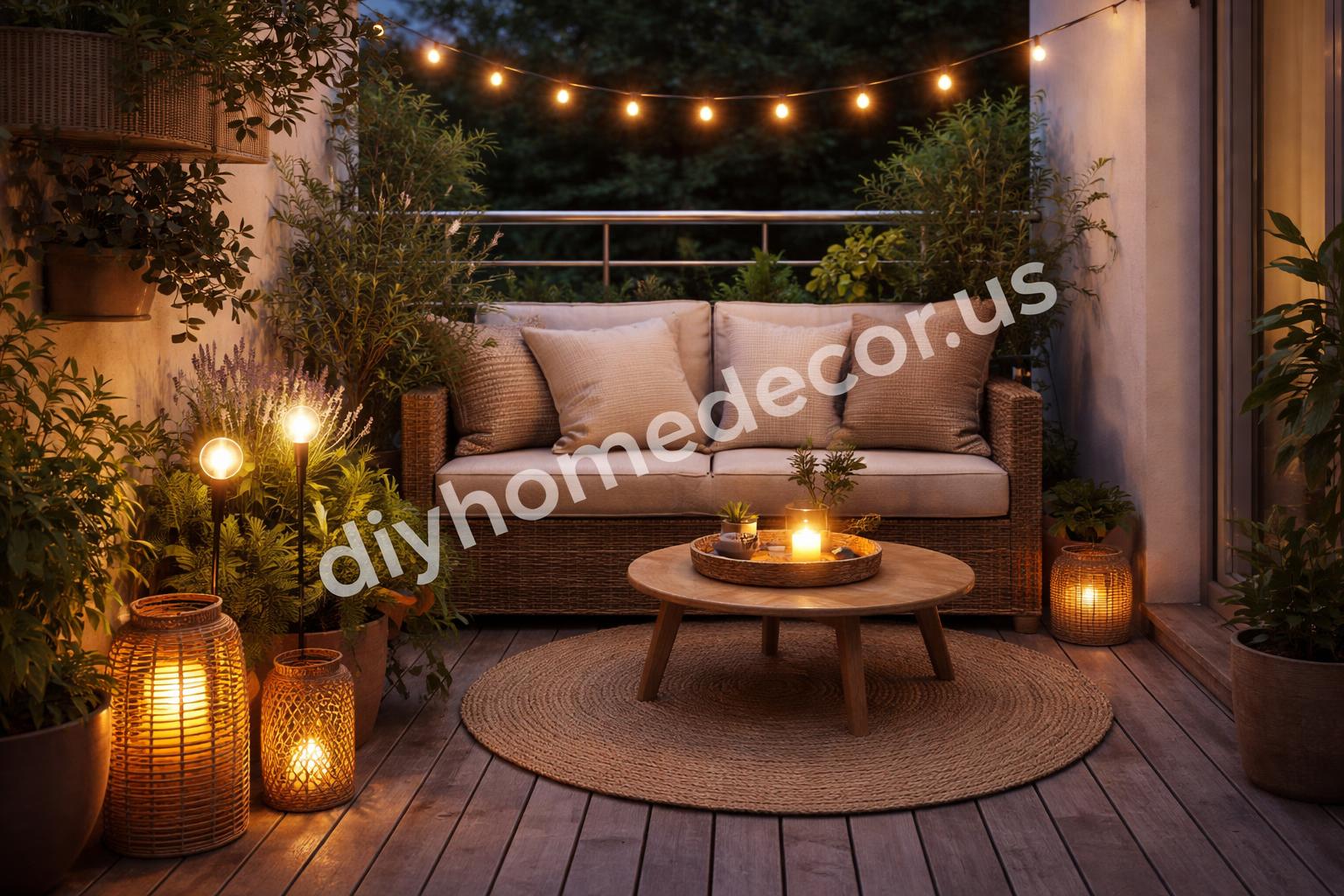
Tiny yards, balconies, and narrow patios can look crowded fast. Too many lights make them feel busier than they are.
That’s why a few well-placed LED pieces usually beat a big mixed collection.
A small space often only needs:
– one string light line
– a pair of lanterns
– a few solar stakes
– one accent uplight
– maybe a step light or two
The bedroom decorating ideas in smart decorating hacks that save money and space actually translate well here. The same idea applies outdoors: use pieces that do double duty instead of cluttering the scene.
Less stuff usually looks more expensive. That’s true inside and outside.
Common mistakes that waste energy and money
These are the little things that turn a smart buy into a headache.
Buying lights without checking charge time
If you’re using solar, charge time matters a lot. A light that needs more sun than your yard can give it won’t perform well, no matter how nice it looks.
Mixing too many light colors
A yard with warm white, cool white, blue, and purple all at once usually feels messy. It’s better to choose one main tone and stick to it.
Ignoring placement
A good light in the wrong place is still a bad result. Put path lights where people actually walk, not where they just look pretty in daylight.
Forgetting about upkeep
Solar panels need occasional cleaning. LED cords need a quick look after storms. And decorative lanterns sometimes shift in wind more than you’d expect.
That small amount of maintenance is usually what separates a neat setup from a tired one.
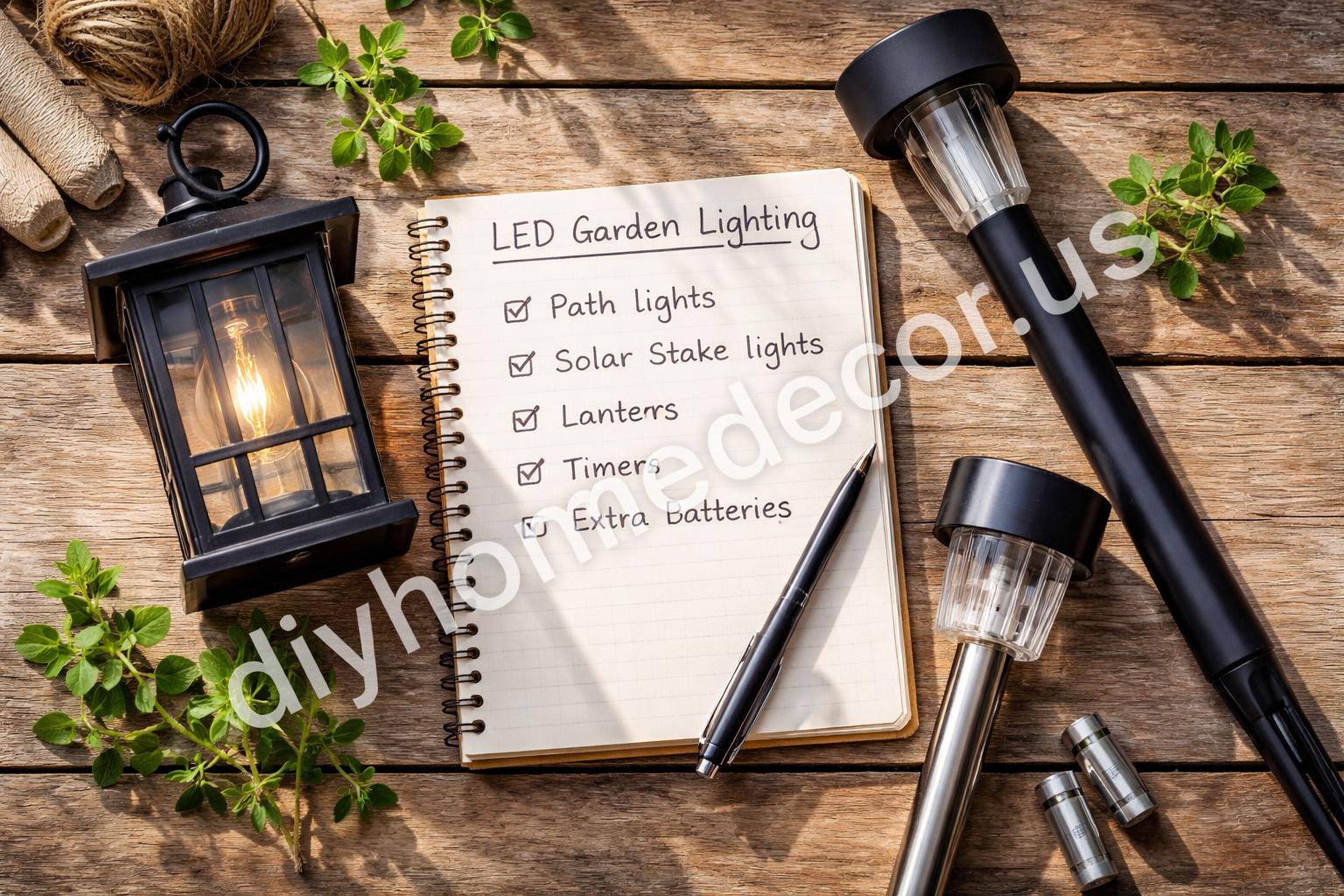
A simple buying checklist before you click order
You don’t need to overthink this. But a quick check saves a lot of regret.
Before buying, ask:
- Will this light get enough sun or power where I plan to place it?
- Is it meant for decoration, safety, or both?
- Does the color fit the rest of my yard?
- Is the size right for the space?
- Will I still like it in winter, when plants are bare?
If you can answer those five questions, you’re already ahead of most impulse buyers.
The best LED garden décor is the one you’ll still enjoy after the novelty fades.
Final thoughts
The best LED garden lighting décor doesn’t just make a yard prettier. It makes the space easier to use, cheaper to run, and more welcoming at night.
I’d start with warm white or solar where it makes sense, then add one or two layers instead of trying to light everything at once. That usually gives you the nicest result for the least money, and honestly, it’s the easiest way to avoid ending up with a yard full of lights you don’t really need.
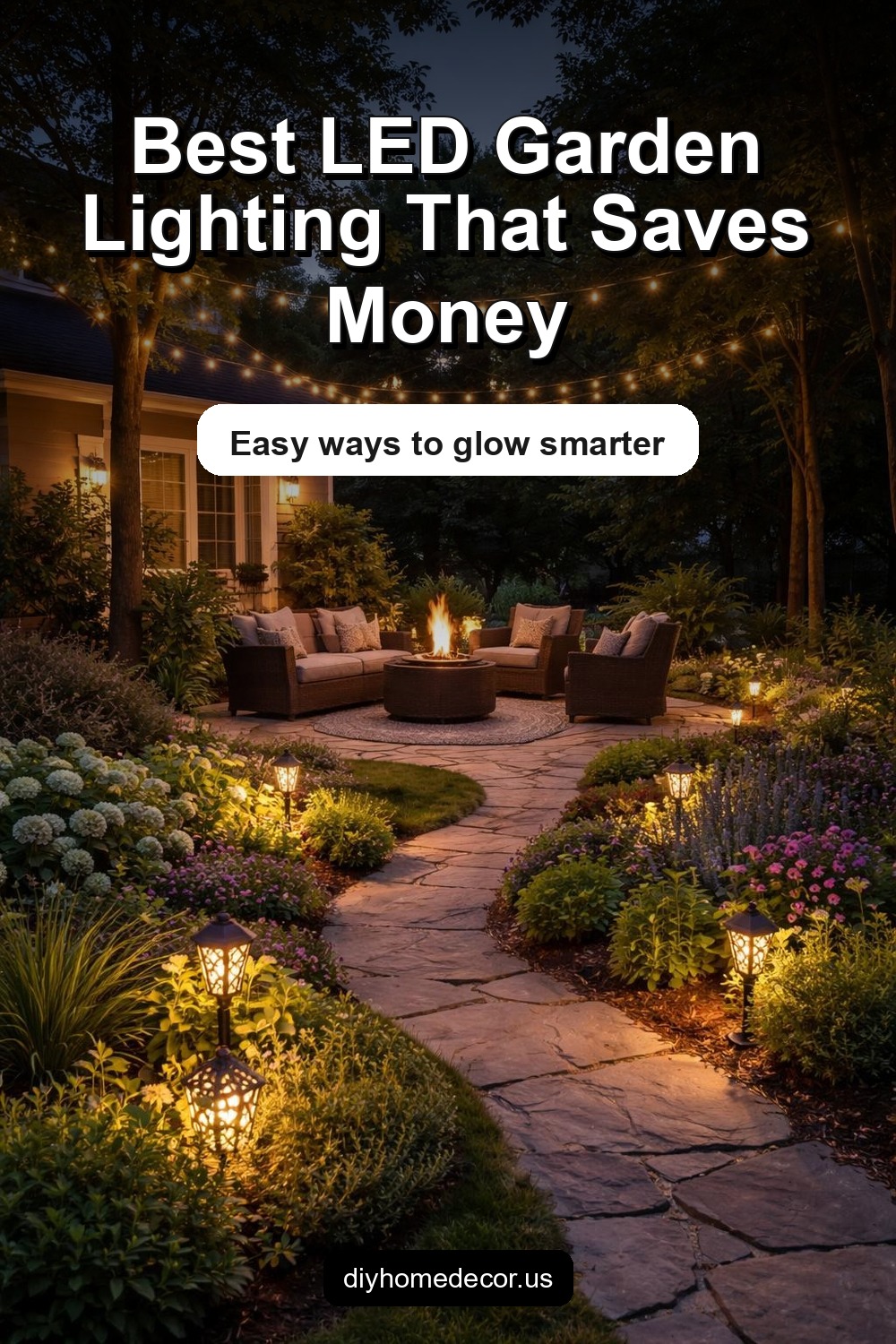
Save This Guide on Pinterest
Save this image to Pinterest so you can easily return to this guide later.